
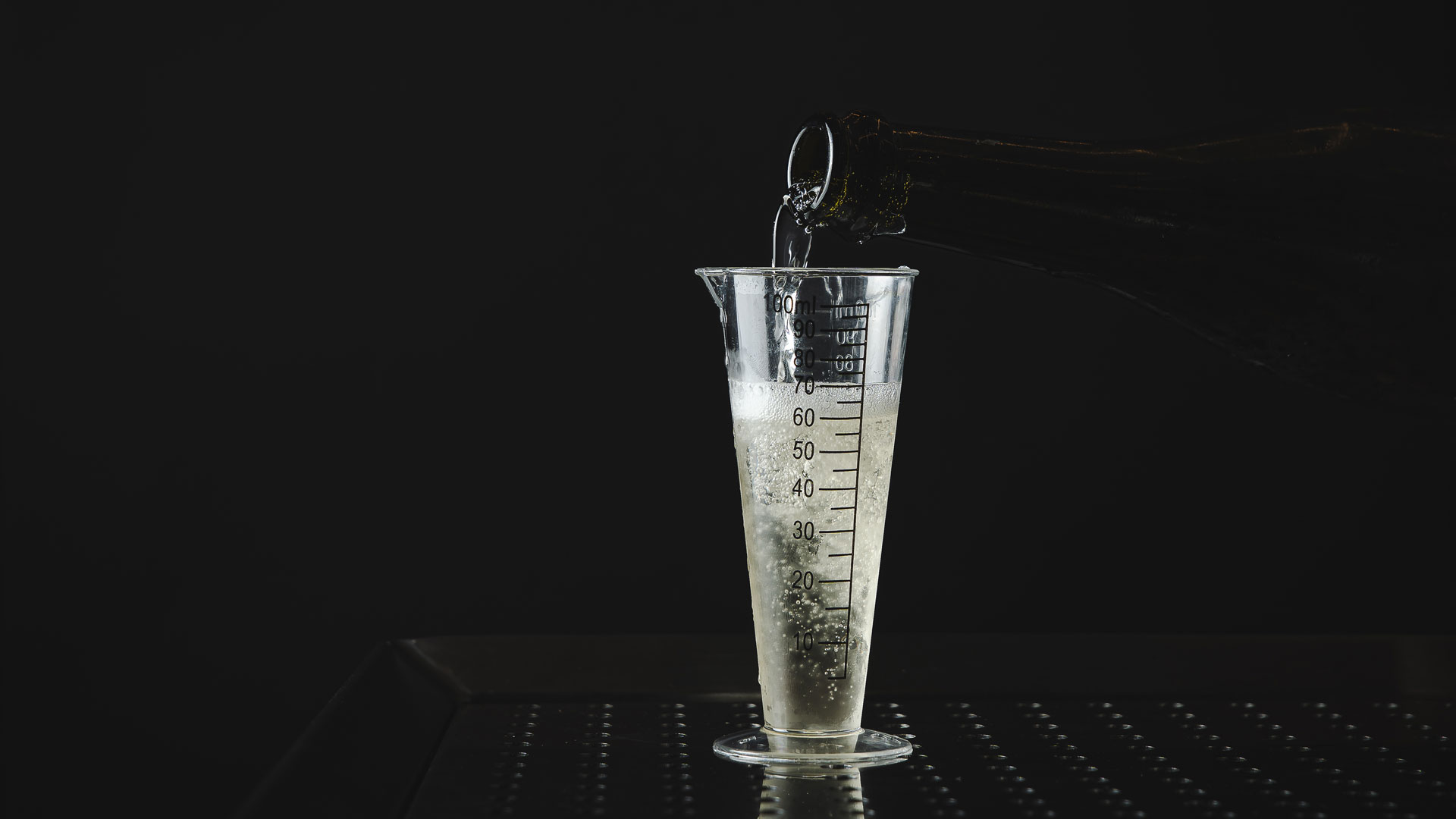
Zero grams — or close to it — of sugar added after disgorgement. That is where Pas Dosé begins. The Champagne remains exactly what it became in bottle, untouched by any liqueur d’expédition meant to soften or adjust its profile. First-time tasters often describe it as “extreme.” Those who know better recognize it as a mark of excellence. Pas Dosé is, in effect, a technical statement — one that raises the bar. The final result depends entirely on the base wine, shaped in the vineyard and defined well before the second fermentation begins. It is a choice rooted in precision, reflecting a broader shift in sensibility across the sparkling wine market.
The Champagne Industry and the Rise of Pas Dosé
The Comité Champagne, the official interprofessional institution representing growers and houses, makes the broader context clear. While total Champagne shipments have declined from 326 million bottles in 2022 to 266 million in 2025 — falling below 2019 levels, with an overall drop of roughly 60 million bottles in three years — attention to dosage has intensified. Within this contraction lies a telling shift: less sugar in the glass, greater precision on the palate.
Pas Dosé, What Is It?
So what exactly is Pas Dosé? Under European regulations, it refers to a traditional- method sparkling wine with less than 3 grams per liter of residual sugar and no added liqueur d’expédition after disgorgement. Whether labeled Pas Dosé, Nature, Zero Dosage or Brut Nature, the technical decision is the same. After secondary fermentation and lees aging, the producer refrains from any sweetening adjustment.
The Vineyard and Lees Aging
This approach shifts the center of gravity squarely onto the quality of the base wine. Grapes harvested with intact acidity and full phenolic ripeness become essential, because any imbalance is immediately apparent at first sip. For this reason, many producers reserve specific parcels or their most prized selections for Pas Dosé bottlings, fully aware that the wine’s definition rests entirely on vineyard work and the management of lees aging. Without dosage, time on the lees becomes even more critical. In the most ambitious vintage cuvées, it can extend well beyond 36 months, integrating structure and aromatic complexity
The Aromatic Profile of Pas Dosé
In the glass, the profile is clean and sharply drawn. The color holds to bright straw hues; when aging surpasses three years, the mousse is fine and persistent. Aromas suggest citrus and crisp apple, sometimes almond and bread crust in more mature vintages. On the palate, the structure unfolds vertically, carried by a taut line of acidity that leads to a dry, often saline finish. Aromatic perception feels more precise, unmediated by any sweetness to cushion the impact.
Food Pairings for the Pas Dosé Champagne
At the table, its natural affinity lies with raw seafood, fish carpaccio, vegetable-driven dishes and fresh cheeses. Served between 46 and 50 degrees Fahrenheit in a generously shaped tulip glass, it reveals a fuller aromatic arc. In fine-dining restaurants and wine bars — where demand for Brut and Extra Brut styles is also rising — Pas Dosé increasingly appears as the opening statement on a list, articulating a house preference for clarity and site expression. A signature pour in which Champagne presents itself with nothing added and nothing concealed. Pure refinement.
The article first appeared on Coqtail – for fine drinkers. Order your copy here
Photo by Emanuel Florentin, location Percentolab Milano – all rights reserved