
Labels are inescapable. They live on bottles, of course, but they also attach themselves to venues, professionals and even the ways people choose to drink. In hospitality, a label is a way of defining identity. It helps guests understand the kind of experience they’re walking into, the language a venue speaks and, ultimately, the version of itself it wants to present to the world.
From Bartender to Hospitality Professional: the Impact of Labels
The cocktail bar, over the past decade, has evolved far beyond being simply a place to have a drink. It has become a cultural and social environment, one where every detail contributes to a broader narrative. A cocktail list signals a worldview. Design shapes the rhythm and tone of service. The way ingredients and producers are framed helps establish a venue’s place in an increasingly crowded market.
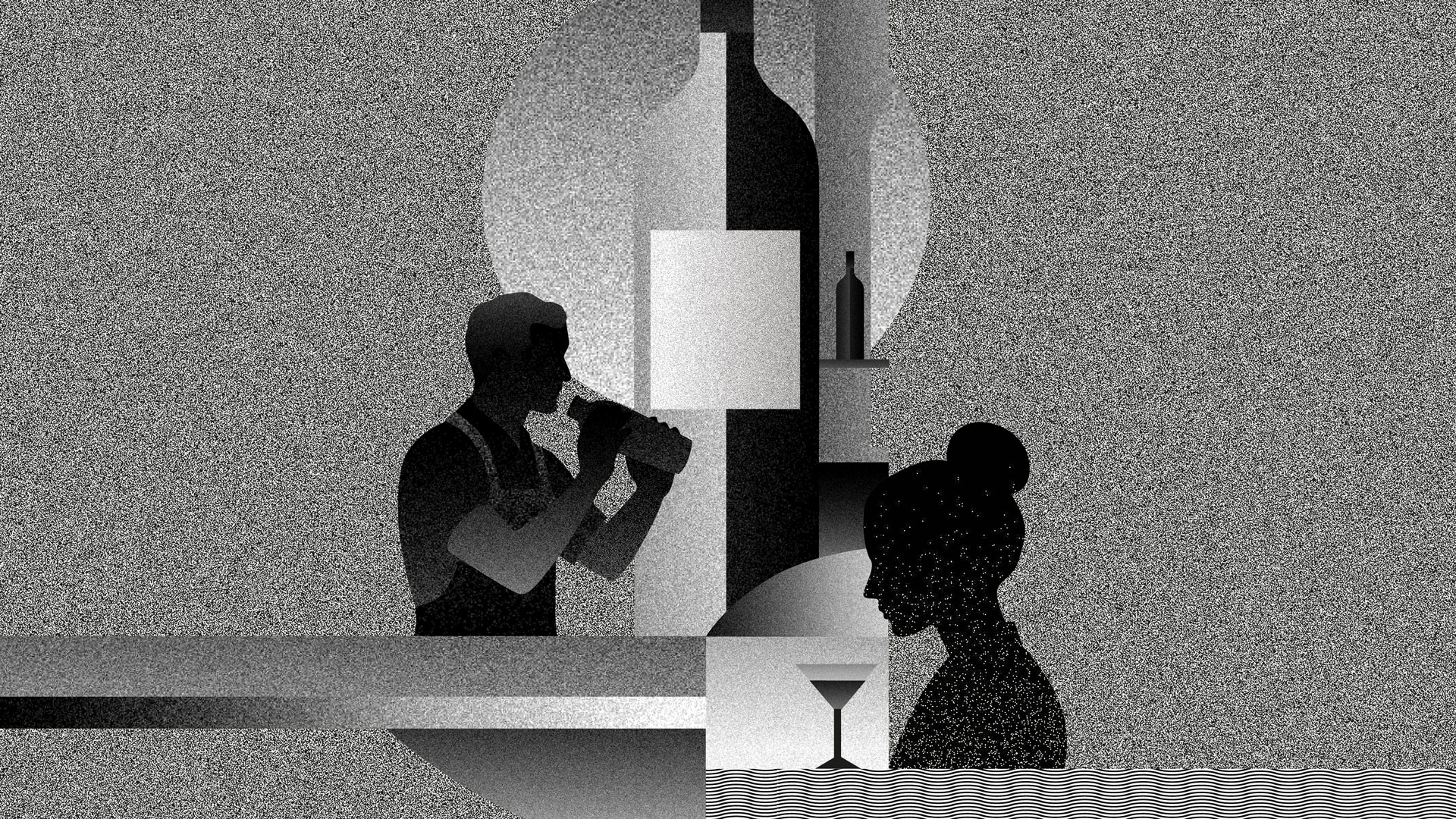
The people behind the bar are part of that construction too. Bartenders have become public-facing figures, moving fluidly between hospitality and personal brand-building. In recent years, the industry has begun producing professionals who speak openly about leadership, inclusion, sustainability and workplace well-being — conversations that, not so long ago, sat largely outside the discourse surrounding nightlife. The job itself has changed accordingly. Technical proficiency is no longer enough. Today, the role requires team leadership, emotional intelligence, guest management, creative direction, communication skills and a clear understanding of the business. It is one reason many now prefer the term hospitality professional over bartender, a title that better reflects the scope of what the work has become.
Building a Cocktail Bar’s Identity Through Labels and Social Media
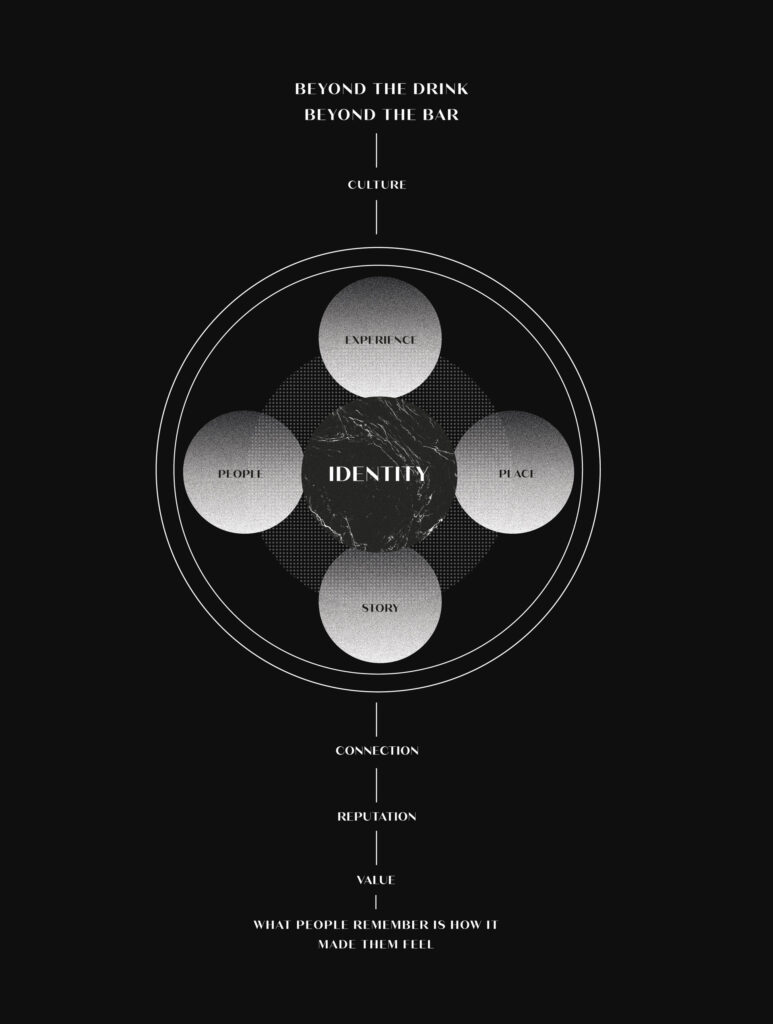
At the same time, venues have become far more deliberate in the way they shape public perception. A cocktail bar communicates its identity not only through its name, but through its voice, interiors, soundtrack, service style and even the wording on its menu. Every element contributes to a label — whether explicitly stated or not.
Social media has only accelerated the shift. Much of hospitality now unfolds in parallel online. Guest shifts, takeovers, panel discussions and collaborations become content, feeding the visibility of both venues and individuals. The way a bartender appears on camera, dresses, speaks or even the drinks chosen to represent a particular aesthetic all feed into the construction of a recognizable persona. Sometimes, that visibility builds powerful communities and creates meaningful professional opportunities. Just as often, it encourages a certain sameness, where bars in entirely different cities begin to mirror one another visually and culturally.
How Luxury Is Changing
Luxury, too, is adjusting its vocabulary. For years, premium hospitality relied on exclusivity and a carefully maintained sense of distance. That language feels less convincing now. What many guests increasingly seek is authenticity, along with experiences that feel tailored rather than merely rare. Perceived value is shifting away from status alone and toward the quality of human interaction. In the end, labels remain one of hospitality’s most effective storytelling devices — imperfect, certainly, but still deeply influential in shaping how the industry sees itself and how it is understood from the outside.
The article first appeared on Coqtail – for fine drinkers. Order your copy here
Original illustrations by Coqtail – all rights reserved