

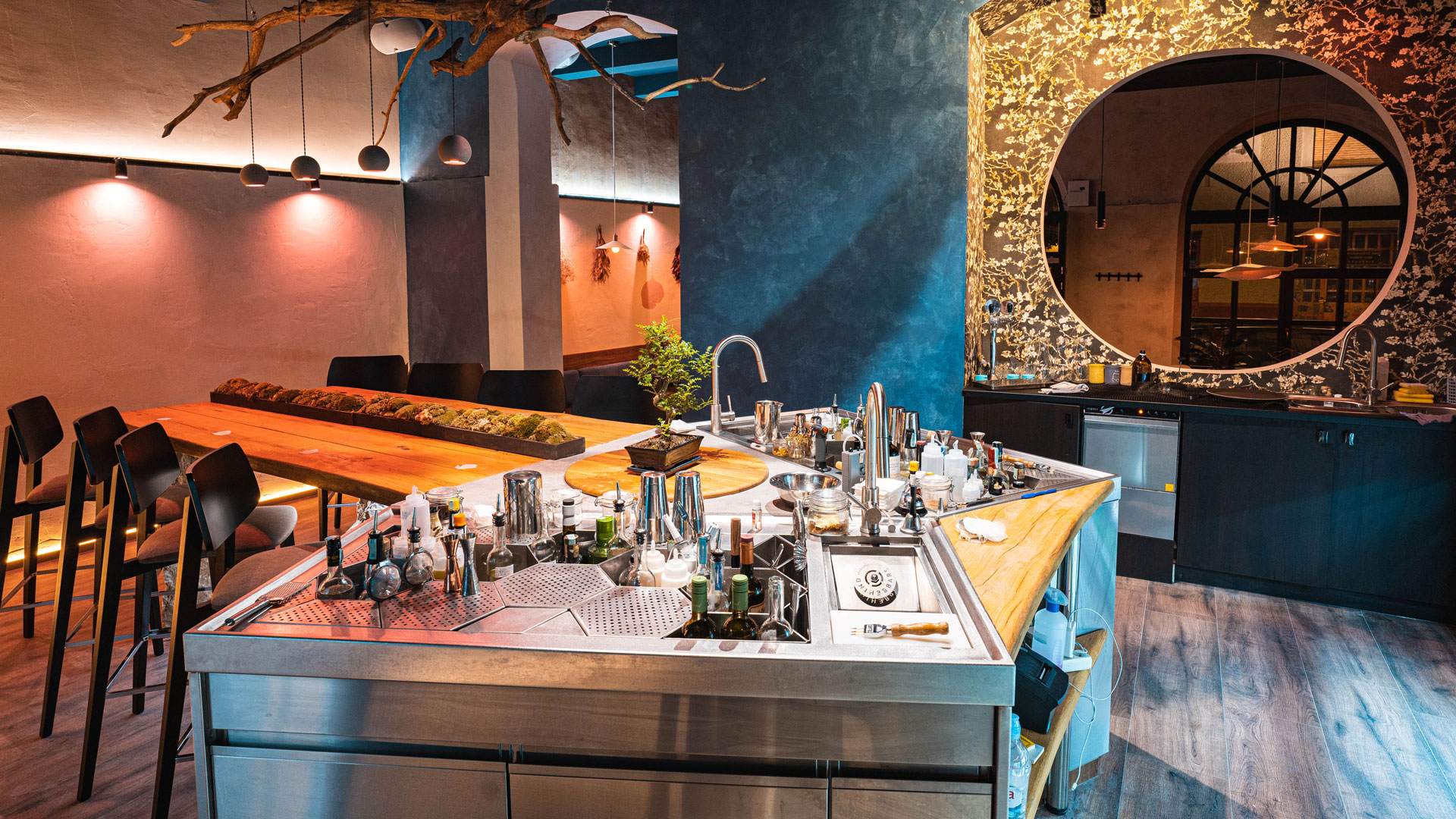
March 28–29, Budapest, Elysian Bar: the beginning of something new, or the culmination of a long process? Either way, those two days marked a defining moment — the formalization of a practical framework of best practices for bars seeking a genuinely sustainable model. Sustainability has become one of the hospitality industry’s most urgent global conversations. Plenty speak about it; far fewer translate it into daily operations. Progress, however, often begins with individuals. In this case, with Máté Szabó, founder of Elysian Bar and creator of Sustainability Documents, an annual publication and platform that, from its first presentation in March, brought together four bars from different parts of the world.
Mátè Szabò and the Bars Behind the Sustainability Documents

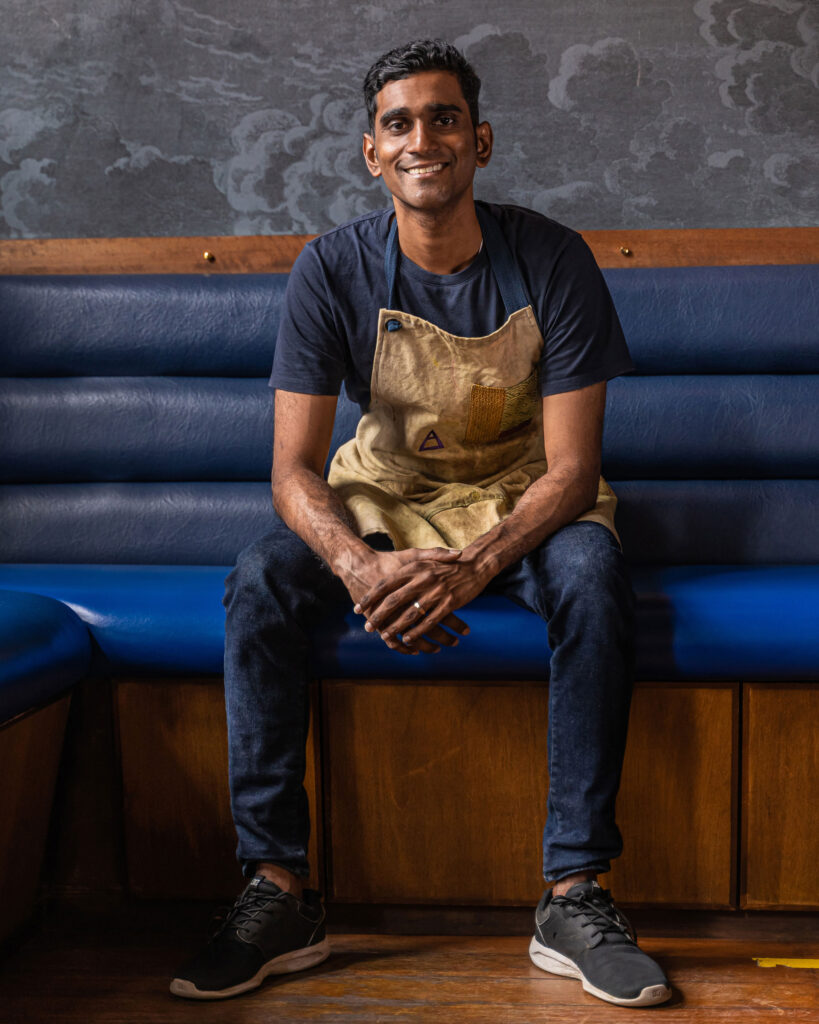
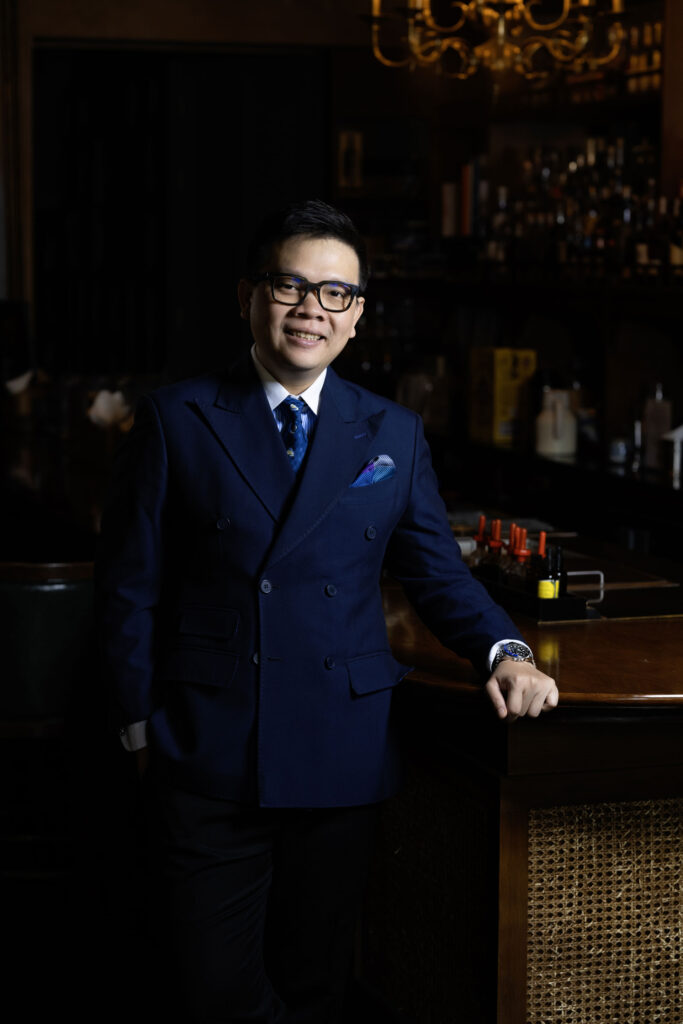
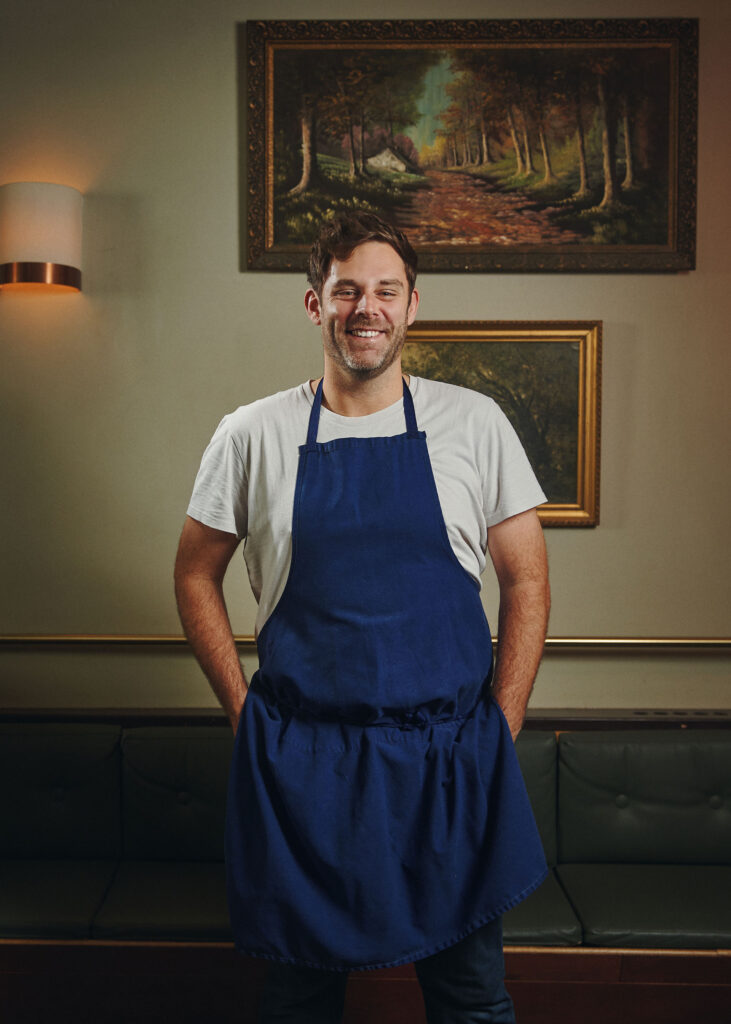
Hyacinthe Lescoët of The Cambridge Public House and Little Red Door in Paris, Angelos Bafas of Cato in London, Vijay Mudaliar of Native in Singapore, and Thép Đinh and Lâm Ðúc Anh of STIR in Ho Chi Minh City joined the initiative around far more than a shared set of principles. What binds them is a practical methodology — one capable of becoming processes, techniques, and business strategies shaped by each bar’s geography, supply chain, and cultural reality. The first edition examines locality as a structural principle, offering practical references for building hospitality systems that are more resilient, more distinctive, and commercially sustainable.
A Vision for a Sustainable Model

“The ambition is to make this a series of annual chapters that support a movement and a community of bars through collaboration, awareness, and the opportunity for anyone to join and contribute,” says Máté Szabó, whose goal was never to create some idealized version of the sustainable bar. “At first, I wanted to celebrate Hungarian ingredients through a farm-to-glass approach to cocktails.
Then I started questioning how much of that philosophy was truly reaching the guest. That pushed me to dig deeper into what concepts like natural ingredients, zero waste, and circular economy actually mean.” As his thinking evolved, so did his perspective on the fragility of the bar ecosystem itself. Ingredient sourcing, logistics, production waste, and rising costs led Máté Szabó and the participating bar teams to a broader understanding: sustainability carries environmental implications, certainly, but commercial ones as well. “Sustainability becomes more than a technique or an aesthetic layer. It can shape the identity of a bar’s cocktail philosophy and create a system built to last.” Reaching that point required considerable effort.
How the Sustainability Documents Take Shape in Bars

The international bar industry has debated sustainability for years, yet the collaboration between Máté Szabó and his peers — with close attention to territory, supply chains, social context, and business realities — ultimately resulted in a shared protocol. Making sustainability operational comes at a price. Implementation demands investment, carries risk, and requires long-term discipline behind the bar. At Elysian, seasonality and local ingredients — fruit, grape varieties, herbs, honey — form the foundation of the drinks program.
Technique and creativity allow the team to replace conventionally less sustainable ingredients with alternatives capable of delivering the same flavor profile and mouthfeel. Citrus, for instance, is recreated through the acidity of verjus. Paris presents a different equation. At Little Red Door, relationships with small-scale producers shape the program. Annual menus require consistency in sourcing, which means detailed inventory planning and disciplined resource management.
Singapore adds another layer of complexity. The city depends heavily on imported goods, while local agriculture offers limited output. At Native, fermentation, distillation, and dehydration become essential tools, allowing the team to reduce reliance on imports while improving cost efficiency.
Máté Szabó and Everyday Sustainability in Practice

These bars — and the professionals behind them — approach sustainability with a striking sense of realism. Climate, cocktail philosophy, and guest expectations all complicate the implementation of the Sustainability Documents. Yet many of the practices at the heart of the movement would feel familiar to any seasoned bartender. Long before advanced technology entered the equation, preservation techniques relied on time itself: storing ingredients for colder months, concentrating flavors, extending shelf life.
Today, a strawberry becomes more than fresh produce. It may be fermented, dried, or transformed into an infusion, with its lifespan and performance inside a cocktail carefully mapped from the outset. Technique and technology now serve as tools that give practical shape to intention, turning sustainability from an abstract aspiration into something tangible in the glass.
The article first appeared on Coqtail – for fine drinkers. Order your copy here
Images courtesy Elysian Bar