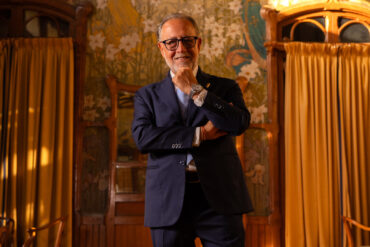

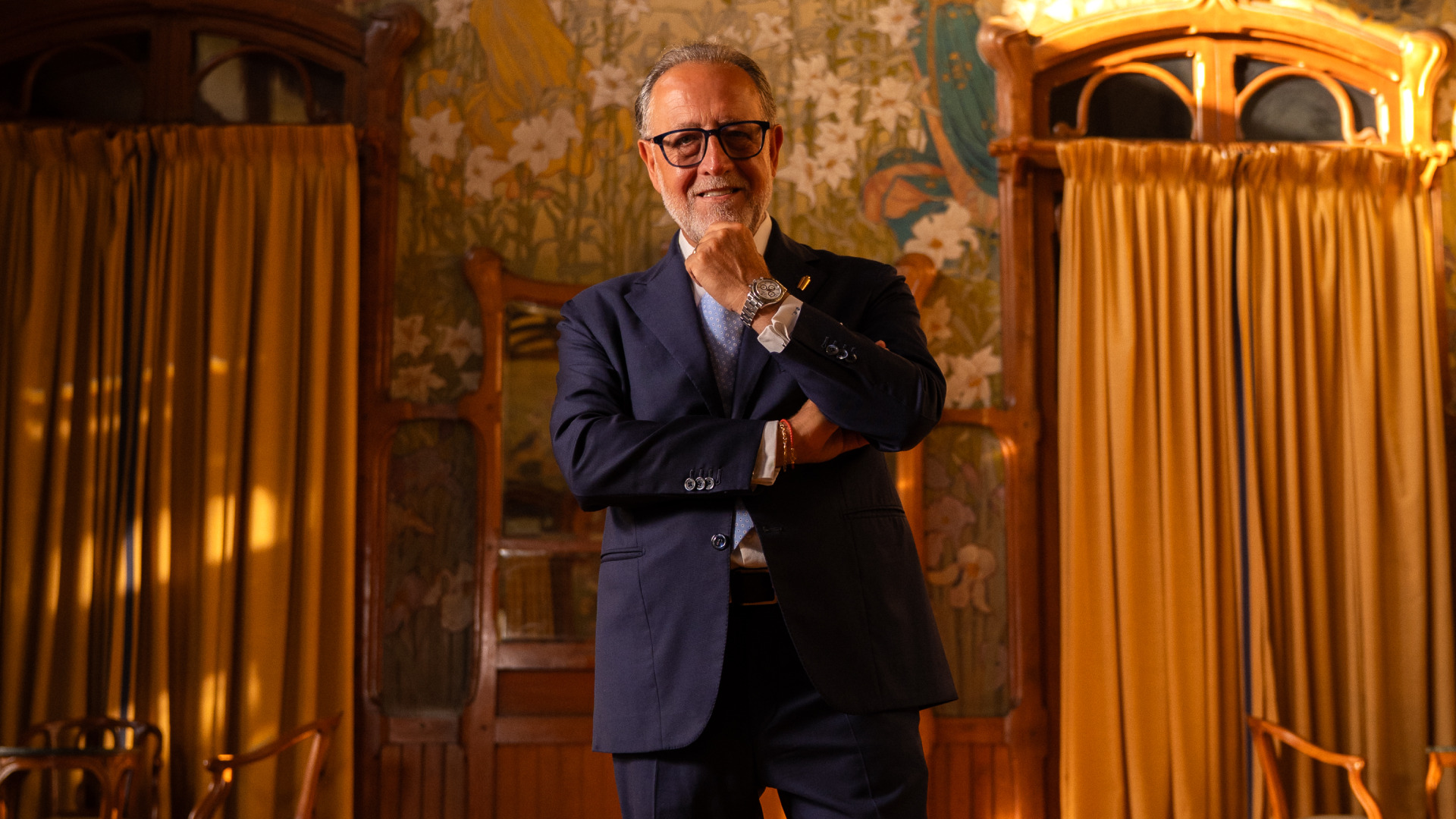
“Salvatore Calabrese was 11 when he was put in charge of slicing the breakfast bread at the Hotel Reginna in Maiori. The year was 1966, and consistency was already part of the job: every slice had to be the same thickness, checked against a template it was expected to fit exactly. Long before cocktails entered the picture, he was learning a rule that would follow him for the next six decades. “Attention to detail comes before the cocktail.”
Salvatore Calabrese First Lesson
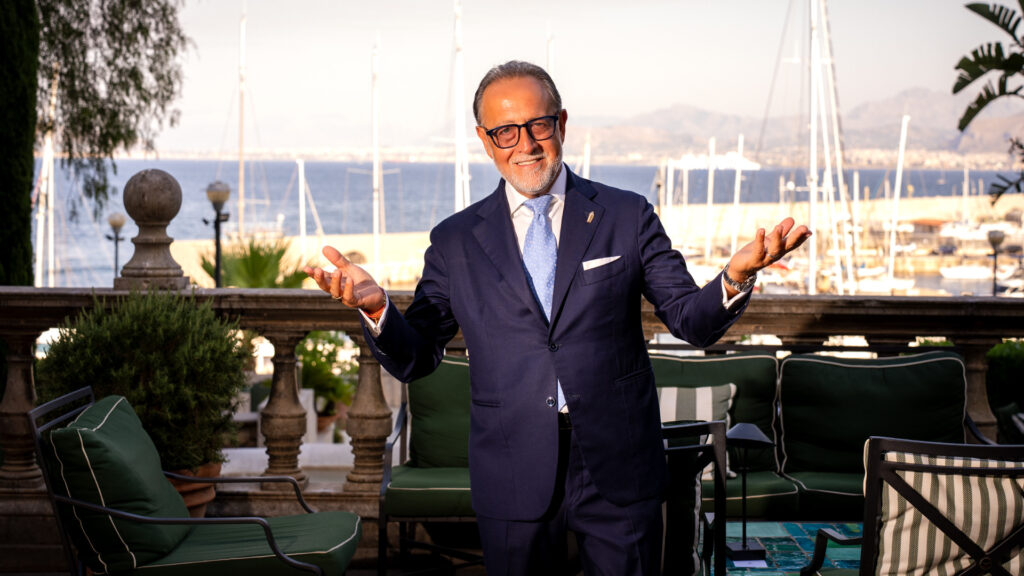
A more consequential lesson arrived soon afterward. Each morning, Calabrese would bring coffee to the chef, invariably with a smile. One day he found him cleaning a large fish, offered his usual greeting and had the fish thrown back at him. The young boy spent hours trying to work out what he had done wrong. Signor Raffaele, one of the men he considers an early mentor, eventually supplied the answer: “You didn’t read his mood.” Reading the person in front of him has been central to Calabrese’s idea of hospitality ever since. “Everything you do, you do for others, not for yourself.”
Sixty years on, he still ranks that ability above technical prowess. His career would eventually intersect with some of the defining moments in modern cocktail culture, but it began with a much simpler understanding of the hotel bar: the guest came first.
The Birth of Liquid History
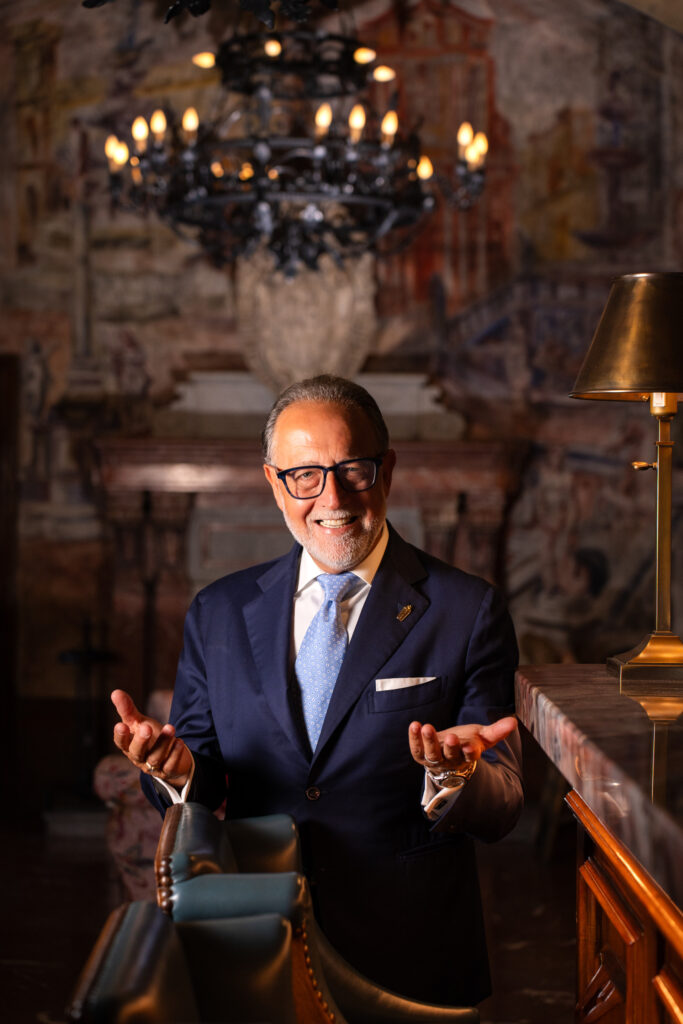
London entered the story in 1982. Calabrese found a job at Dukes after his wife spotted an advertisement, only to be told on December 23 that the hotel had hired the bartender it wanted and would no longer need him. Then came an unlikely reversal. The new hire attempted to make a Hot Toddy using a paraffin lamp, spilled the fuel and set the bar alight. “His career went up in smoke,” Calabrese recalls, “and mine began with a flame.” He was back behind the bar on December 27 and became Head Bartender six months later.
Dukes then consisted of six tables and generated about £500 a week. With barely 20 seats to work with, Calabrese knew volume would get him only so far. His answer was value: he developed “Liquid History,” serving vintage spirits as a way of putting the past into the glass, and revenues climbed to levels that had once seemed implausible for a room of that size. But the more enduring idea to emerge from Dukes had little to do with turnover. “My first thought wasn’t to make a good Negroni,” he says. “It was to make my guests feel at home. Recently, a guest I served at Dukes 40 years ago came back from America to celebrate his 80th birthday with me. That is hospitality.”
The Quest for the Perfect Cocktail
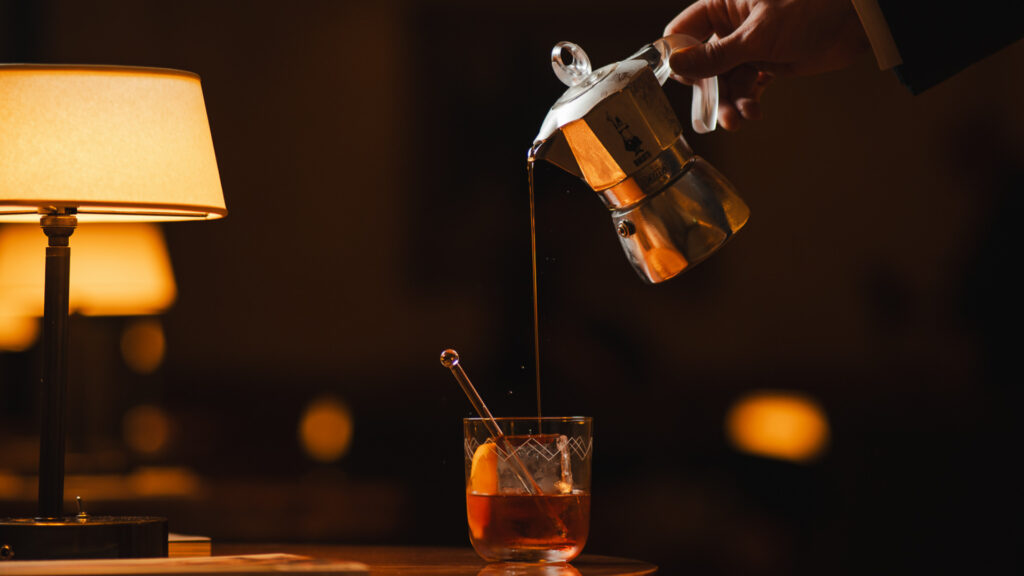
Even the Dukes Martini, the drink most closely associated with his years there, began as an exercise in listening to a customer. A journalist kept asking for his Martini exceptionally cold and exceptionally dry. Calabrese could achieve one or the other, but struggled to deliver both. He kept trying. Eventually, he put the gin and the glasses in the freezer.
It was 1985, and the journalist went on to describe his Direct Martini as one of the best in the world. Salvatore Calabrese still tells the story with characteristic bravado. “I always say God took six days to create the universe, and I needed only five to create the perfect Martini.” The comes the point of the joke. “It all started because I wanted to satisfy one person. Hospitality cannot be found in a glass, only in the care and welcome you offer your guests and the memories they take away.”
Maestro Salvatore Calabrese Philosophy of Hospitality
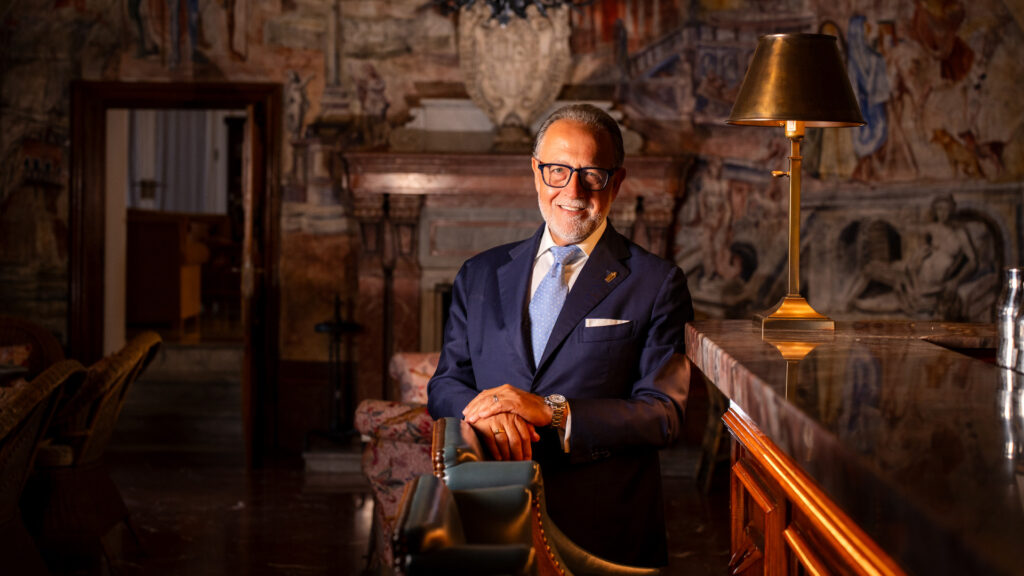
For Calabrese, the bar itself is “the greatest and most beautiful theater in the world.” The size of the room, or how luxurious it is, matters less than what happens inside it. Dukes had six tables, no music and no entertainment, yet its guests included Maurizio Gucci, Jon Bon Jovi and Sean Connery. The performance was hospitality itself. Now widely known as “the Maestro,” Calabrese has spent much of his later career teaching bartenders how to stage that performance.
One of his rules is almost comically precise: look up from the bar at least once every 10 seconds. “No one should be invisible,” he says. “Eye contact is enough to tell a guest who is waiting that you’ve seen them and that they matter.” Next comes listening. A glass hitting the floor should trigger an immediate response: clear it away, replace the drink, make sure the guest is comfortable. Then there is the smile — genuine, rather than automatic — followed by physical connection. “Even a handshake can say, ‘Welcome to my world.’”
The Encounters That Shaped the History of Hospitality
At Salvatore at Fifty, Calabrese once walked into the bar and noticed a man sitting alone while members of the team talked among themselves. They told him the man was only drinking a Coke. Calabrese introduced himself anyway. The guest explained that he had come specifically for the experience of visiting the bar. He spent more than £1,000 that evening and eventually became one of its best customers. Calabrese turned the episode into another lesson: “Don’t judge the person by the cover. Open the book.”
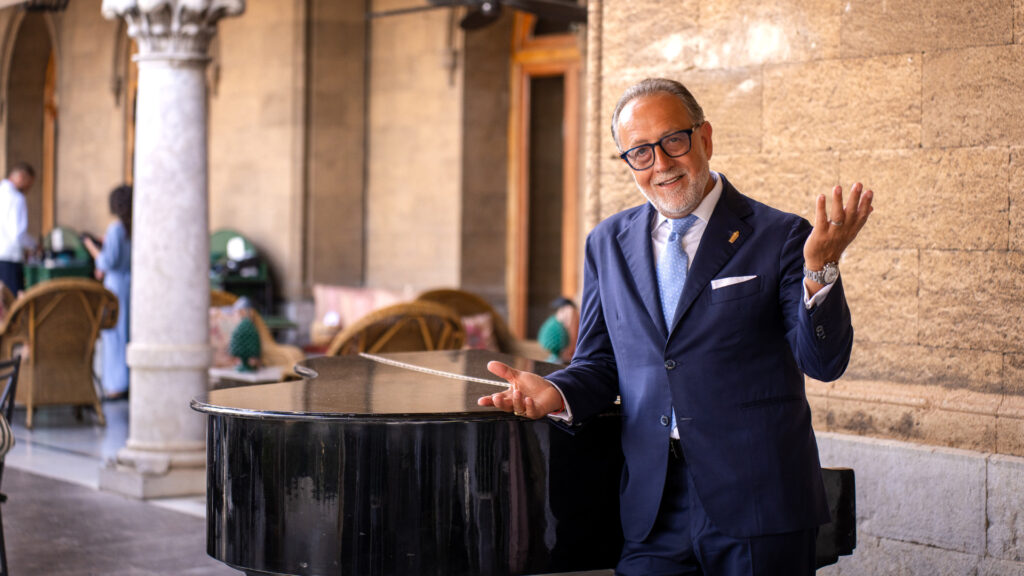
At The Lanesborough, his instinct for turning service into an occasion produced one of his favorite memories. Stevie Wonder had become a regular and was drinking a Champagne Wonder, which Calabrese had created for him. One evening, Calabrese noticed him moving his head to the music coming from the piano and asked whether he wanted to play. Wonder sat down and performed for more than half an hour for the guests at the Library Bar. Before leaving, he applauded Calabrese. Puzzled, the bartender asked why. “From one artist to another,” Wonder replied.
Salvatore Calabrese’s Legacy and the Power of a Smile
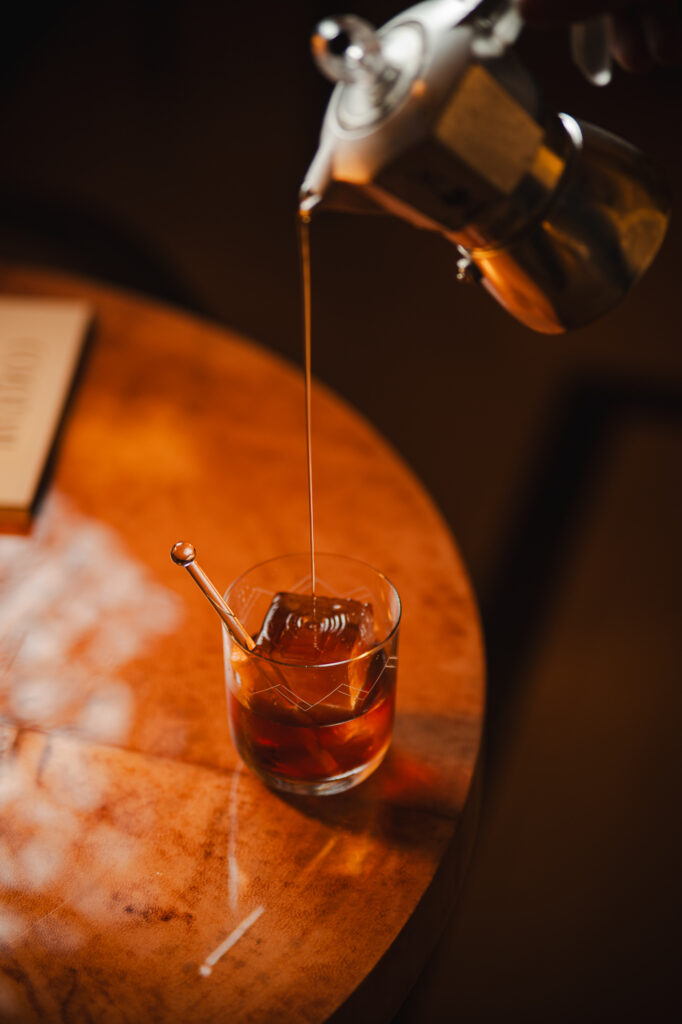
Calabrese has accumulated the conventional markers of a legacy: cocktails, books, glassware, bar equipment and ideas that have traveled far beyond the rooms in which they originated. He is more interested in the bartenders he has trained and the customers who still return decades later. Even the shaker, in his telling, belongs to the guest. “It’s my best musical instrument,” he says. “Let me play it for you.”
Years ago, a young Agostino Perrone asked Calabrese what he should remember as he made his way into the world of great bars. Calabrese told him that the cocktails mattered, but the hospitality mattered more. His advice was brief: “Don’t forget to smile.” Perrone carried the phrase with him. For Calabrese, it is a small piece of a much larger legacy, but perhaps the one that best explains it. His career has been built around a conviction learned before he was old enough to stand behind a serious bar: the drink may be what arrives in front of the guest, but hospitality begins long before the first sip.
The article first appeared on Coqtail – for fine drinkers. Order your copy here
Photo by Michele Tamasco, location Villa Igiea, a Rocco Forte Hotel, Palermo. All rights reserved