
Glassware is never incidental. It shapes the way a drink is perceived, from aroma to structure. Coupes, tumblers, punch cups: the range used behind the bar is extensive, each designed to enhance a specific style of cocktail and support its garnish. Here’s a closer look at the most widely used glasses in mixology—and what they’re meant to do.
Cocktail Glassware: Function and Purpose
What you drink tends to get all the attention. Where you drink it—from a bar top or a table—less so. Yet the vessel itself plays a decisive role. A cocktail served in one glass will not taste the same in another. Glassware does more than hold a liquid; it amplifies aromas and defines the drinking experience.
The shape of a glass influences how aromas are released and perceived. That is why the term “tasting glass” is not reserved for wine alone. In mixology, choosing the right glass becomes part of the recipe.
A Glass for Every Cocktail
Each cocktail calls for its own format, guiding both presentation and tasting. The question is not just how many types exist, but how they function. Here are some of the most common glasses used by bartenders.
Balloon
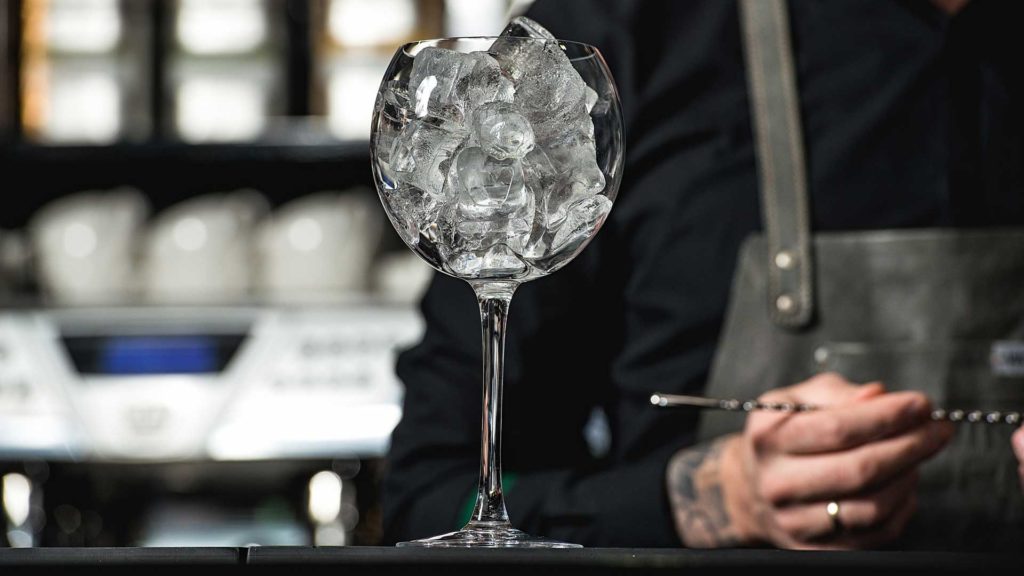
Less common today than in the past, balloon glasses feature a rounded bowl. The shorter version is suited to Cognac and brandy, while the stemmed variation is often used for aperitivo-style drinks such as Gin & Tonic or Spritz.
Wine Glass
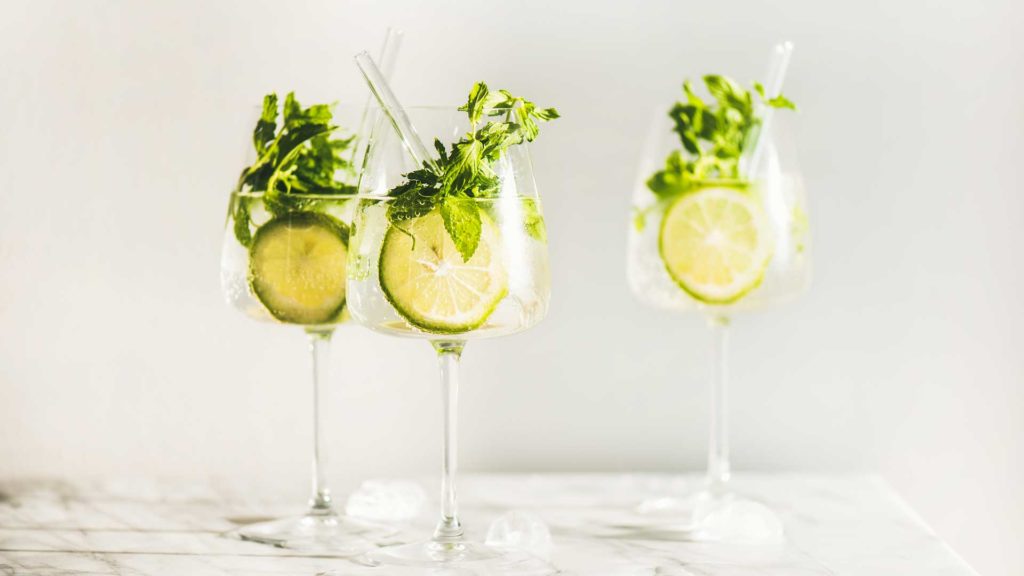
Not limited to wine, the classic stemmed glass is also used in mixology for drinks like the Hugo. In some bars, it has become the preferred vessel for serving a Spritz.
Cocktail glassware: Collins
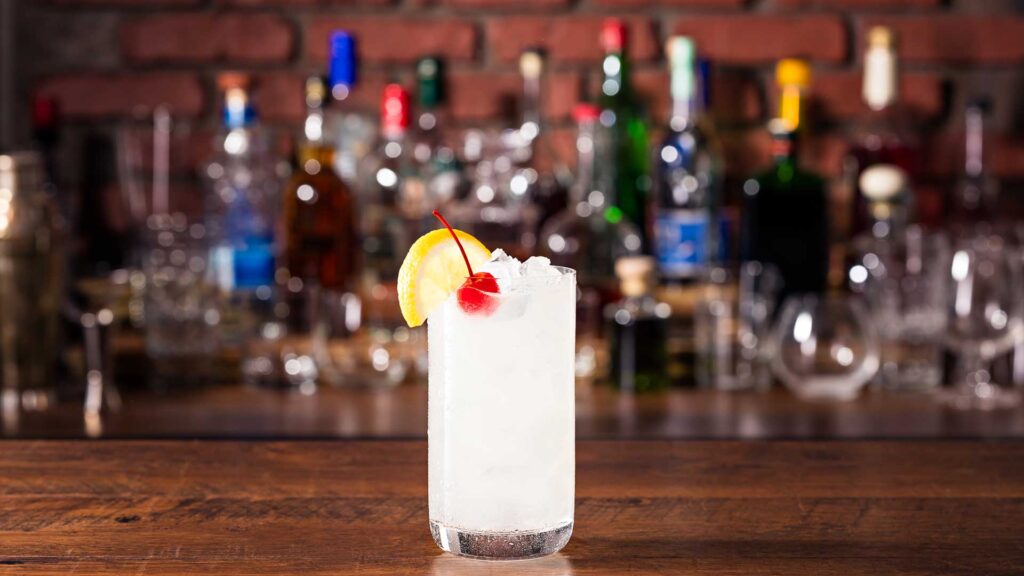
Also known as a medium tumbler, the Collins glass is designed for long drinks. Its tall, narrow shape accommodates ice, fruit and lengthened mixes. It takes its name from the Tom Collins, traditionally served in this format.
Martini Glass
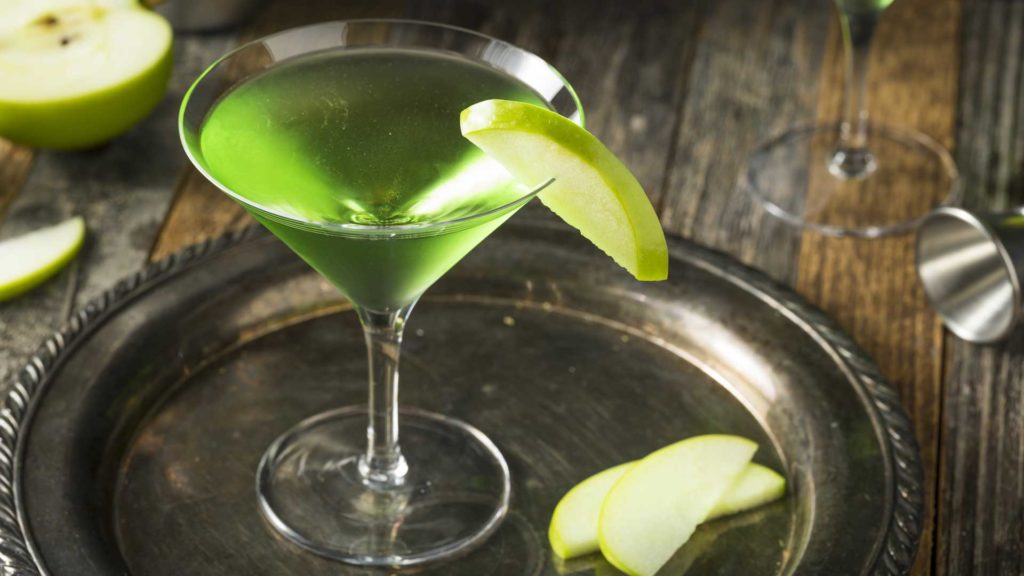
The iconic triangular coupe is synonymous with the Dry Martini—gin and vermouth in a crystal-clear expression. Over time, the glass has come to define the drink itself, though it is also used for cocktails such as the Cosmopolitan. It suits drinks served without ice, strained after shaking or stirring. The stem elevates both the liquid and its presentation.
Margarita Glass
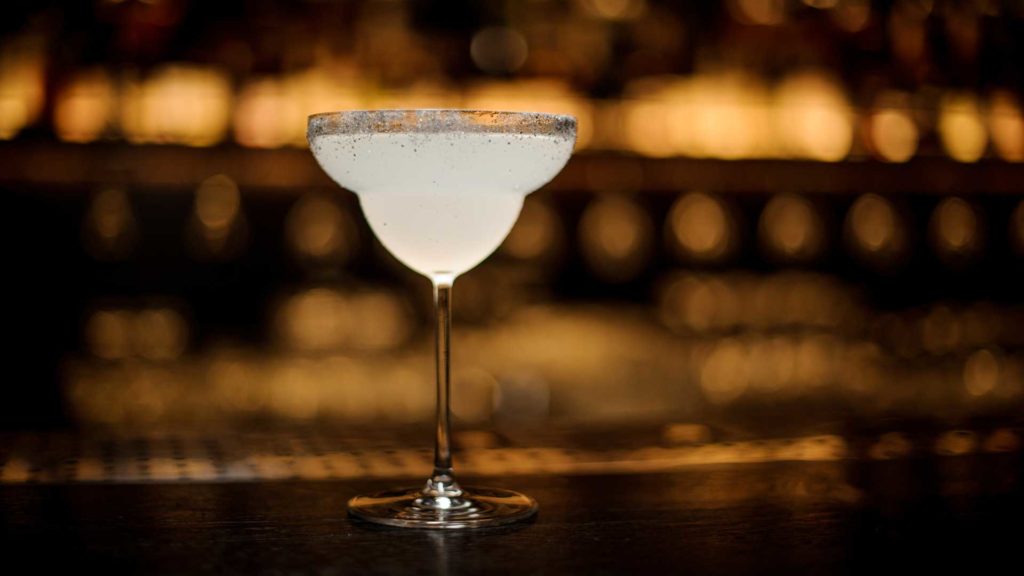
Recognizable by its wide, layered bowl, the Margarita glass echoes the shape of a sombrero. Designed for the classic Mexican cocktail, its broad rim accommodates the signature salt crust.
Champagne Coupe
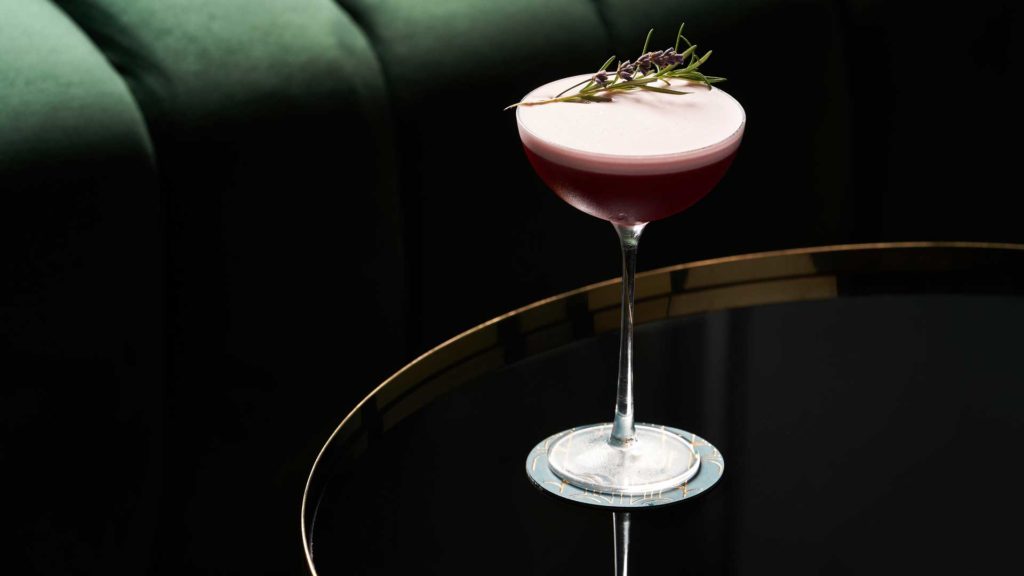
Rounded and refined, the Champagne coupe is traditionally used for sparkling wine. In cocktails, it suits effervescent recipes or those built around fruit and bubbles.
Flute
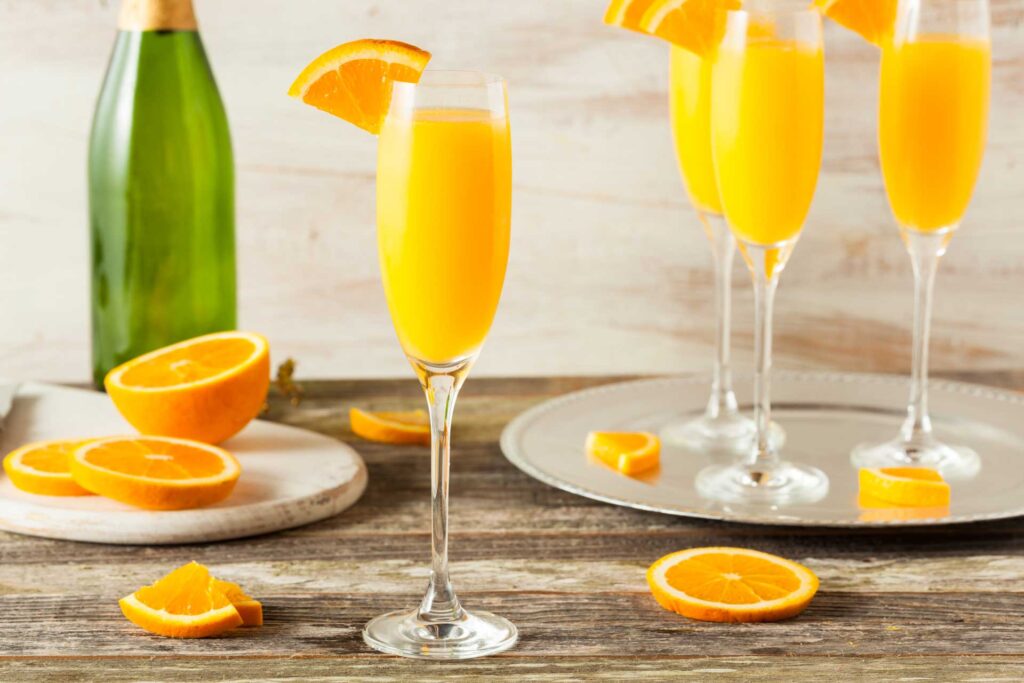
Tall and narrow, the flute preserves carbonation and highlights effervescence. It is commonly used for Prosecco and cocktails such as the Rossini or Mimosa.
Cocktail glassware: Highball
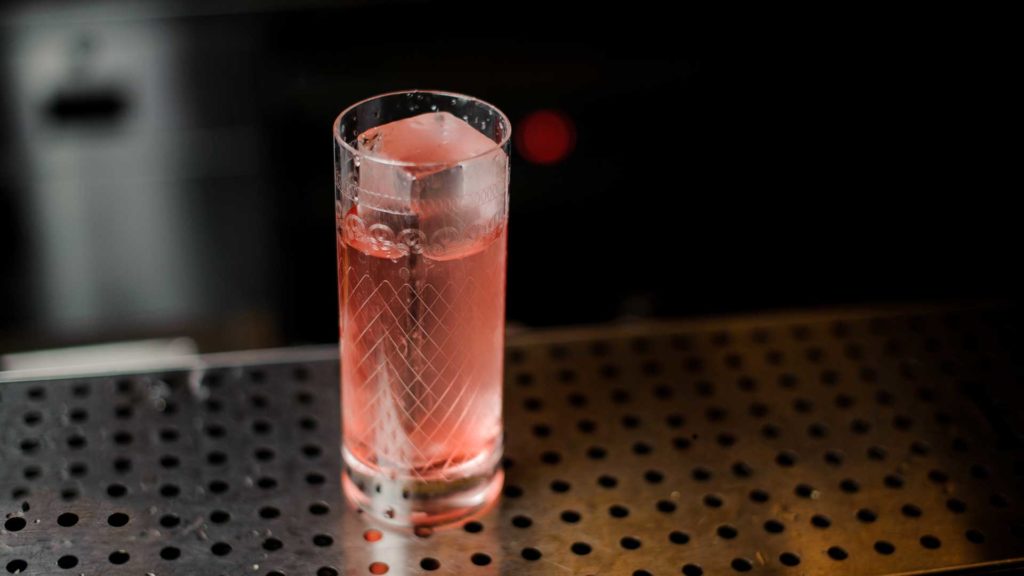
A tall cylindrical glass with generous capacity, ideal for long drinks. Its proportions allow for balance between spirits, mixers and ice.
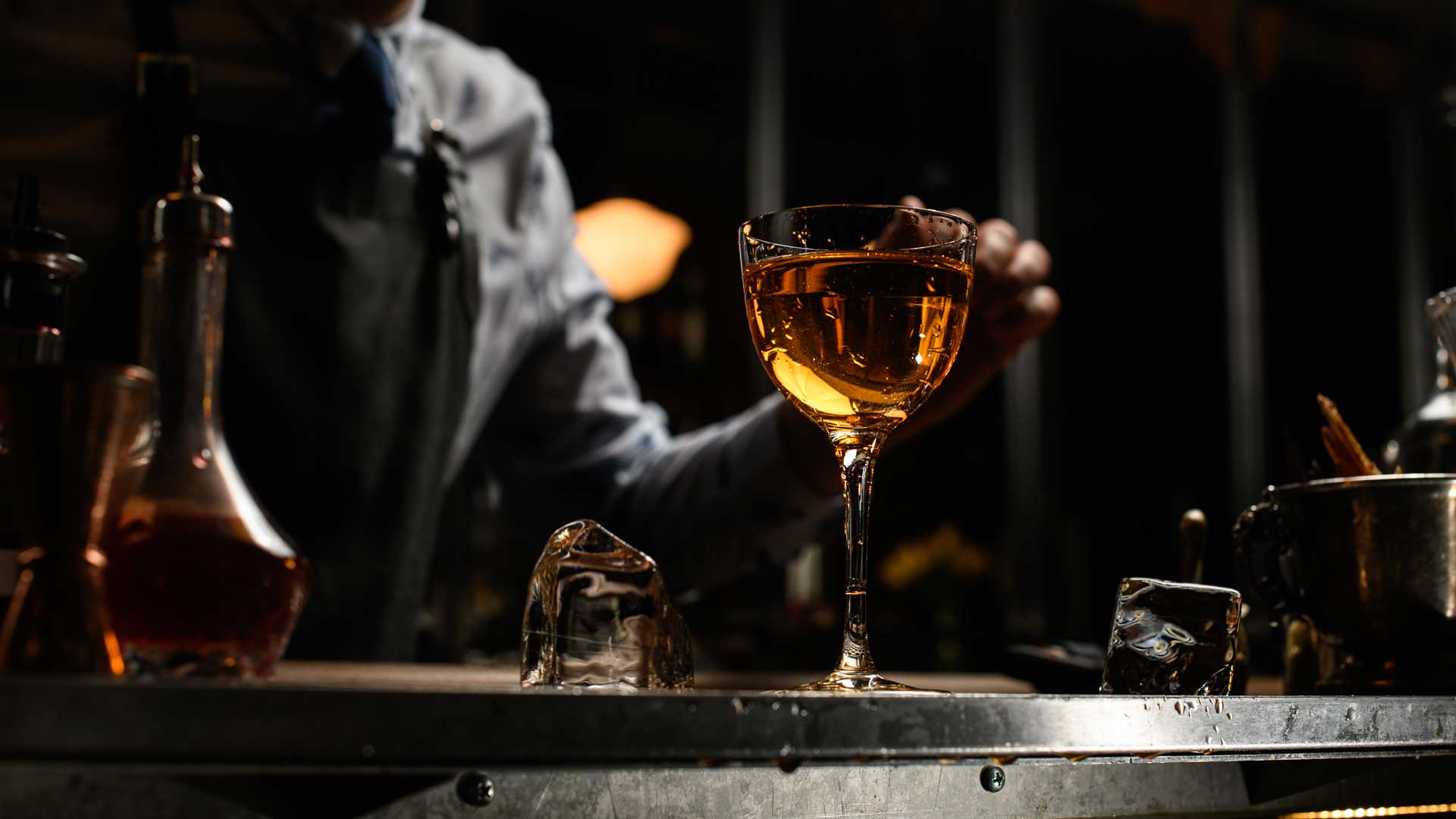
Cocktail glassware: Nick & Nora
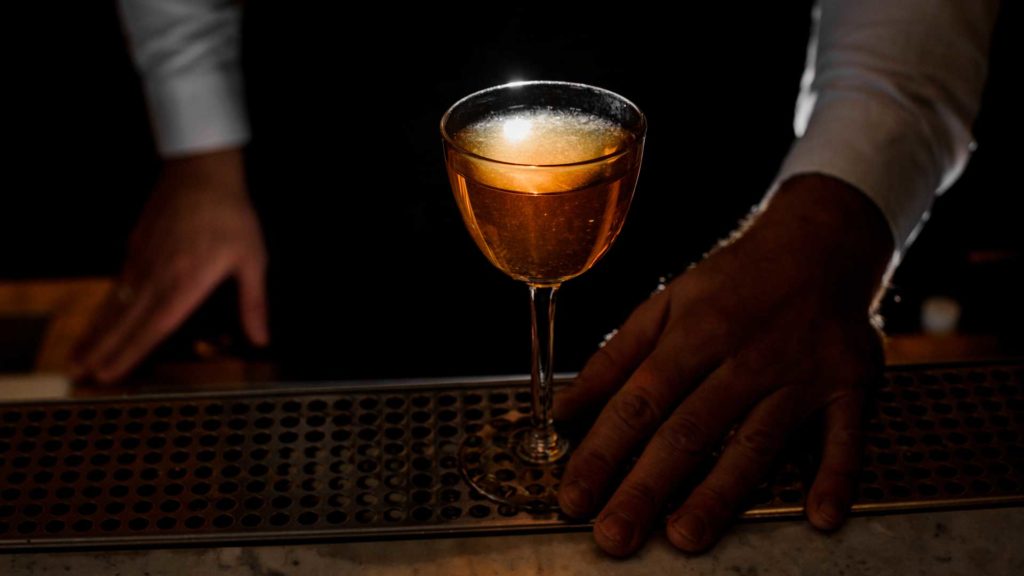
Among the most contemporary choices, the Nick & Nora glass takes its name from the 1934 film The Thin Man. With its understated elegance, it has become a favorite among top bartenders for serving refined, spirit-forward cocktails.
Old Fashioned (Low Tumbler)
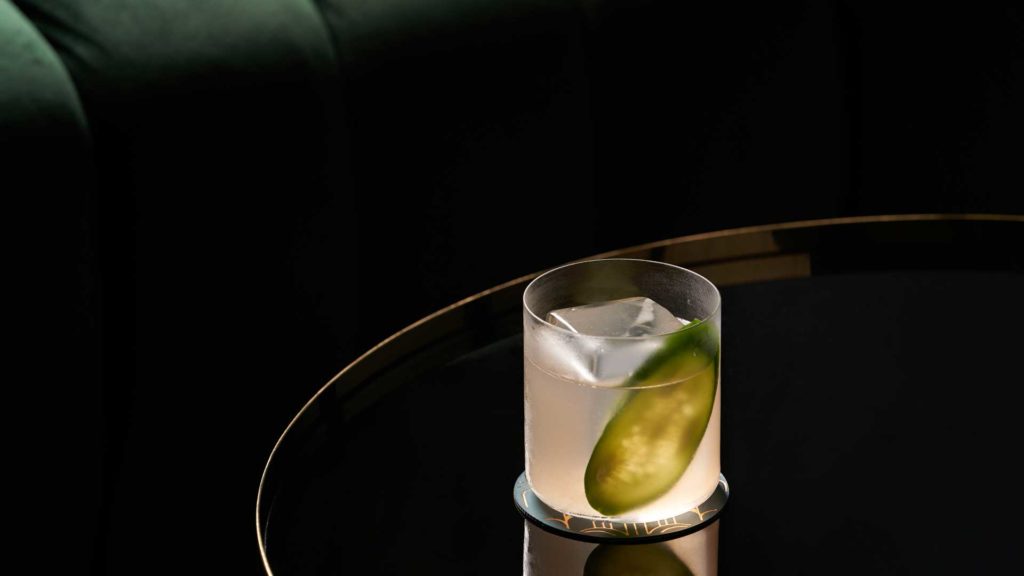
The go-to glass for drinks served on the rocks. Sturdy and compact, it is one of the most widely used tools behind the bar, essential for classics like the Old Fashioned.
Cocktail glassware: Punch Cup
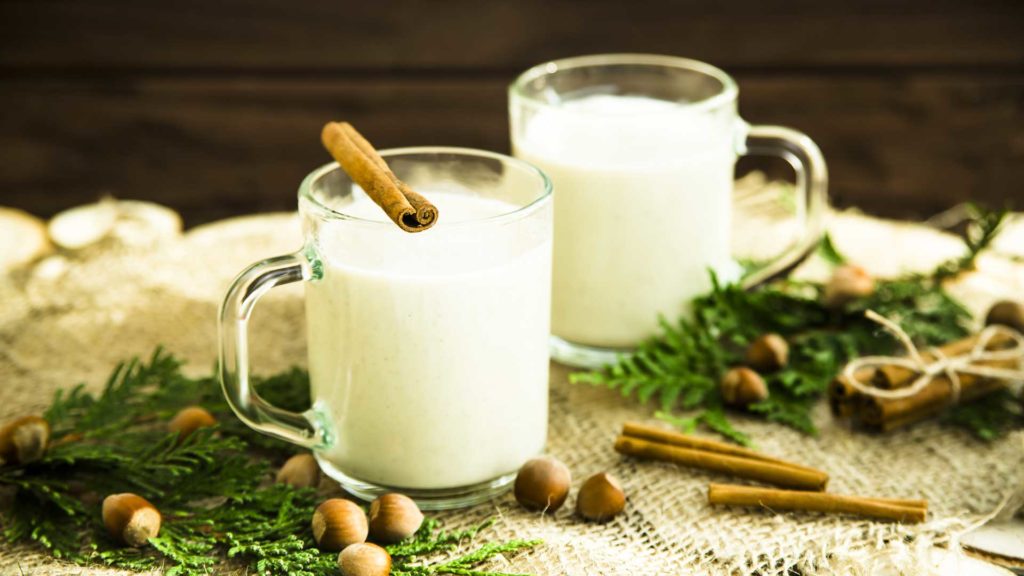
A small, rounded glass cup used for warm, often spiced drinks such as punch. Its shape helps retain heat, encouraging a slower, more contemplative style of drinking.
Tiki Mug
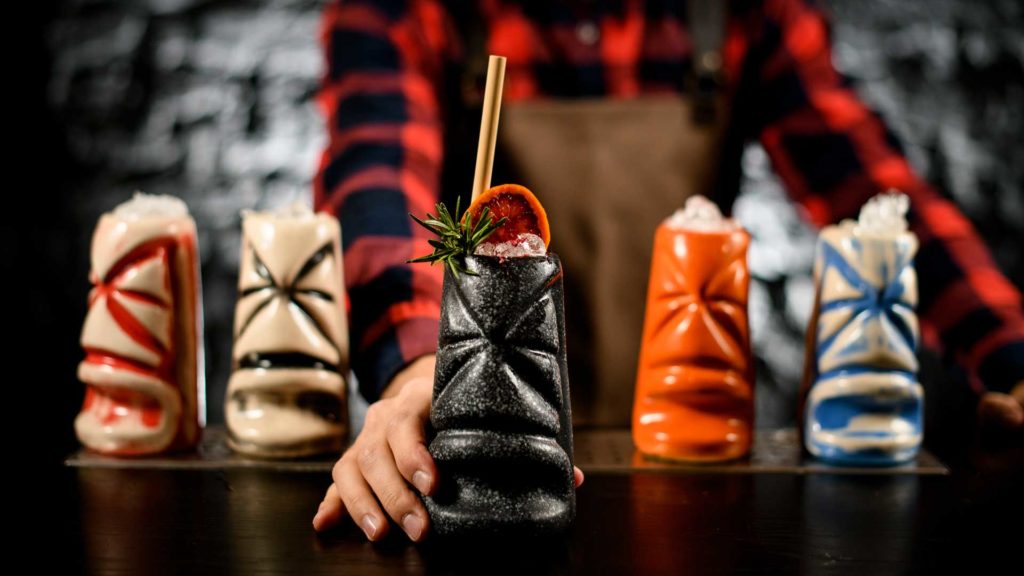
With its glazed surface and sculptural form—often inspired by Polynesian totems—the tiki mug is designed for tropical cocktails. Crushed ice, fresh fruit and bold garnishes complete the experience, recalling the exotic aesthetic popularized in the 1930s by Donn Beach.