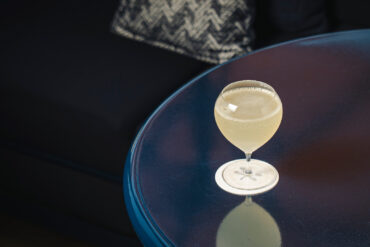

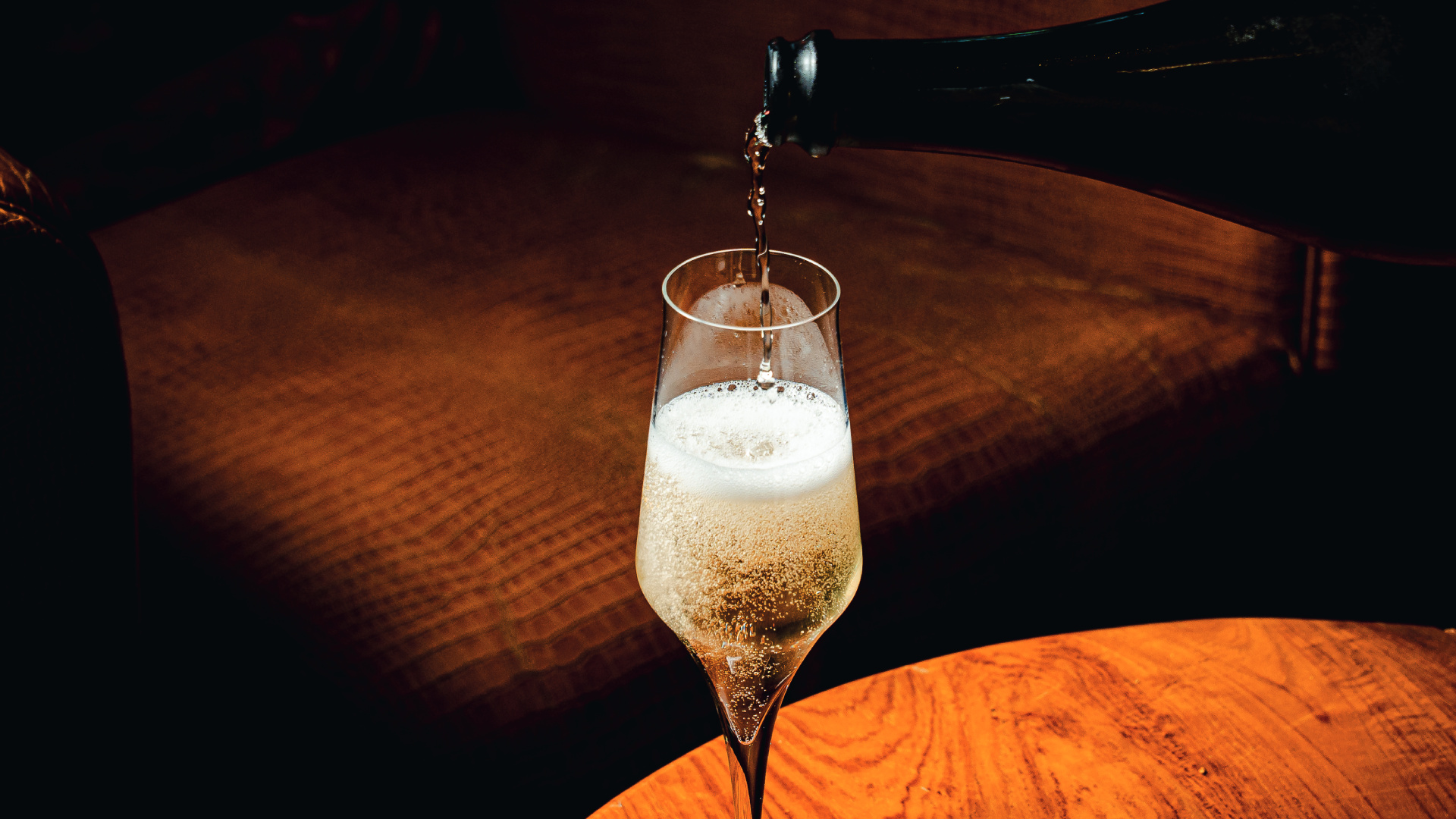
Champagne should make its entrance almost quietly, without a cork flying toward the ceiling, foam spilling over the neck of the bottle or glasses filled to the brim. Its etiquette calls for a gentler touch, and one that is often far simpler than people imagine. More importantly, there is a practical reason behind it. Temperature, opening technique, glassware and the way Champagne is poured all have a direct effect on its aromas, effervescence and, ultimately, the pleasure of drinking it. It is worth remembering ahead of Champagne Day, which in 2026 falls on Friday, October 23.
The international celebration of France’s most famous sparkling wine dates back to 2009, when California wine educator Chris Oggenfuss launched the initiative. It has since grown to involve enthusiasts, restaurants, bars, Champagne houses and vignerons around the world. It also provides a useful excuse to sort genuine rules of service from ingrained habits — and to dispense with a few persistent myths.
The Ideal Temperature for Serving Champagne
Temperature comes first. The Comité Champagne recommends serving Champagne between 8 and 10°C (46 and 50°F): cold enough to retain its freshness, but not so chilled that its aromatic character becomes muted. A bottle can be brought to the right temperature by leaving it in the lower part of the refrigerator for a few hours, or by placing it for about half an hour in an ice bucket filled equally with ice and water. The water keeps the entire surface of the bottle in contact with the cold, allowing it to chill more evenly. Once the proper temperature has been reached, the bucket will keep it there throughout service.
Champagne Day: How to Open a Bottle of Champagne Properly
Then comes the cork, responsible for one of the most recognizable rituals associated with Champagne — and one of its most common mistakes. A loud pop may be theatrical, but proper etiquette calls for something altogether more restrained. After removing the foil and loosening the wire cage, hold the bottle at an angle of between 30 and 45 degrees, naturally pointing it away from your guests. Keep one hand firmly over the cork while slowly turning the bottle from its base with the other. The pressure inside will do the rest. The cork should ease its way out gradually, with little more than a soft sigh. It takes only a few extra seconds, but makes the difference between a controlled opening and a cork propelled several feet across the room.
Coupe, Flute or Tulip: Which Champagne Glass to Choose
Glassware tells its own story about the way Champagne drinking has evolved. The coupe, a fixture of receptions and parties for much of the 20th century, has a broad surface area that allows aromas and carbonation to dissipate quickly. The flute later became the standard, its slender shape showcasing the steady stream of bubbles rising through the wine. Today, preference has shifted toward the tulip glass: tall, wider through the middle and gently tapered at the rim. It gives the wine room to open up while directing its aromas toward the nose. The perlage remains clearly visible, but bubbles are no longer the sole consideration when choosing the glass.
Cleanliness deserves equal attention. A sparkling glass may look pristine, yet traces of detergent or rinse aid can interfere with the formation of bubbles. The Comité Champagne recommends washing glasses by hand in hot water, without detergent, then leaving them to drain and air-dry or polishing them with a perfectly clean cloth. Streaks, foreign odors and traces of cleaning products have no place in a properly served glass of Champagne.
Champagne Day: The Rules for Pouring and Tasting Champagne
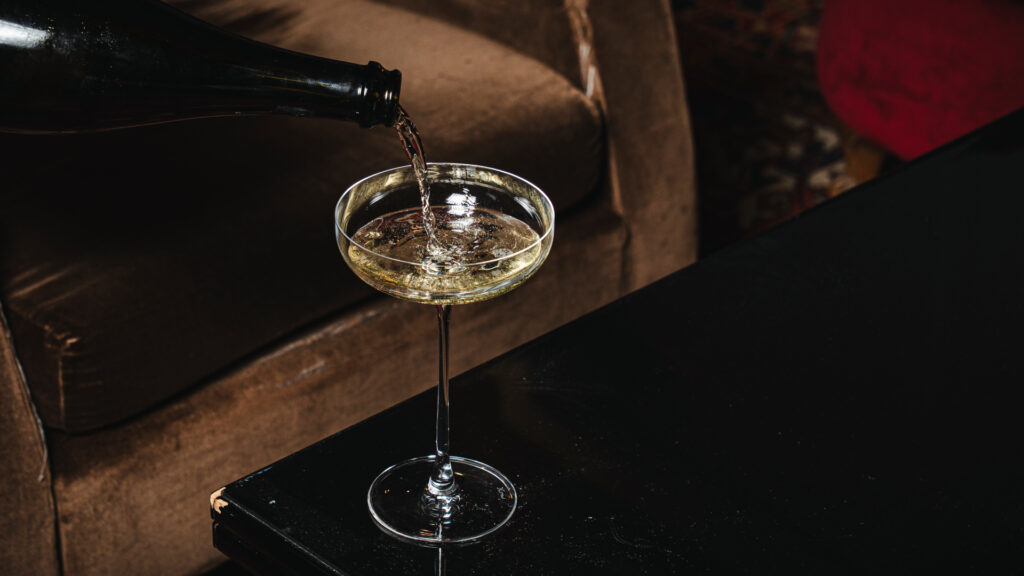
Then comes the main event: the pour. Leave the glass upright on the table; there is no need to tilt it as you would a beer glass. Pour the Champagne slowly, ideally in two stages. Start with a small amount, wait a few seconds for the mousse to subside, then continue until the glass is roughly two-thirds full. This prevents the wine from overflowing and leaves enough room for its aromas to develop. The bottle itself deserves some attention, too: once removed from the ice bucket, wipe away any condensation before bringing it over the table.
There is a small rule for the person receiving the glass as well. Hold it by the stem rather than cupping the bowl in your hand. The reason is entirely practical: body heat will raise the temperature of the wine more quickly. Nor is there any need to keep topping up the glass. Smaller pours help the Champagne stay cool and give you time to follow its evolution as it gradually warms by a few degrees.
Vintage, Blanc de Blancs and Rosé: Understanding Champagne
Champagne etiquette also extends to knowing what is in the bottle. Understanding at least the essentials of what you are serving allows you to add some context to the toast without turning the occasion into a lecture. Vintage or non-vintage, Blanc de Blancs or Blanc de Noirs, rosé, dosage and producer all offer clues to the wine’s character and can help determine when and with what to serve it. Champagne, after all, has long since moved beyond the confines of the aperitivo and celebratory toast; it can pair with an entire meal.
Champagne Day: How to Store Champagne After Opening
And what if half the bottle is left? Forget the old trick of placing a teaspoon in the neck, a practice passed down through generations despite having no meaningful effect. To preserve the bubbles, use a stopper specifically designed for sparkling wine, seal the bottle tightly, return it to the refrigerator and finish it within a day or two. In the end, Champagne etiquette requires far less ceremony than its reputation might suggest. What matters is the right temperature, the right glass, a bottle opened with control and a few precise gestures at the table. Everything else can stay out of the ice bucket — including the noise and theatrics. Champagne has more than enough character to command attention on its own.
The article first appeared on Coqtail – for fine drinkers. Order your copy here
Photo by Emanuel Florentin x Coqtail, location The Doping, Milano – all rights reserved