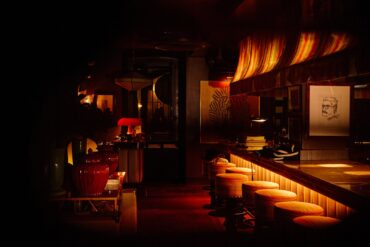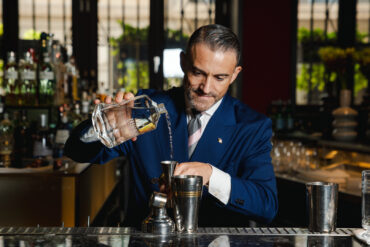

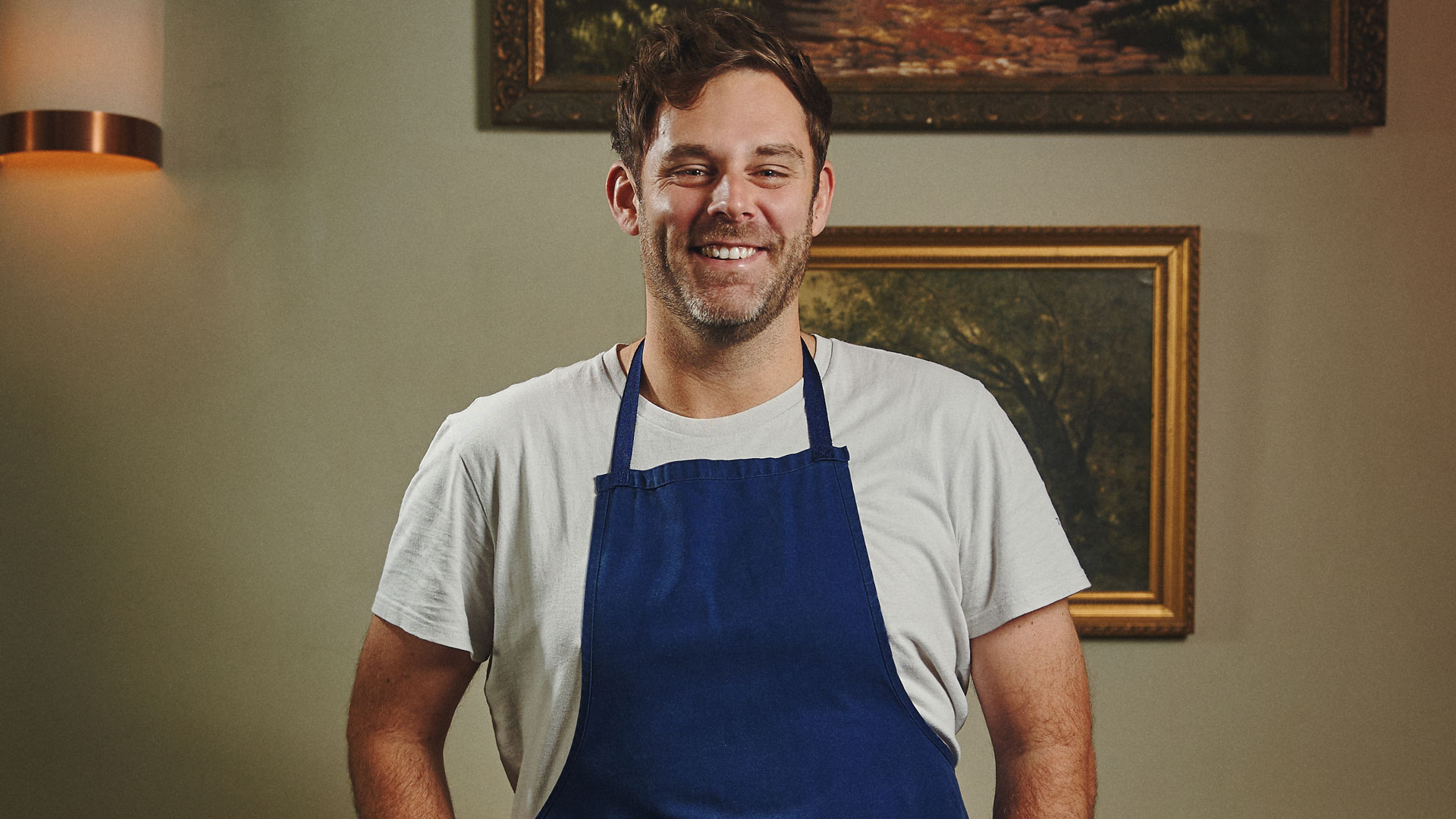
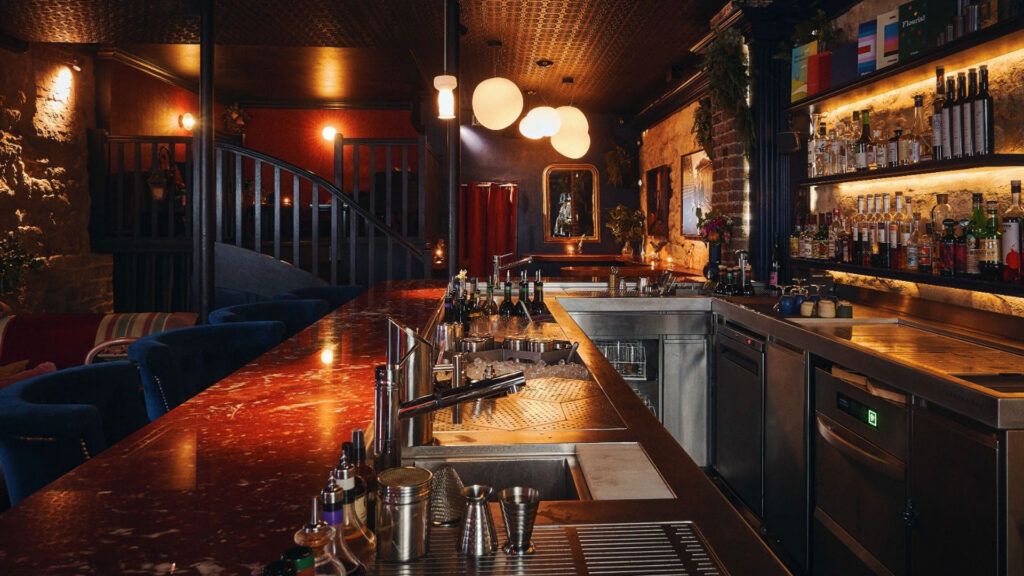
Paris, Le Marais. By early afternoon, the red awnings at The Cambridge Public House are already open to the street, and they stay that way until late. Through the tall windows, you glimpse low tables, a dark wood bar, a few pints already poured, cocktails making the rounds, and guests hovering somewhere between the room itself and Rue de Poitou. Even after landing on The World’s 50 Best Bars list and becoming the world’s first independent bar to earn B Corp certification, The Cambridge still feels exactly what its founders intended: a neighbourhood pub, just with better drinks. The bar opened in 2019, founded by Hyacinthe Lescoët and Hugo Gallou after years spent working in London.
How The Cambridge Public House Defines Hospitality
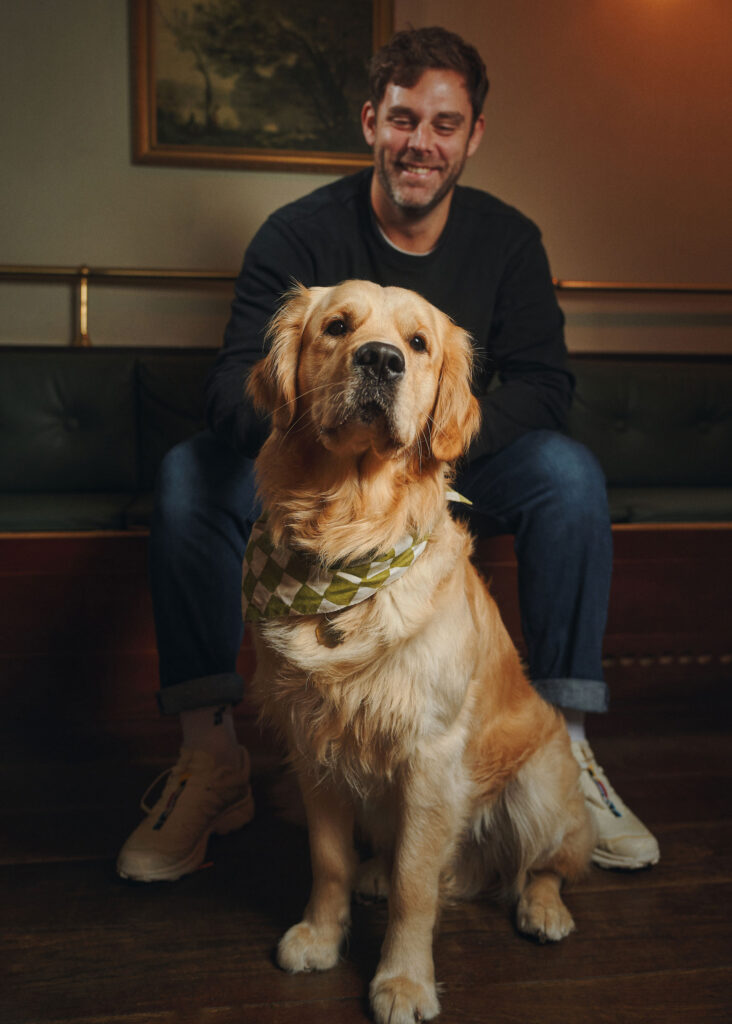
“We’ve always loved the English pub model,” Lescoët says. “Paris didn’t really have that kind of place.” That distinction matters. The Cambridge was never conceived as a destination cocktail bar dressed up as a pub. The social dimension came first. “Historically, the pub was the centre of community life. It was where people gathered, where relationships were built. That idea of openness and hospitality was what attracted us.”
B Corp Certification: A Commitment to Sustainability
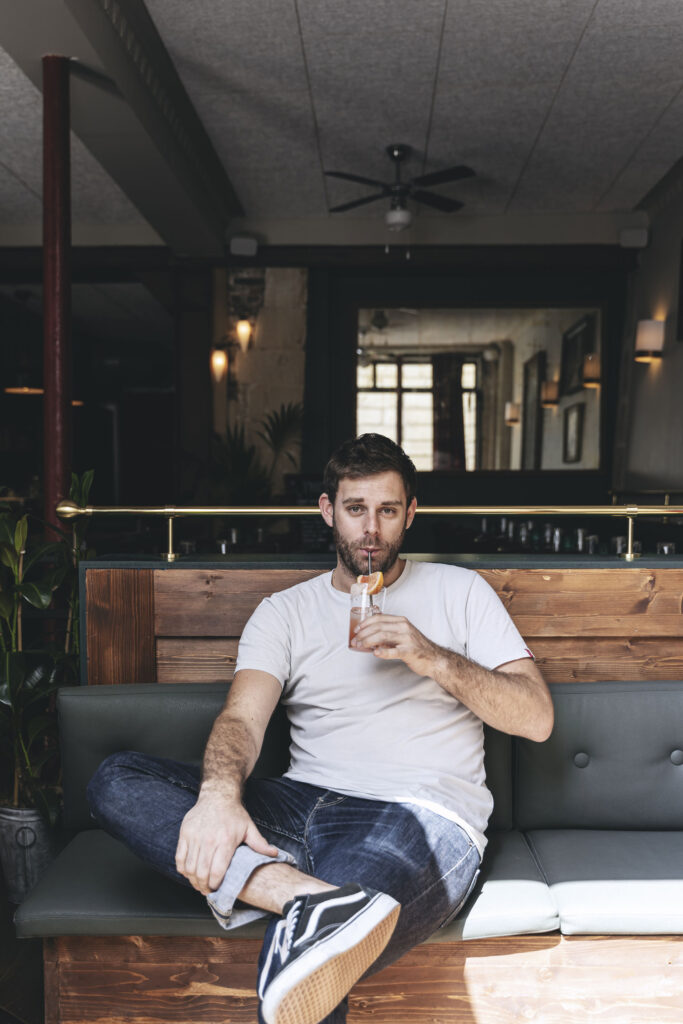
Then came responsibility, though Lescoët is careful with the vocabulary. Sustainability, he suggests, has become so overused it risks meaning almost nothing. “We try to be responsible toward the planet, toward the people we work with, toward the neighbourhood, and toward the business itself. What separates genuine commitment from marketing is transparency. If you can’t measure what you’re doing, then it’s just storytelling.” That pragmatism explains the way Cambridge approached its B Corp certification in 2024. For Lescoët, it was never about collecting a badge. “Becoming B Corp certified doesn’t mean you’ve arrived. It means you’ve committed to getting better. Every three years, the standards go up. That’s the whole point.” Inside the bar, that philosophy plays out in highly practical ways. Waste is weighed. Composting is monitored with an external partner. Last year, the venue reached full compost-quality compliance.
Hyacinthe Lescoët on Sustainable Cocktails
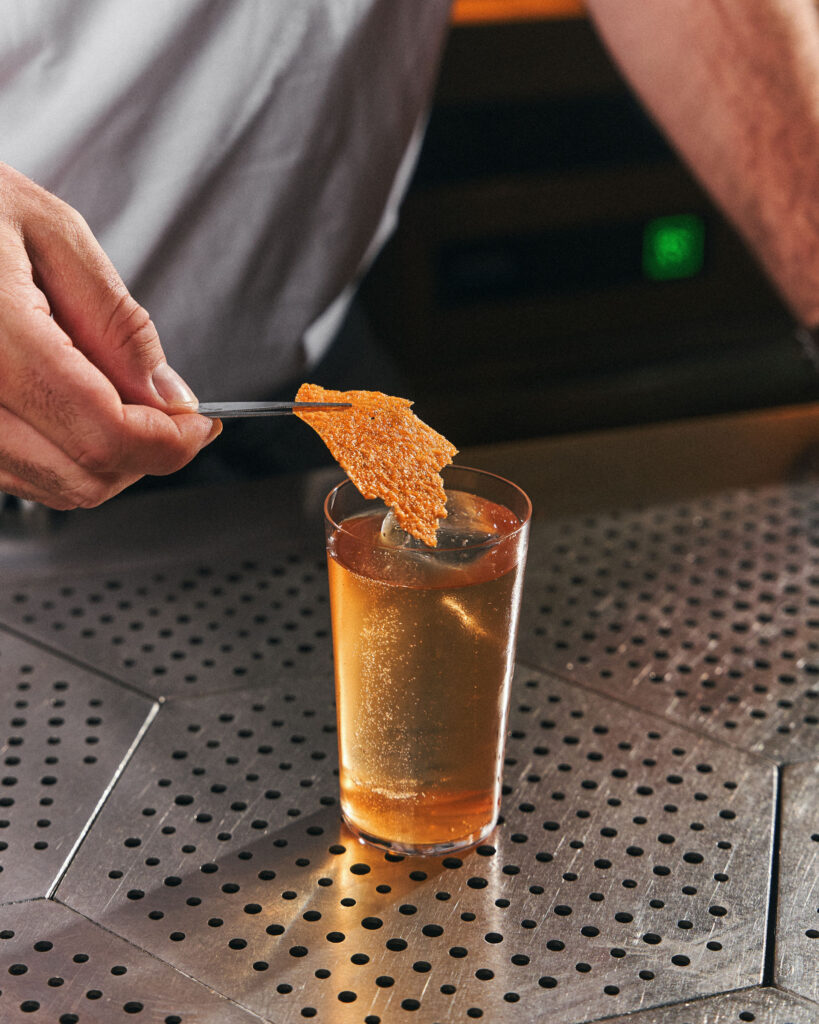
The drinks program follows the same logic: a rotating Cocktail of the Week is often built around ingredients that might otherwise be discarded. “Soul Surfing”, for example, repurposes leek tops usually destined for compost. The kitchen uses the white stalk; the bar works with the greens, turning them into a Martini-style cocktail. “Distant Echo”, a riff on a Clover Club, extracts syrup from red berries, then uses the leftover solids to infuse manzanilla and vermouth before dehydrating what remains into garnish powder. “What others see as waste, we see as raw material,” Lescoët says. “It reduces costs, yes, but it also creates better stories.”
Hyacinthe Lescoët on the Value of the Local Community
And yet, for all the operational rigor, he always brings the conversation back to people. “Responsibility starts with the immediate circle: your team, your neighbours, your local community. Only after that can you start talking about global impact.” That explains why The Cambridge still insists on calling itself a neighbourhood bar, despite its international profile. “If you depend only on global recognition or international guests, you’re vulnerable.”
Projects for Industry Professionals
That same people-first thinking led to one of the group’s most meaningful side projects: a running club originally launched as a fundraiser for children’s education, later reimagined as a wellness initiative for hospitality workers. “For years, bartenders only met around alcohol. We wanted a different context.” The group now meets regularly in the mornings to run, followed by coffee and pastries offered by The Cambridge. “That’s when real conversations happen. You start to understand if someone is struggling — with stress, addiction, emotional fatigue. Those moments create genuine connection.” More recently, the team launched Shaken Leaf, a collaborative platform where hospitality professionals can exchange sustainability practices, ideas and recipes. It’s growing slowly, Lescoët says, but deliberately. That same philosophy now extends to Little Red Door, the Paris cocktail bar brought under the same management umbrella two years ago. Different venues, same operating principle: less interest in labels, much more in people.
The article first appeared on Coqtail – for fine drinkers. Order your copy here
Images courtesy The Cambridge Public House