
In the debate surrounding the quality of mixed drinks, proportion is often reduced to a technical matter: correct measurements, balance between sweetness, bitterness and acidity, recipe replicability. But is that enough? In reality, it is not. In the 21st-century bar, what is identified as “proportion” has become a far broader factor, encompassing organization, service, spatial design and time management. It is a transversal element that directly affects both the guest experience and operational efficiency.
Proportion as a Tool for Governing the Entire Process
In recent years, the growing complexity of work behind the counter has made it clear that knowing how to measure a cocktail is only one part of a larger whole. Rising guest expectations, pressure on margins, and the need to guarantee consistency of service and a recognizable identity have prompted many operators to reconsider what it truly means to perform well today. Proportion therefore re-emerges as a tool for overseeing and governing the entire process.
Balance in the Cocktail
From a product standpoint, proportion first translates into balance. Cocktails that endure over time are those built to be legible, accessible and coherent. Steering clear of aromatic extremes, excessive strength, or drinks designed purely to impress delivers an experience bartenders describe as repeatable and reliable. Proportion thus becomes a technical choice that protects both guest and bar, reducing variability and margins of error.
Proportion in the Management of Space and Time in the Bar
Yet proportion does not concern only what is in the glass. One of the areas where the theme becomes most evident is spatial management. Capacity, guest flow, the distance between bar and patron, length of stay: these variables directly shape service quality. Filling a venue beyond a certain threshold may increase short-term revenue, but often compromises the overall experience. In this case, proportion coincides with the ability to stop before that point.
Time is another central element. Today, value in hospitality lies less in speed than in timing. Reading the rhythm of the evening, understanding when to step in and when to leave space for the guest, or managing waiting times, requires skills that extend beyond technique. Time becomes a resource to administer carefully: proportion serves to transform it into perceived value.
Training Bar Professionals and Managing the Team
And there is more. Training is one of the areas where a sense of proportion proves decisive. Programs built on solid foundations and developed progressively allow professionals to work consistently across contexts, from high-volume bars to hotel bars. In this setting, proportion distinguishes moments for experimentation from those for consolidation. It is what turns individual competence into a shared method, making knowledge transferable and results reproducible.
Ultimately, proportion concerns people. Sustainable teams, clearly defined roles and respected expectations enable professionals to withstand the pressure of a sector in constant acceleration. Calibrating responsibilities, workloads and guest interaction has become an increasingly relevant managerial skill. Once again, finding the right measure is essential for the bar world. As it is in life.
The article first appeared on Coqtail – for fine drinkers. Order your copy here
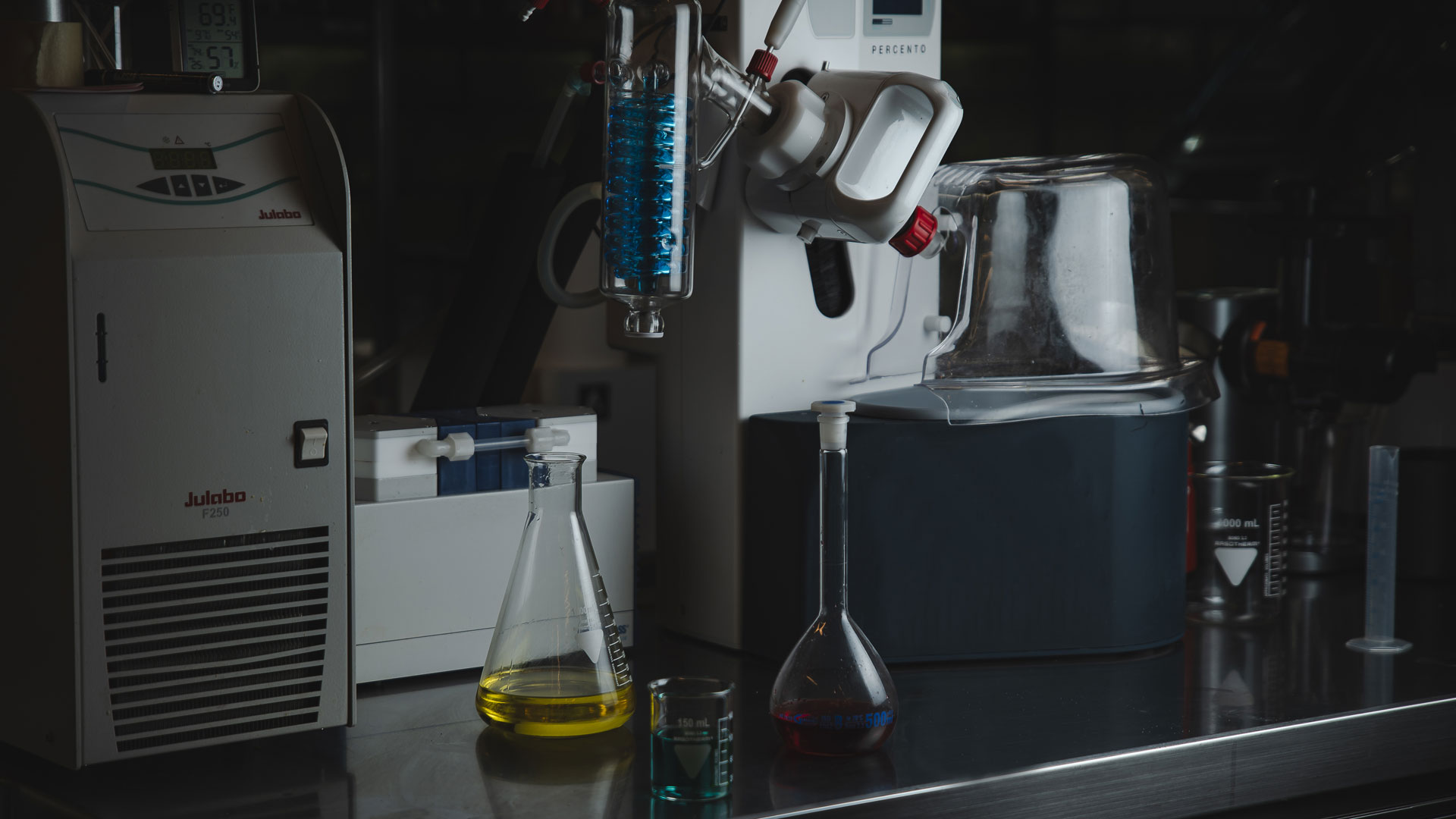
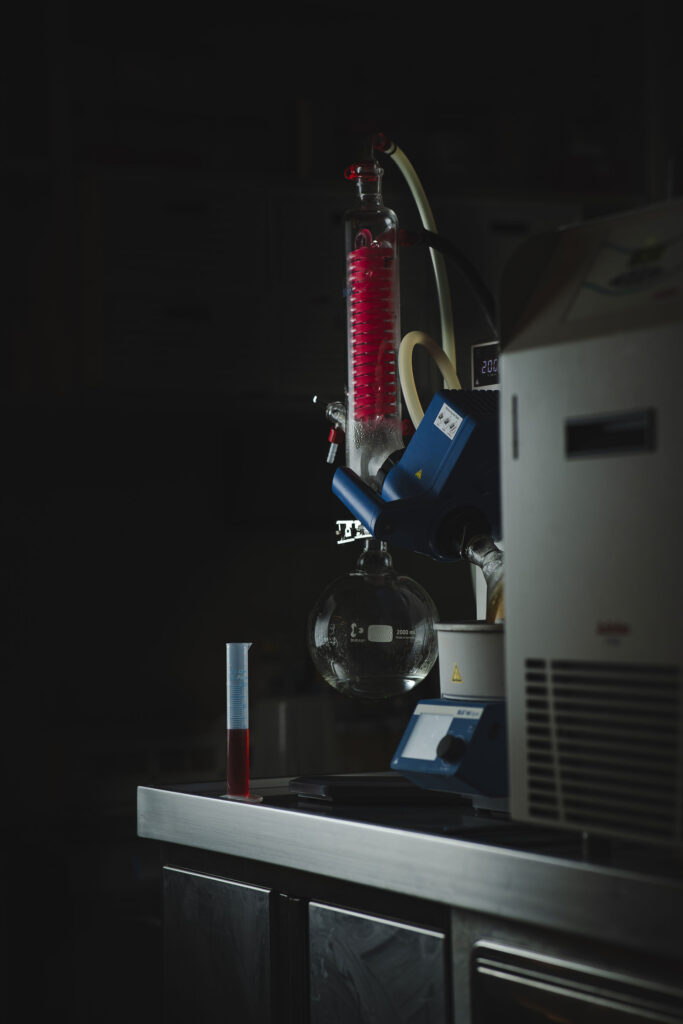
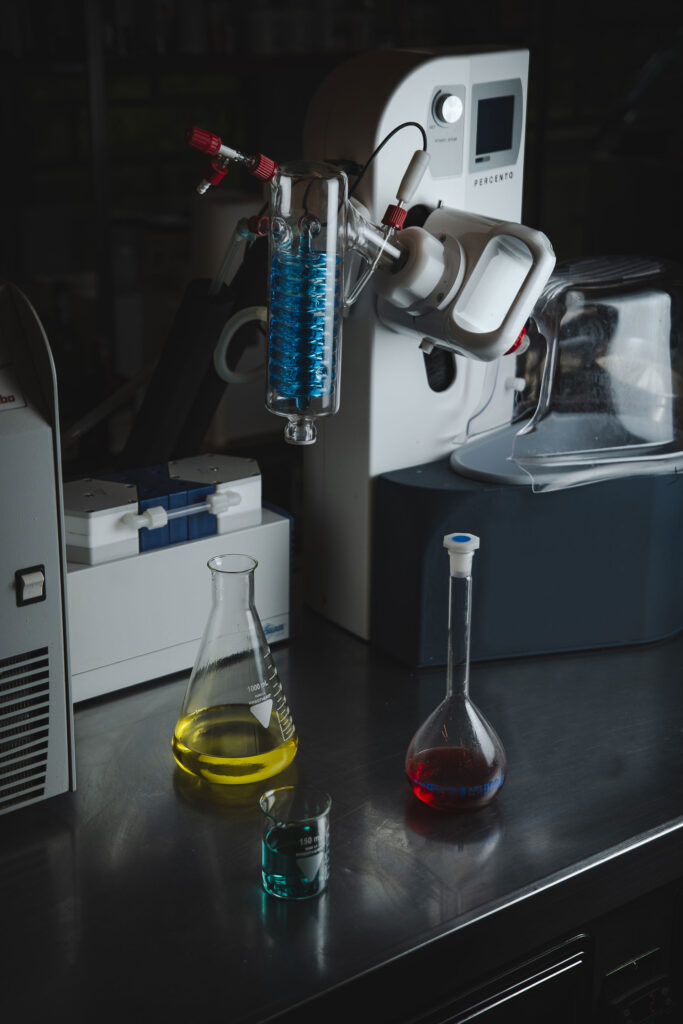
Photo by Emanuel Florentin x Coqtail, location Percento Lab, Milano. All rights reserved