
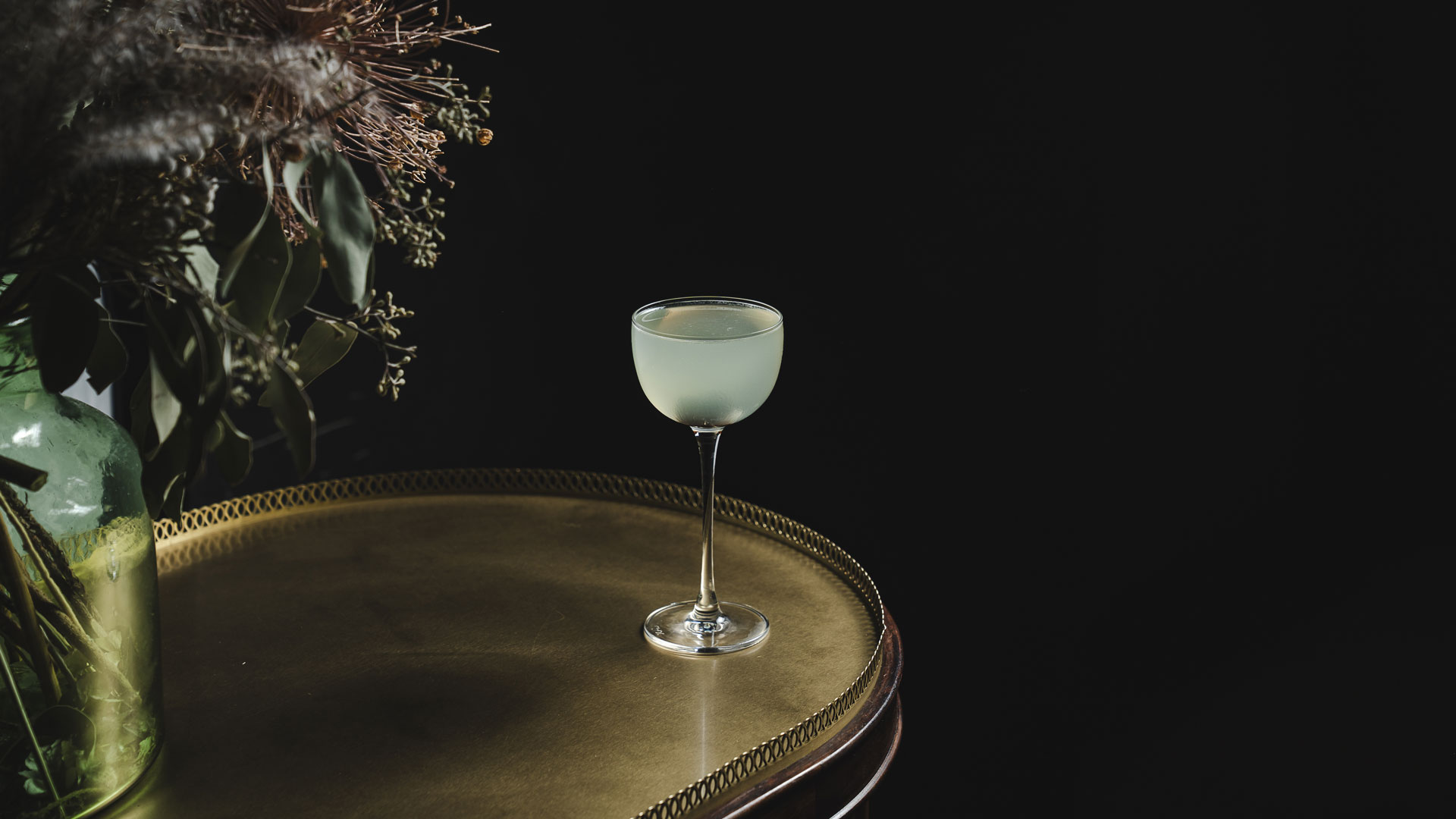
Why bother talking about the Spring Feeling if hardly anyone cares? For one, indifference does not always last forever. Then there is the simple fact that it is a genuinely good drink, as confirmed by some of the leading figures of the cocktail renaissance. And finally, it can be seen as the twist on another forgotten cocktail that has enjoyed a recent revival: the Last Word. Perhaps that connection will eventually help Spring Feeling find its audience. Then again, the Last Word may be precisely the problem — a rival that has always stayed one step ahead.
The Story of Spring Feeling Does Not Begin in 1930
Everything begins in 1930, though that date is hardly a true beginning. At the time, American cocktail culture was living through one of its darkest chapters. Prohibition had attempted to curb alcohol consumption and failed spectacularly. People kept drinking, in some cases more than before, though the quality of cocktails had collapsed, and bartending had lost much of its dignity and authority. A bleak moment.
Among the leading bartenders of the era was Englishman Harry Craddock, who had built his reputation in the United States before packing his bags and returning home when Prohibition took hold. Back in Britain, he joined the team at the American Bar at London’s Savoy Hotel, where he became one of its defining figures.
In 1930, he published the now legendary The Savoy Cocktail Book. It is in those pages that the Spring Feeling recipe appears for the first time. That does not mean the cocktail was born in that moment, nor that Craddock invented it.
Spring Feeling’s Hazy Origins
The Savoy Cocktail Book is a compendium of recipes—750 in total. Some were created by Harry Craddock, most were not. Some were relatively recent in 1930; others already belonged to an earlier era. There is no reliable way to determine exactly where Spring Feeling belongs, partly because Craddock’s book was written for industry professionals. It lists ingredients, proportions, and methods, though offers little context about the origins or authorship of the drinks themselves.
The prevailing view among cocktail historians is that Spring Feeling was not created by Craddock. As for when it first appeared, the Prohibition years remain the most plausible period, if only because of its close relationship with the Last Word. Beyond that, certainty disappears.
Spring Feeling: Forever a Niche Drink?
Many historians also agree that Spring Feeling occupied a niche even at Harry Craddock’s American Bar, often eclipsed by the Last Word — a closely related recipe, though softened by the addition of Maraschino.
When the Last Word was rediscovered in the mid-2000s, Spring Feeling returned to view as well. Ironically, its position remained secondary, chosen at times as an alternative to its more famous relative, yet never fully stepping out from its shadow.
That remains true despite praise from major cocktail voices such as Ted Haigh and Gary Regan, both of whom admired its sharp, refreshing character. Will its moment ever come? No one knows.
The Spring Feeling Recipe
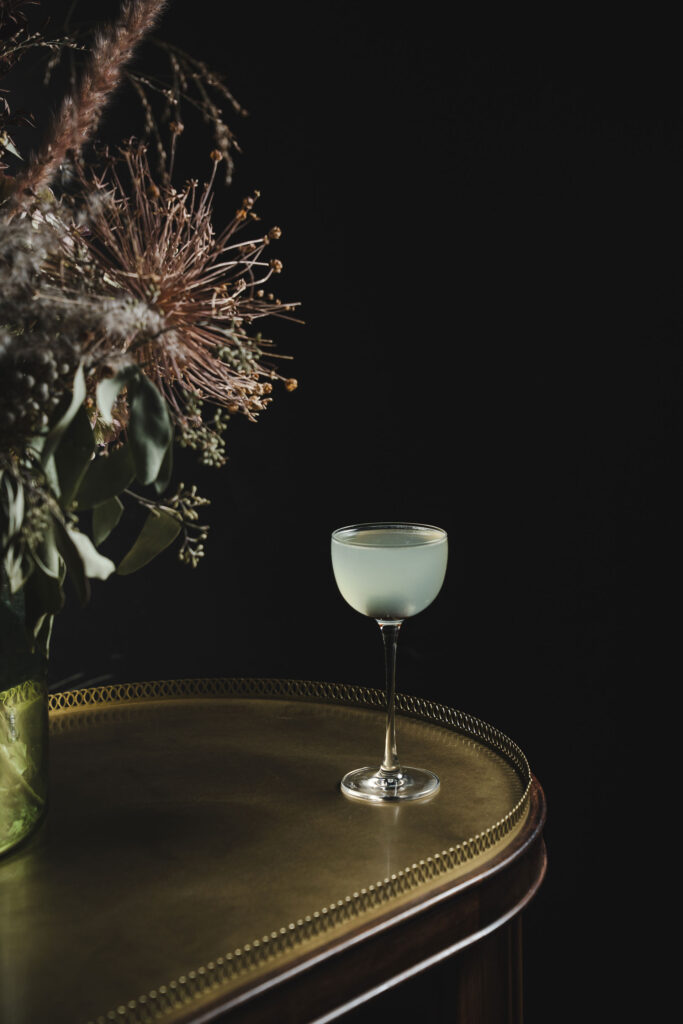
Below are the proportions as they appear in The Savoy Cocktail Book.
Ingredients
• 45 ml gin
• 22.5 ml green herbal liqueur
• 22.5 ml freshly squeezed lemon juice
Method
Add all ingredients to a shaker filled with cubed ice. Shake hard — as though trying to push Spring Feeling out of its niche — then strain into a pre-chilled cocktail glass.
Garnish
None.
Photo by Emanuel Florentin x Coqtail, location Sogni Milano – all rights reserved