
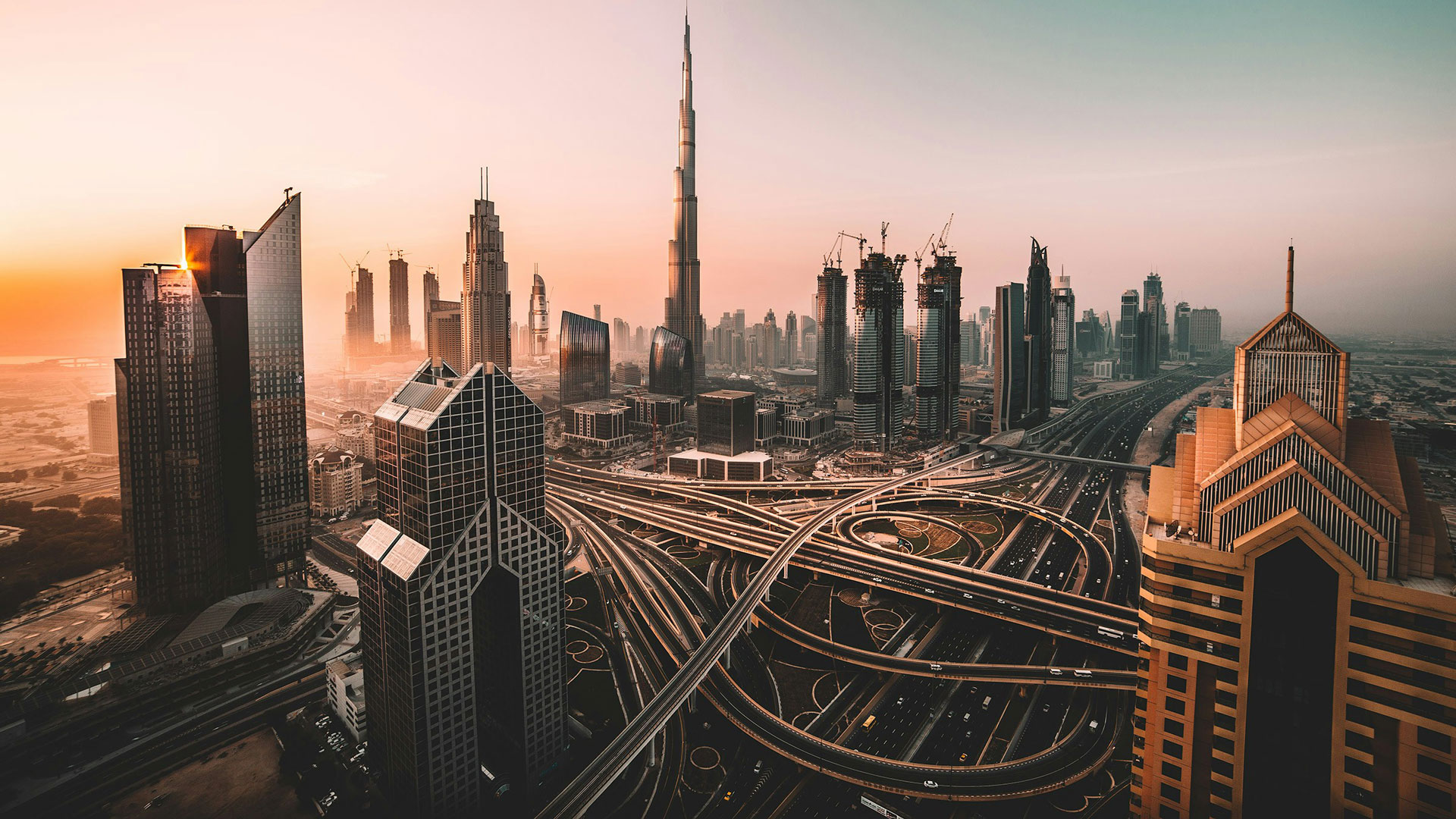
Dubai is still working, though at a different pace. Traffic remains heavy, while some venues still sit in darkness. Two months after the first Iranian missile strike, the city has absorbed the shock and recalibrated its priorities once again. Because in Dubai, the system does not stop, it adjusts.
As international demand and bookings have dropped sharply, part of the hospitality industry has used this moment to intervene physically, launching renovations and rethinking spaces. Others have chosen to remain operational, supported by a more selective resident clientele still willing to experience the city during this phase. Here, the perspectives of Francesco D’Arienzo, Francesco Galdi, and Angelo Immorlano.
What’s Happening in Dubai
Dubai has slowed, though the shift is less visible on the roads than in the half-empty hotel corridors and the unoccupied tables across restaurants and bars. Since late February, and in light of the latest developments in the U.S.-Israel-Iran conflict, the drop in international demand has intensified, putting significant pressure on the sector, which has responded with different strategies depending on the business.
According to CoStar data, occupancy fell to 36.2% in March, compared with 71.4% during the same month the previous year. Armani Hotel Dubai, Jumeirah Burj Al Arab, Atlantis The Palm, Park Hyatt Dubai, and St. Regis Dubai introduced temporary closures or partial suspensions to carry out interventions involving guest rooms, public areas, and food and beverage operations. Other groups remained active, focusing on shift optimization and openings in different locations to distribute operational risk. The picture emerging from first-hand testimony is one of an industry under pressure, yet still moving.
A City in Suspension
“Dubai is still moving, but the energy has changed. On the surface, everything looks normal, but there’s a quieter tension that’s harder to explain,” says Francesco D’Arienzo, Bar Manager of Blind Tiger, currently working at Jumeirah Capri Palace Hotel for the summer season.
From his perspective, the initial impact was felt above all in perception—in the way residents and operators experience daily life.“Hospitality has slowed dramatically. International tourism has almost come to a standstill,” he says.
Nightlife reflects the same shift. Guests still go out, though the crowd is overwhelmingly local. “People still go out, but with a different awareness,” D’Arienzo explains. Choices have become more deliberate. Familiar venues offer reassurance; guests gravitate toward places where they feel comfortable. Conversations have changed as well, carrying less lightness and a stronger desire for genuine connection.
“People want to switch off completely,” says Francesco Galdi, corporate operations & beverage manager at Buddha-Bar Worldwide. For that reason, the war rarely comes up directly. “Honestly, clients hardly talk about it. It’s almost taboo,” says Angelo Immorlano, bar manager of Nobu and Nobu by the Beach.
Who Closed and Who Adapted
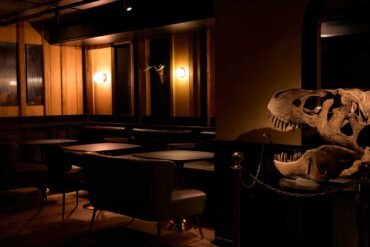
The slowdown has already translated into operational decisions. “Blind Tiger is temporarily closed,” D’Arienzo says. “It’s a forced pause, but a necessary one.” Other venues remain open while adapting service models.
“Some colleagues made the same decision, others stayed open. In our case, the company is moving us across different hotel outlets for support and staff rotation, so everyone has an equal opportunity to complete their minimum working hours.”
Operational management remains central. “Immediately after the February 28 attacks, we opened discussions with our regional partners, carefully assessing the risks and potential benefits of different operational choices,” says Galdi. “In Abu Dhabi, the group’s four restaurants are currently open, and one in particular continues to perform very strongly. In Qatar, we reopened after the end of Ramadan, while in Bahrain operations resumed just days after the first attacks. Ras Al Khaimah, the emirate to the north, has also delivered solid performance. We are closely monitoring the situation in Dubai and remain confident that our three venues in the city can reopen, provided the environment remains stable.”
An Industry Facing the Pressure
One point is clear: the sector has taken a significant hit. “Enormously, and there’s no sense hiding that behind surface-level optimism,” Galdi says, reflecting on the broader impact across Dubai. Spring is a crucial period for hospitality revenue, and a slowdown at this stage creates complications for the months ahead.
“The repercussions could extend at least through the end of September, with the hope that an effective diplomatic response arrives sooner. Covid taught us to build oxygen reserves into business models.”
On the ground, that translates into daily operational reshuffling. “I spend most of my time at the computer changing everyone’s schedules. We have too many people and business has dropped,” says Immorlano.
Teams have become more fluid, with roles expanding well beyond their formal scope. “The team is doing a bit of everything—from plumbing to carpentry to kitchen support.” Within that context, some companies have maintained a firm position. “We’re one of the few businesses that hasn’t implemented salary cuts, and that matters.”
Dubai’s Next Chapter
Looking ahead, expectations vary. “My view is that it will take at least six months, maybe a year, to get back to where we were. I don’t expect business to improve before October. Right now, we have to wait,” says Immorlano. D’Arienzo takes a broader view.
“Dubai has always shown an extraordinary ability to adapt and restart. It will happen again.” Galdi agrees. “There may be consequences, certainly. But Dubai remains one of the world’s key financial, tourism, and technology hubs. The world passes through here — and it will continue to.”
Photo by Emanuel Florentin x Coqtail – all rights reserved; credits Antonio Galdi