
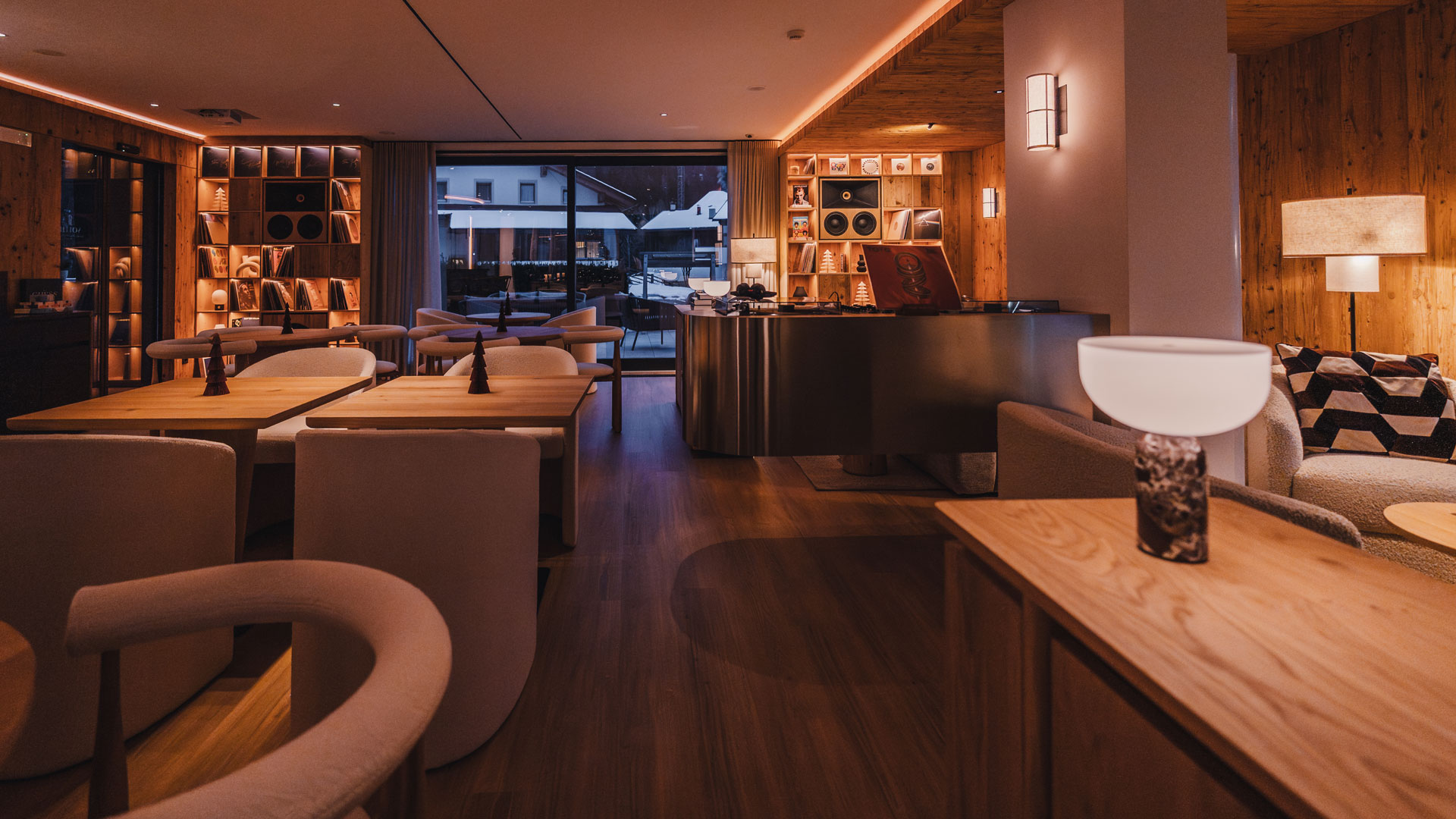
Cocktails are typically tasted, sometimes admired, rarely heard. Almost never. And yet at B-Side, a listening bar in Alta Badia, that hierarchy is quietly overturned. Its drink list, Frequency Menu, draws a direct line between sound frequencies and mixology, turning vibration into flavor.
A menu tuned to vibration
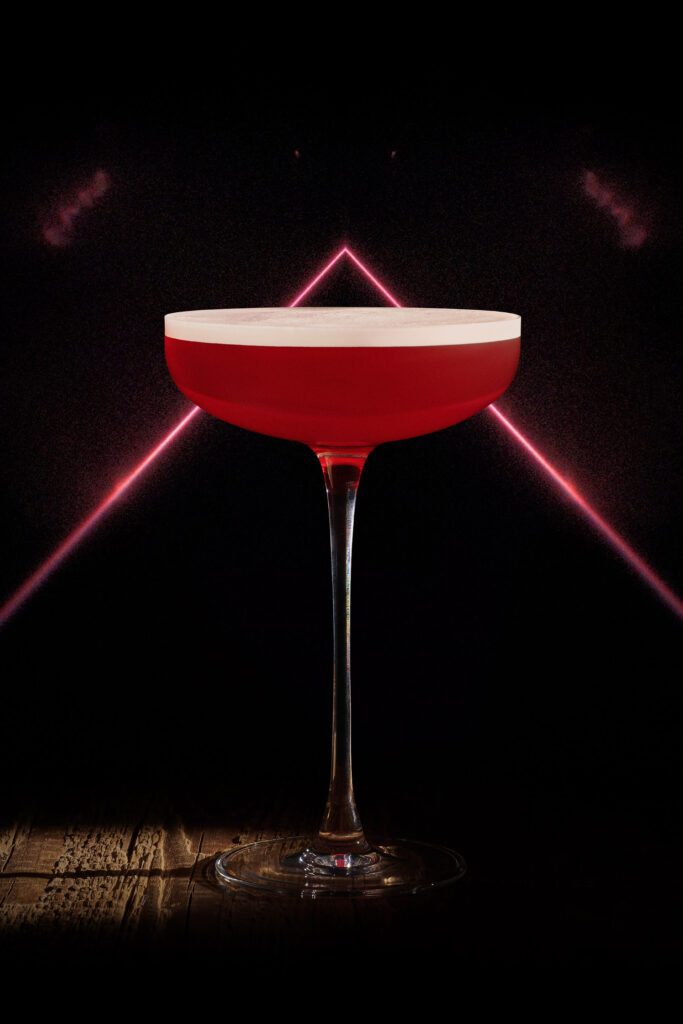
Frequency Menu is structured around specific frequencies, measured in Hertz. A brief refresher: frequencies—vibrations—produce sound, then notes, then music. Lower frequencies generate deeper tones; higher ones move toward brightness and lift; in between lies the full spectrum. Each frequency carries distinct qualities—depth, tension, luminosity. Lower ranges suggest density and stability, while higher ones introduce energy and light. Mid-range frequencies tend to express balance and warmth.
From sound to structure
The idea at B-Side is to translate these sonic qualities into a liquid language: acidity, sweetness, bitterness, structure, texture. Because frequencies create a physical experience—long explored in ritual and movement—the drinks aim to channel that same sensation through taste. It is less about pairing music and cocktails, more about aligning two systems that share a common grammar.
Cocktails you can listen to
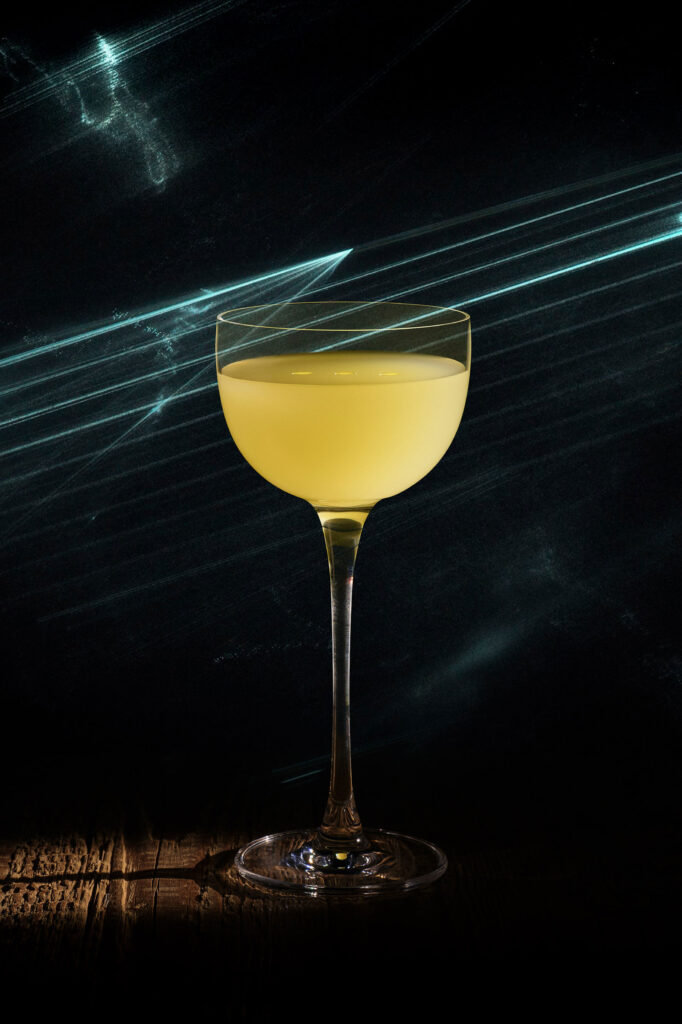
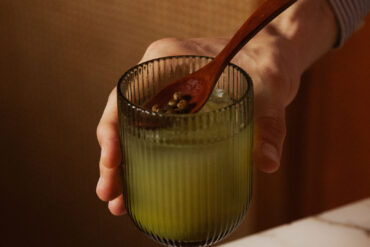
The Frequency Menu unfolds from low to high, across nine signatures, each tied to a specific frequency.
It opens with 111 Hz, grounded and dense, built on tequila, mezcal and barrel-aged vermouth. Then 174 Hz, structured around bourbon, chocolate bitters and date syrup, followed by 210 Hz, softer in tone, with orchata, vanilla essence, rice milk and almond milk.
The progression continues with 285 Hz—falernum, liqueur, citric acid and orange bitters—then 320 Hz, where honey water meets chamomile soda and lemon juice. At 396 Hz, cognac, vodka and orange bitters come together in a more assertive composition.
Higher up, 528 Hz introduces gin, yuzu and sugar syrup; 741 Hz pairs pisco with guava; and 852 Hz closes the sequence with tequila blanco, pear and wasabi.
Each cocktail is linked to a QR code, allowing guests to hear the corresponding frequency while drinking—creating a direct exchange between sound and palate.
An alpine Hi-Fi listening bar

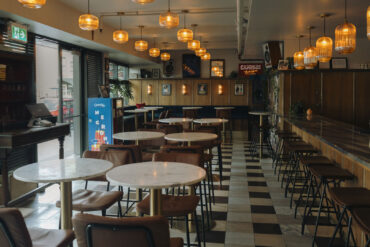
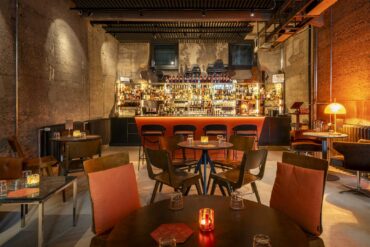
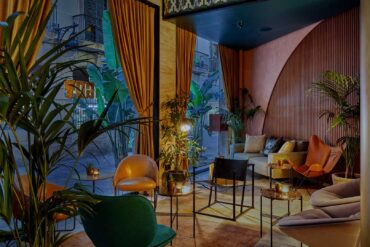
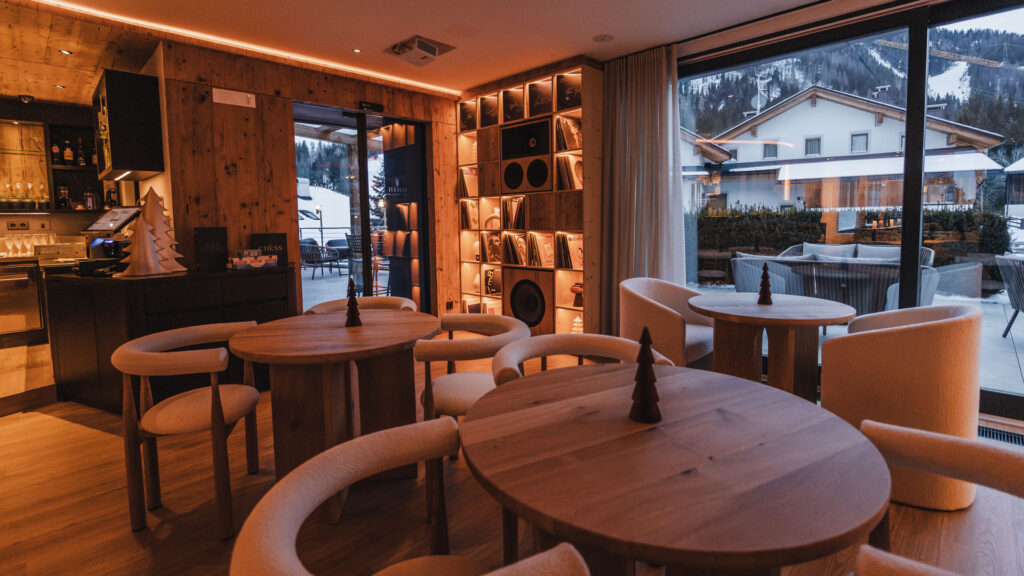
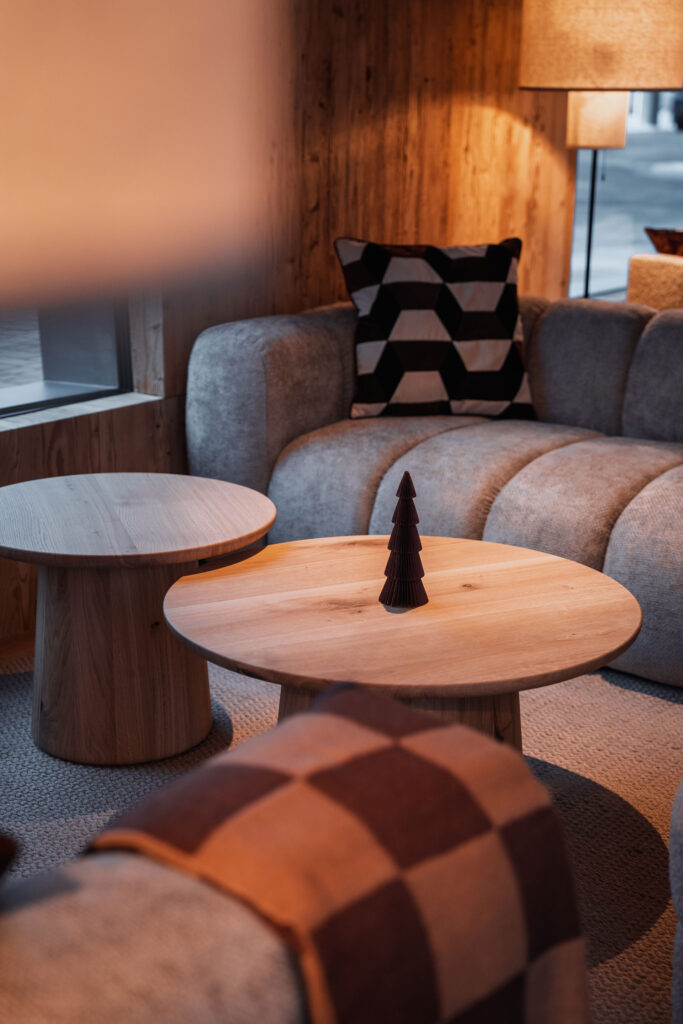
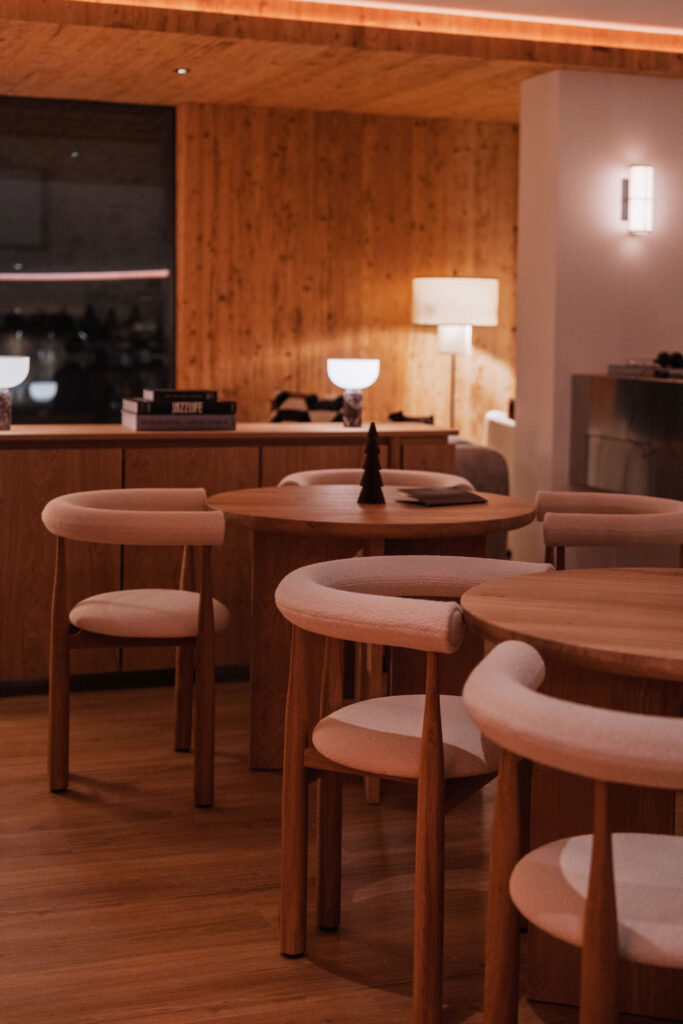
B-Side opened on December 5, 2025, in La Villa, a resort town in Alta Badia framed by the Dolomites. It is the personal project of founders Christopher Sanchez and Emanuela Pezzei, shaped around a restrained material palette of wood, stone and warm lighting.
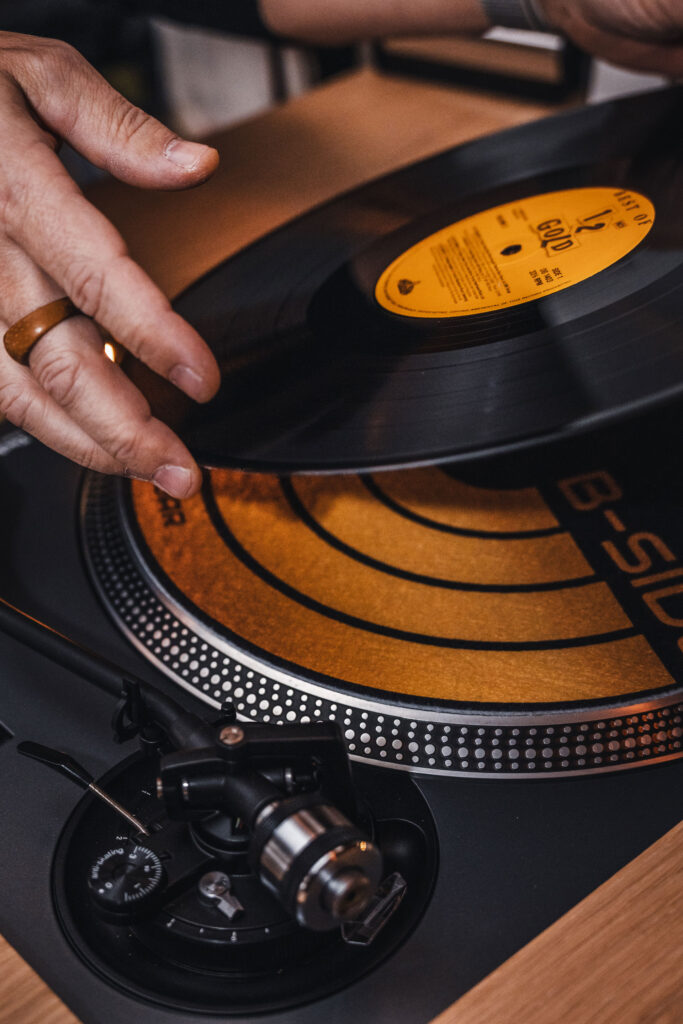
At its core is a custom-built Hi-Fi system designed for attentive listening without overwhelming conversation. The record collection is entirely vinyl, a nod to Japanese jazz kissa culture, spanning genres from Aretha Franklin to Daft Punk, from soul and jazz to electronic and rock.
The bar regularly hosts curated listening sessions—Sanchez and Pezzei are quick to note they are not DJs—alongside collaborations with leading names in the global cocktail scene, including the team from Paradiso in Barcelona.
“B-Side started from the idea that a place can make you feel better not because it is luxurious, but because it is authentic,” says Sanchez. Pezzei adds, “Alta Badia has a natural rhythm that invites you to slow down. With B-Side, we wanted to create a space that respects that rhythm and translates it into a contemporary experience.”
Images courtesy B-Side