
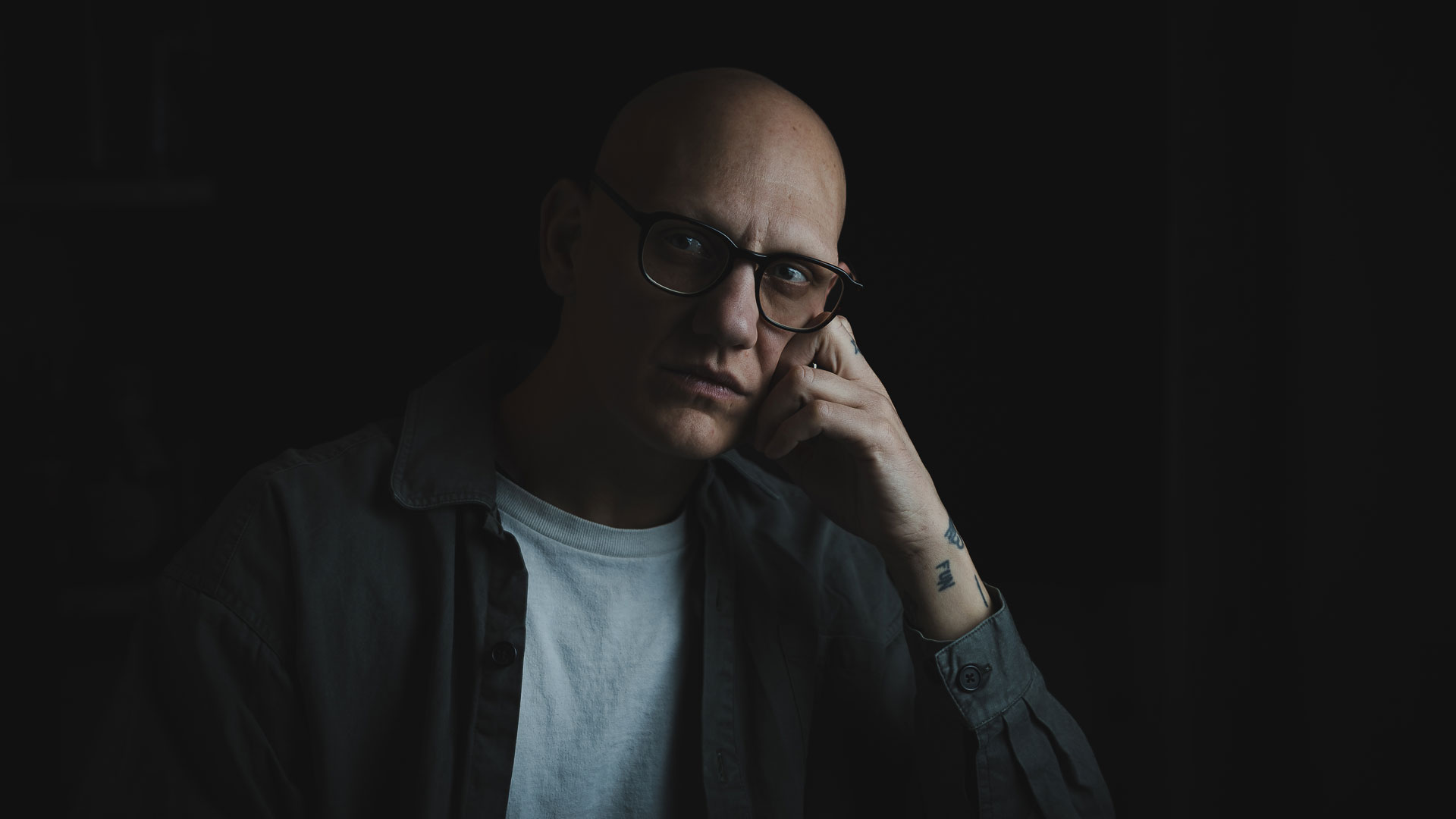
Alberto Blasetti is one of Italy’s most acclaimed photographers in the world of food, hospitality and the bar industry. He has developed a distinctive style capable of turning every image into a story: here is how his photographic vision came to life.
Photography According to Alberto Blasetti
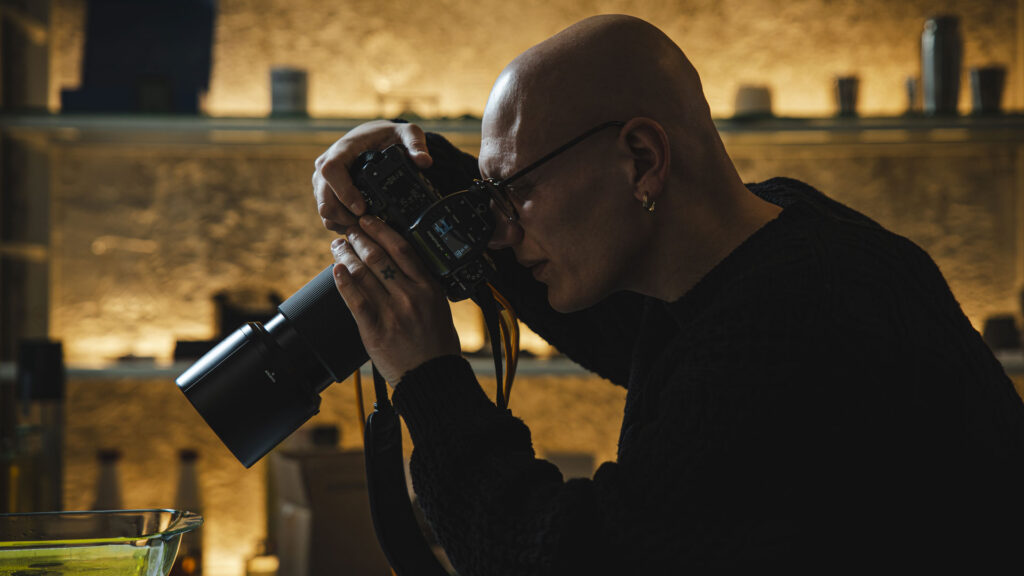
Photography is like a cocktail: it demands a precise balance of technique and sensitivity, aesthetics and ethics, rigor and flair, proportion and instinct, restraint and vision, materiality and imagination.“When you take a photograph, you have to be deeply aware not only of what you intend to show, but also of what you allow to be glimpsed,” says Alberto Blasetti.
“What you frame matters. But what you exclude, what you imply, what you let the viewer sense or imagine, is just as crucial. A detail can conjure an entire place; a shaft of light can suggest the presence of a window. What remains partially unsaid becomes part of the narrative. The missing piece is what engages the person on the other side, telling a story that extends well beyond the frame. That’s how a dish, a portrait, a drink becomes something else — and says something more.” Blasetti delivers this credo calmly, with conviction. Born in 1986, he grew up in Massa d’Albe, a small town in the province of L’Aquila at the foot of Monte Velino. He now lives in Rome.
Dreams, Discipline, and Determination
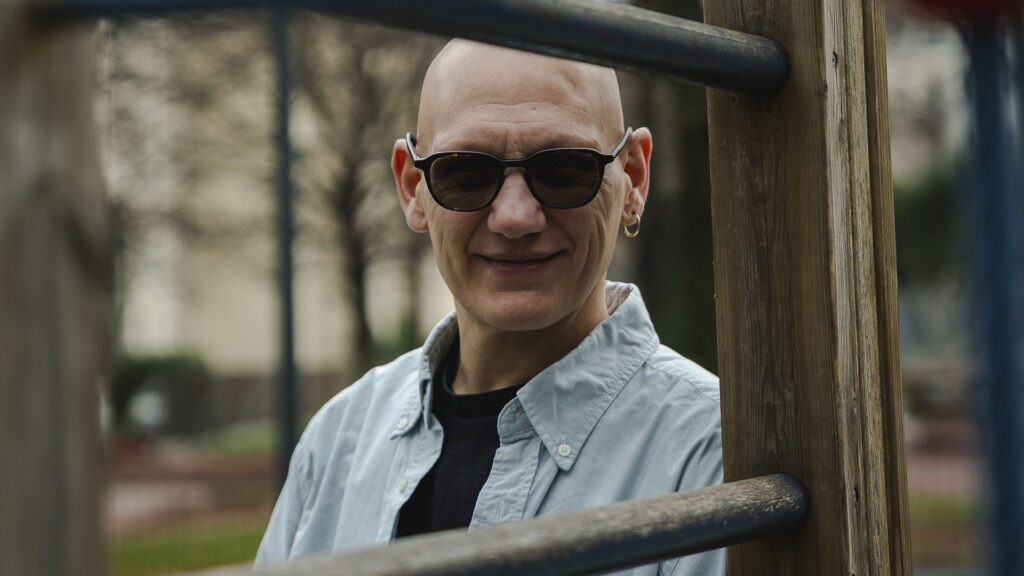
“I attended a classical high school, fueled by big ideals. But even as a teenager, I knew I would become a photographer. My brother Renzo, who shot for pleasure, encouraged me. The camera felt like the perfect tool — a way to express myself with precision, even though I couldn’t draw. And when I thought about the future, I repeated to myself, almost like a mantra, that I had to endure. I had to resist compromise and the pull of normality.”
Endure he did — and more than that, he made a conscious choice about his direction. His path took him first along the Tiber, then along the Thames, before returning to L’Aquila, where he enrolled in a degree program in philosophy. “Those studies were essential, at least in that they taught me to question everything, to keep asking, to avoid definitive answers, to change my mind, to cultivate a critical spirit — especially toward myself. If Anaximenes defends one idea, Anaximander will always defend another. The one thing I never questioned was my determination to fulfill my dream.”
Alberto Blasetti’s Training Alongside Film Photographers
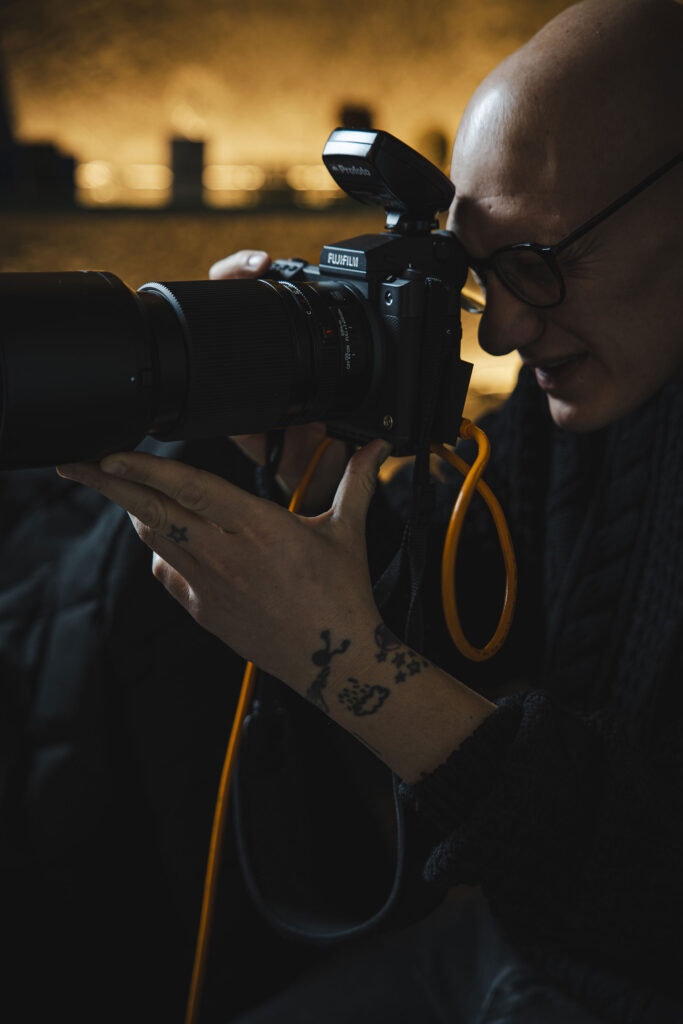
Back in Rome, he encountered what he calls the opportunity of a lifetime: assisting two prominent cinema photographers, Philippe Antonello and Stefano Montano. “I had only ever measured myself against myself and my brother. Suddenly I was measuring myself against them. I watched closely, studied their gestures, absorbed them. It was like the old workshop model of apprenticeship. I learned how to use studio flash, how to construct a set. I learned how to deal with clients.
But for a long time I struggled with feeling inadequate — because I hadn’t followed the traditional academic path of a photographer.” That sense of inadequacy was later countered by recognition — including being named Photographer of the Year in 2019 by Gambero Rosso — and by his sustained, accomplished work in gastronomy, hospitality and the bar industry.
The Value of Creative Constraints
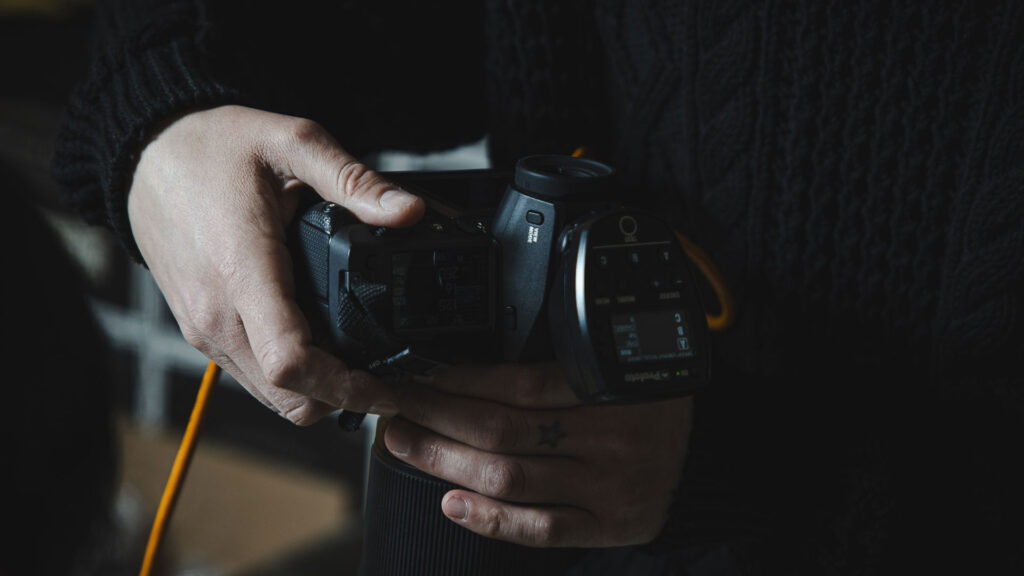
Coqtail among them, a publication that anchors each issue around a defined theme. “My creativity thrives within constraints. Freedom is beautiful, but it can make it harder to find direction. When I’m working within boundaries, I’m forced to find original solutions. Like at L’Ambroisie in Paris. The schedule was upended, and I seized the moment, deciding to shoot high-contrast images with hard light — communicating such a classic restaurant through a more irreverent visual language, closer to my generation.”
Before any reportage or cover shoot, Blasetti prepares — first and foremost in his mind. “I research. I study the person and their world. I read the journalist’s text so I don’t repeat it. I want the writing and the images to add up not to two, but to three. I try to understand the context, to find points of connection and an empathetic way in. That’s why I prefer to arrive early — to speak with the chef or bartender, to see how the counter or dining room operates, to grasp the grammar of the space. Then, when I shoot, something more intensified emerges. Because a photograph is tension, intention, interaction and relationship. It’s a thought that must translate into an image and spark an imagined world.”
Alberto Blasetti’s Photographic Vision
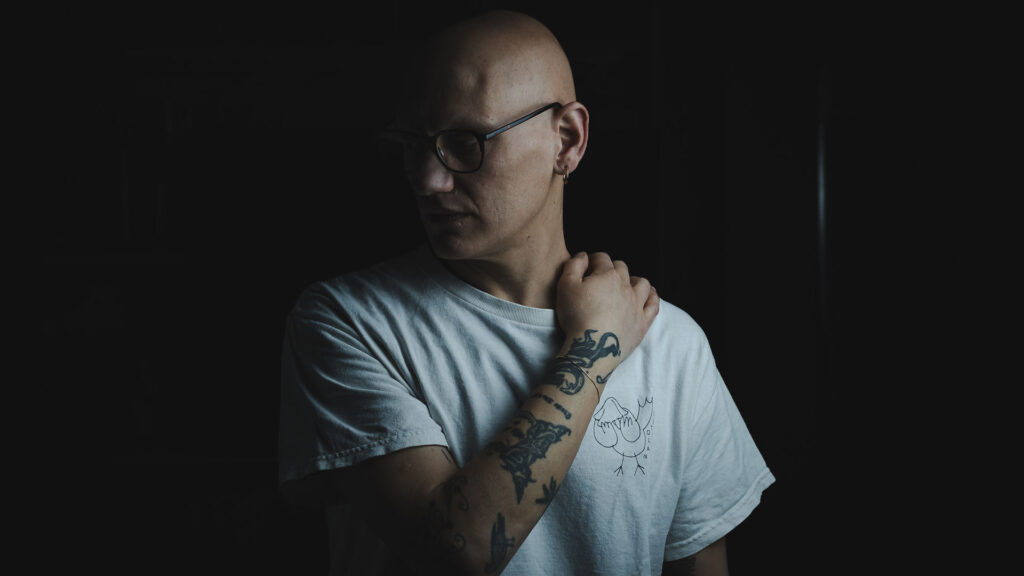
Blasetti’s vision of the visual universe is dynamic and fluid — one in which ego makes room for the other. “I want to place reality at the center, widen my gaze and, in a sense, erase myself. I know that’s impossible. My style, my signature, are always there. Everything you’ve seen, done, felt, touched and heard flows into a photograph. A photograph is who you are, who you’ve been and who you will be. At the same time, you have to keep your eye on the subject, on the material. And you have to know that material deeply. In a dish or a drink, you need to understand which element to focus on. I carry both a technical responsibility and a conceptual one. Only then a photograph can have weight.”
Even if it’s taken on a smartphone. Blasetti remains composed. “I feed on input and stimuli. Instagram — especially before the rise of video and reels — was a proliferation of images, a space for sharing ideas. I still use it, even to distance myself from what has already been done and avoid repeating it. Even bad photographs inspire me — they push me to do something different.”
Family and Future Plans
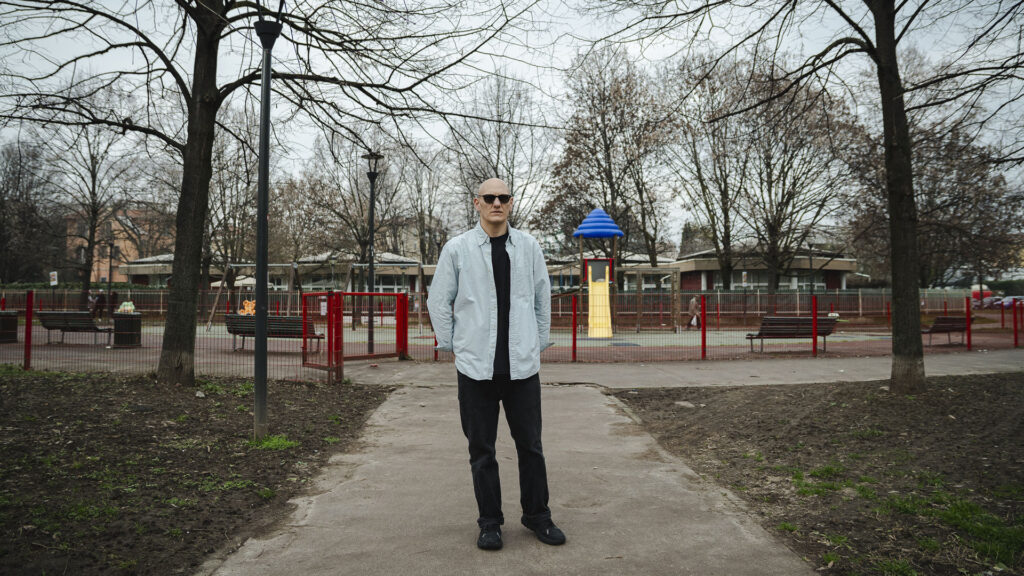
Meanwhile, he has learned to recalibrate the balance between work and private life.“Now that Annalisa and Linda — my partner and daughter — are here, I’ve tried to tip the scale toward them. Real time is the time spent with family.” After teaching at the Istituto Europeo di Design, he is now planning a series of his own courses. “There’s only one thing I haven’t yet tested myself against: a project done entirely for myself.”
The article first appeared on Coqtail – for fine drinkers. Order your copy here
Photo by Emanuel Florentin x Coqtail – all rights reserved