
You can get an energy boost from caffeine, sugar, taurine… and even Jesus. Especially in the United States, where a niche market for Christian-inspired energy drinks appears to be gaining ground.
Christian Energy Drinks: a Difficult to Measure Market
A caveat is necessary. At present, there are no macroeconomic data from established industry sources that make it possible to quantify the size of the Christian energy drink market.
Several major news outlets, however, have identified the niche and reported signs of growth. The Guardian, CNN and International Business Times UK have all covered the phenomenon. None has been able to put a value on the market, in part because Christian energy drinks are not recognized as a standalone category in industry reports.
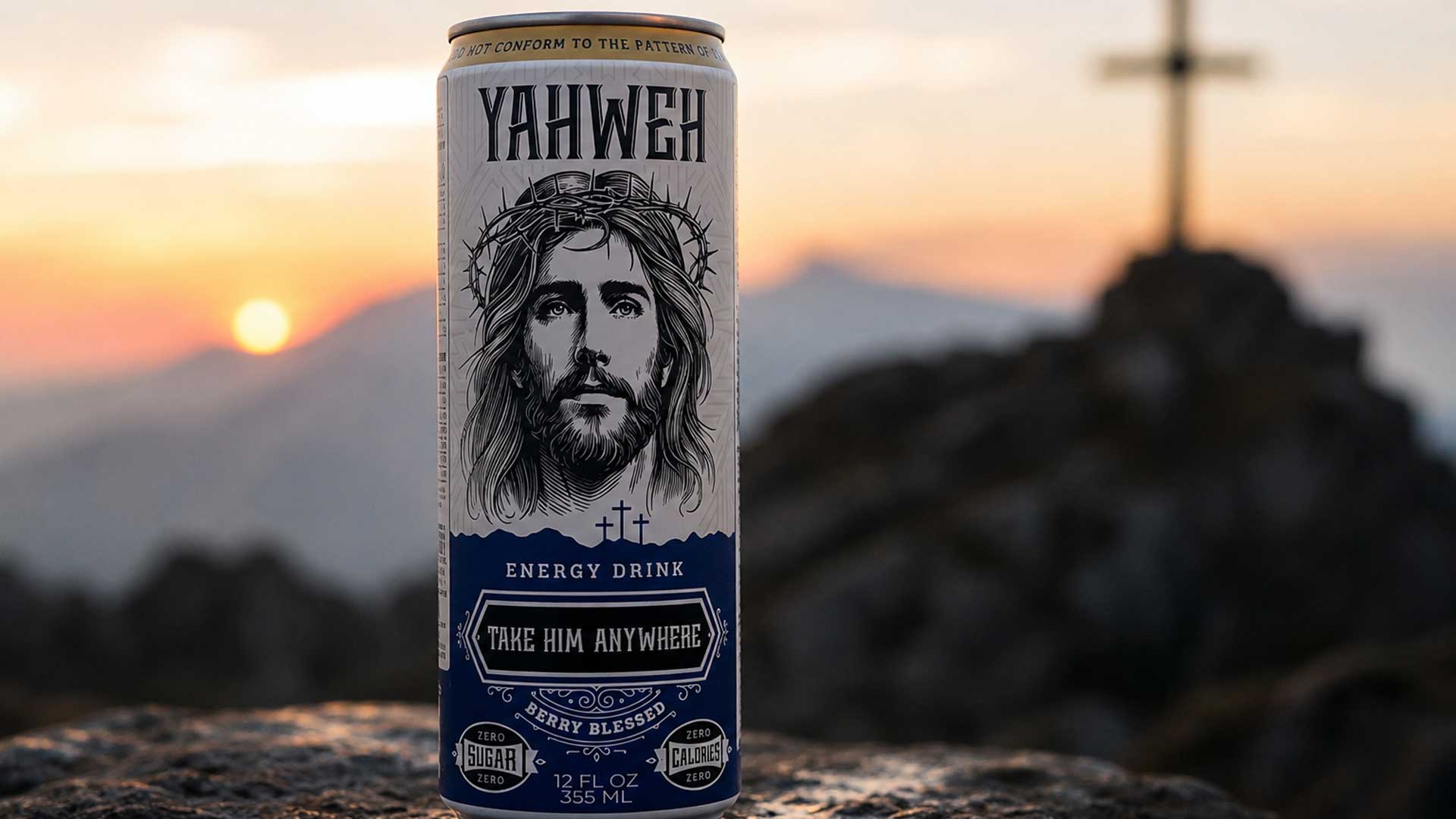
What is clear is that producers already exist in the United States, marketing energy drinks with Bible verses, images of Christ or both. At least four emerging brands have begun to attract attention.
Faith-Based Marketing
The phenomenon sits within the broader world of faith-based marketing: the integration of religious elements into business and marketing strategies. Linking religious symbols to energy drinks is hardly unprecedented. In 2024, a team of researchers at Fata University in Pakistan analyzed the communications strategy of a beverage that deliberately incorporated religious and cultural messages designed to resonate strongly with Muslim consumers.
Their conclusion was stark: “Advertising blurs the distinction between sacred and commercial values, transforming moral principles with spiritual significance into promotional material and thereby reinforcing the ideological convergence between consumerism and faith.”
Similar examples can be found in Europe, including France and the UK, where beverages have been marketed specifically to Muslim consumers. These ventures met with limited commercial success, but followed an approach broadly comparable to the one examined in Pakistan.
Christian Energy Drinks: Evangelical and Online
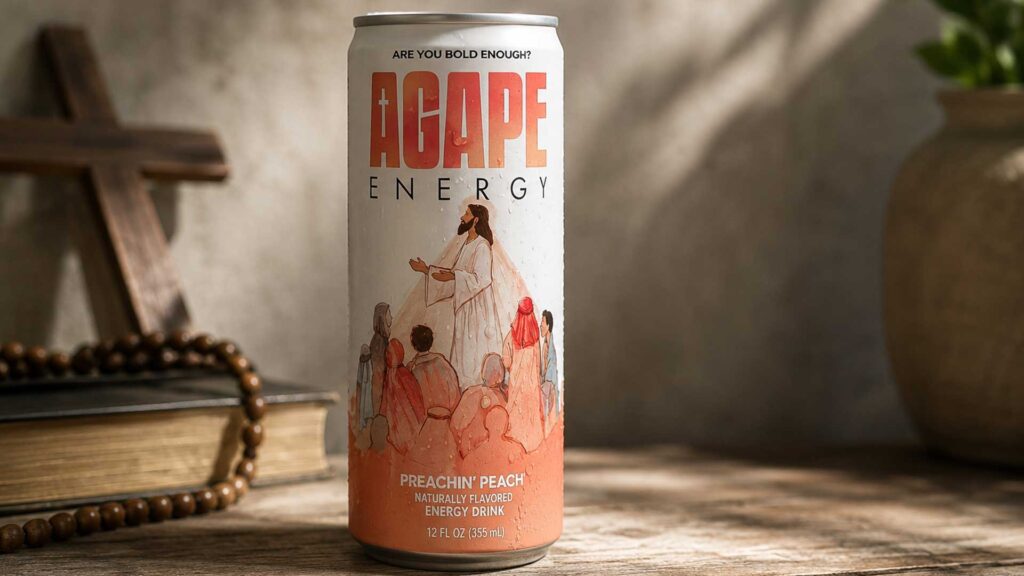
In the United States, the Christian energy drink niche appears to be aimed primarily at evangelical consumers who purchase the products through e-commerce.
The packaging leaves little room for ambiguity. Some cans feature images of Jesus wearing the crown of thorns or standing among the apostles as he preaches. Bible verses also feature prominently. One example is Psalm 34:8: “Taste and see that the Lord is good; blessed is the one who takes refuge in him.”
Put the first half of that verse on a can and its meaning inevitably shifts. “Taste” no longer refers solely to King David’s invitation to experience the goodness of God personally, rather than merely hearing about it. On the packaging, the word also points quite literally to the energy drink.
Not All Believers are Convinced
The Guardian, CNN and International Business Times UK agree on another point: the idea has hardly received universal approval. Within evangelical communities themselves, critics have condemned the products as a particularly blunt attempt to make money from religion.
Part of the controversy stems from the fact that it is often unclear whether any of the proceeds are donated to charitable causes — and, if so, what proportion.
Producers, for their part, defend the concept. Some argue that they are creating a healthier, more ethical option within the energy drink market. Others describe the products as a way of expressing their faith openly, or say that printing Bible verses on cans can prompt conversations and reflection around specific religious messages.
An Attractive Niche
The tension is unlikely to disappear. The boundary between faith and the commercialization of faith is inherently difficult to define. At the same time, American evangelicals represent an attractive consumer base. They account for roughly 20–25% of the U.S. adult population, with more than half living in Southern states. They are also inclined to spend money with companies they perceive as aligned with their moral values and may be prepared to pay a premium when they believe that part of the proceeds supports charitable work or evangelism.
Faith-based marketing can be handled with varying degrees of subtlety, and brands that push too far risk accusations of exploiting religion for profit. Yet a market for Christian energy drinks does appear to exist, and there is reason to believe it could continue to grow. The next question is whether the same approach will eventually find its way into ready-to-drink beverages.