
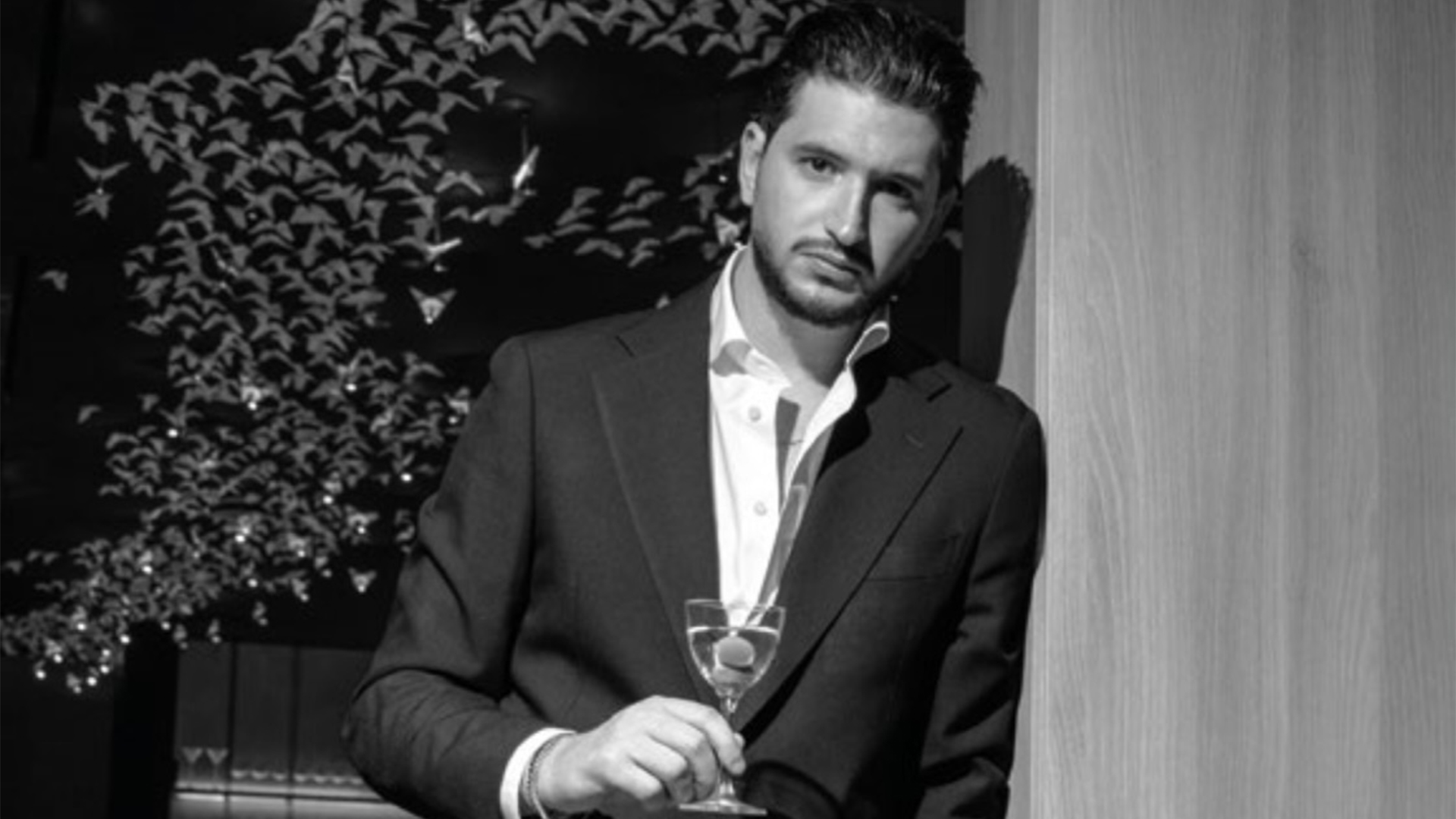
Abraham Abbo came to hospitality from what might seem an entirely different world: real estate. Today, he is a founding partner in several venues, including Umi Panama, a cocktail bar that has helped steer Panama City’s drinking scene in a new direction. Yet when asked to define his role, he chooses a description that neatly bridges the two sides of his career: “I see myself as an entrepreneur with a host’s mindset.”
Abraham Abbo, From Real Estate to Hospitality
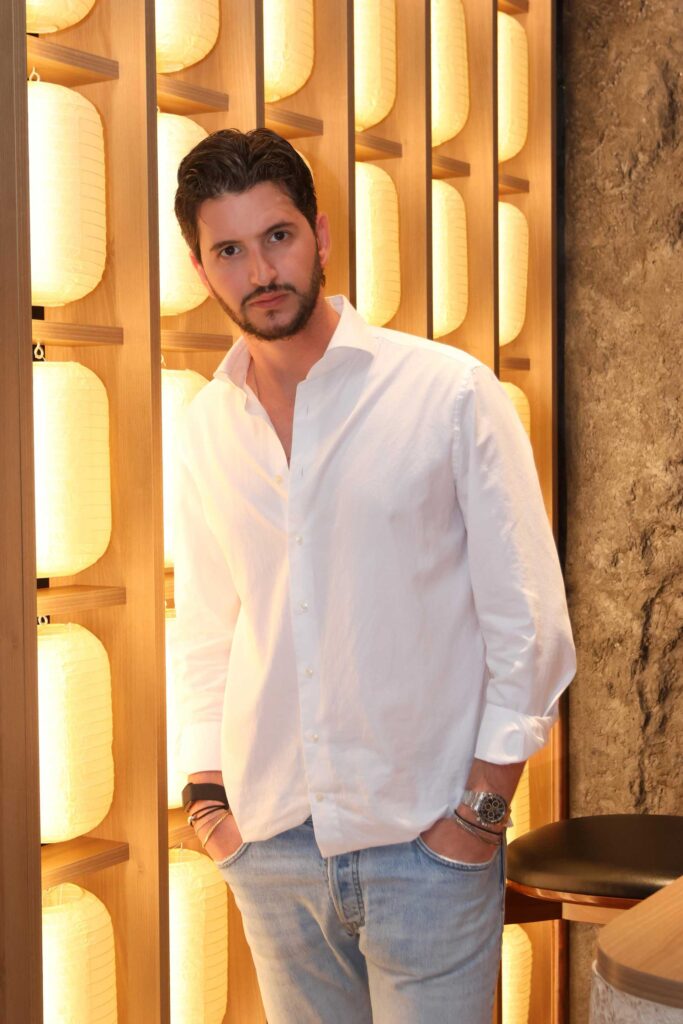
The move from property development into hospitality came when financial returns alone were no longer enough. “I realized this was the path I wanted to pursue when creating experiences began to motivate me more than simply closing deals.”
Abbo did, however, bring a methodology with him from real estate. Three principles in particular: “Location, timing and execution.” Knowing where to invest, understanding when to make a move and turning an intuition into a tangible project are skills that apply just as readily to property development as they do to opening a bar or restaurant. What changes is how success is measured.
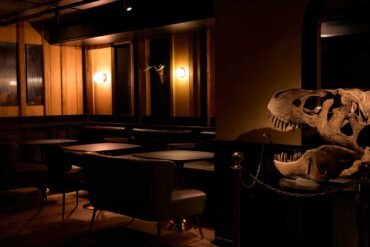
“I had to shift from thinking only about returns to thinking about experience,” he says. It is a distinction that also helps explain Umi. The concept grew out of “an obsession with detail and the experience surrounding the product.” The cocktail, then, becomes one element in a broader composition shaped by service, atmosphere, music, design and the rhythm of the night. If Umi were a playlist, Abbo says, it would be “elegant, nocturnal and full of character.”
Betting on Your Own Vision
Umi is also the product of Abbo’s professional partnership with chef Kamel Abi Hassan, a relationship in which contrasting skills find a natural balance. “His strength is creativity and judgment; my role is to complement that with structure and decisiveness.” Creativity on one side, entrepreneurial discipline on the other: a division of roles that allows an idea to become an efficient, functioning business.
For Abbo, entrepreneurship also means anticipating what people may want before the market has caught up. The greatest risk he has taken in hospitality, he says, was “betting on a vision before the market fully understood it.” That approach feels particularly relevant in Panama City, a place he describes as defined by “energy, opportunity and identity,” and one he believes is still in the process of developing a distinctive gastronomic and cocktail culture of its own.
The Future of Hospitality in Panama, According to Abraham Abbo
Asked what Panama City is still missing, Abbo resists pointing to a particular format or category. The question, for him, is broader: “It needs to keep evolving and find its own voice.” That evolution also involves the growth of an increasingly distinctive cocktail scene. Asked to name three bars for a drink in the city, he chooses Umi, Mangle and Amano — different addresses that together point to a capital where cocktail culture is gaining depth and confidence.
Away from work, Abbo disconnects through “sports, music and time with my family.” But perhaps the line that best explains both his philosophy of hospitality and his transition from real estate to Umi is also the simplest. Building a space and knowing how to bring it to life are, after all, two very different disciplines. “My approach starts with making people feel special — without ever having to say it.”
Photos courtesy of Umi Panama