
The global drinks industry is entering a new phase. According to the latest figures from the International Wines and Spirits Record (IWSR), worldwide alcohol volumes declined by 2% in 2025, marking the third consecutive year of contraction. Yet the numbers point to something more nuanced than a shrinking market. Consumers are drinking more selectively, premiumisation continues to reshape purchasing habits, no-alcohol products are gaining momentum and ready-to-drink cocktails are reaching a new stage of maturity. Against that backdrop, several shifts stand out, from spirits overtaking wine to the rise of premium tequila and Indian whisky.
Lower Volumes, New Priorities
Marten Lodewijks, Managing Director and President of IWSR, sees the trend as a structural evolution rather than a crisis. “People are not walking away from alcohol,” he says. “They are becoming more deliberate about how often they drink and how much they consume.” That shift is redefining the global beverage landscape. While total alcohol volumes fell by 2% in 2025, consumer expectations also evolved, pushing producers to rethink established strategies.
Performance varied widely across categories. Although beer, wine and spirits all recorded lower volumes overall, Indian whisky, Irish whiskey, tequila, bitters and aperitifs all posted growth, alongside ready-to-drink cocktails and alcohol-free alternatives. India emerged as the fastest-growing major market, expanding by 4%, while Turkey led growth across Europe.
A Turning Point for Wine
Wine experienced one of its most challenging years, with volumes declining by 5%. The result is historic: for the first time, the global spirits market has overtaken wine in total size.
Sparkling wines provided a notable exception. Prosecco and Crémant continued to expand, while still and sparkling alcohol-free wines also gained momentum, reflecting broader changes in consumer preferences.
Spirits: Winners and Losers
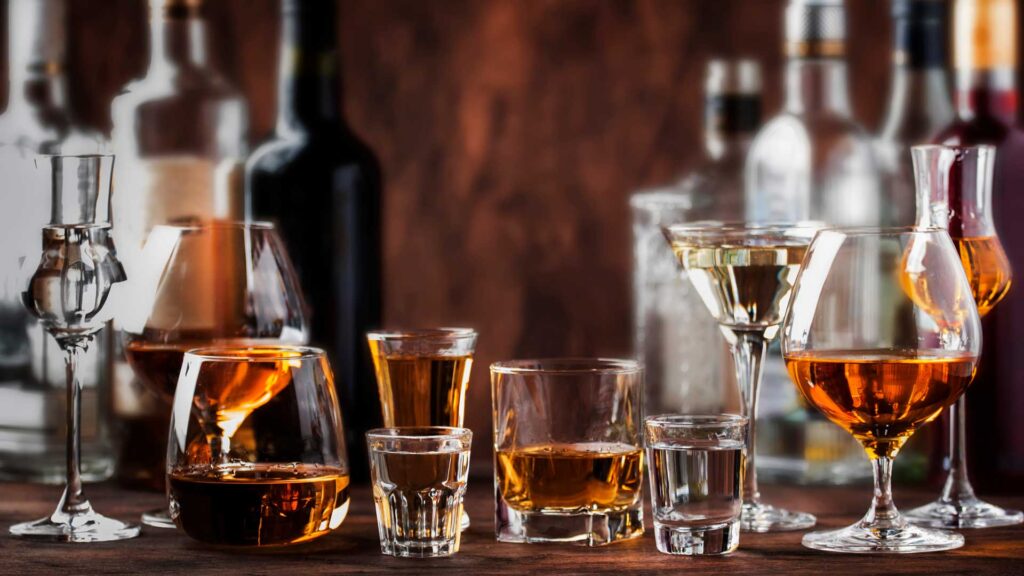
Spirits volumes declined by 3% overall, extending a downward trend that began in 2017. Beneath the headline figures, however, several categories continued to perform well.
Whisky grew by 2%, driven largely by Indian whisky, which expanded by 4%, although much of that growth came from entry-level products rather than premium expressions. Irish whiskey and tequila also gained 2%, with premium and ultra-premium tequila rising by 8%, reinforcing its position as a category increasingly associated with sipping and high-end cocktails rather than shots.
Bitters and aperitifs also increased by 2%, supported by sustained demand across Europe and growing interest in South America and Sub-Saharan Africa. Gin edged up 1%, largely thanks to domestic producers and mid-priced brands in emerging markets, while premium expressions softened. Vodka declined by 2%, rum slipped 1%, and Cognac and Armagnac posted the steepest losses, down 7% despite strong growth in South Africa.
Ready-to-Drink Comes of Age
Ready-to-drink cocktails remained the strongest-performing alcoholic drinks category in 2025, growing 3% globally. “The category is maturing in its established markets while expanding into new ones,” says Lodewijks. “The rapid move towards premium products, new flavour profiles and stronger brands suggests genuine long-term potential.”
The United States still accounts for around 40% of global RTD volumes, although 2025 marked its first annual decline since 2015. Premium RTDs, however, continued to grow by 15%. Japan also expanded, albeit at a slower pace than in previous years, while the United Kingdom, the Netherlands and Spain emerged as Europe’s leading growth markets.
Alcohol-Free Continues to Accelerate
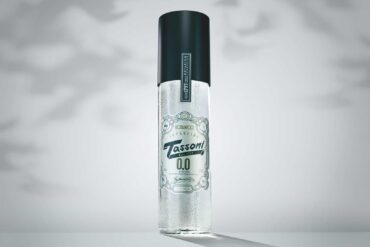
No-alcohol beverages remain relatively small in volume, but they continue to outpace almost every other segment. “The category is still niche,” says Lodewijks, “but both its growth rate and its rapid premiumisation tell us that consumers committed to mindful drinking are here to stay—and they are willing to pay for higher-quality alternatives.”
In 2025, alcohol-free beer grew by 8%, alcohol-free spirits by 8%, while still and sparkling alcohol-free wines recorded the fastest expansion of all, rising by 13%.