
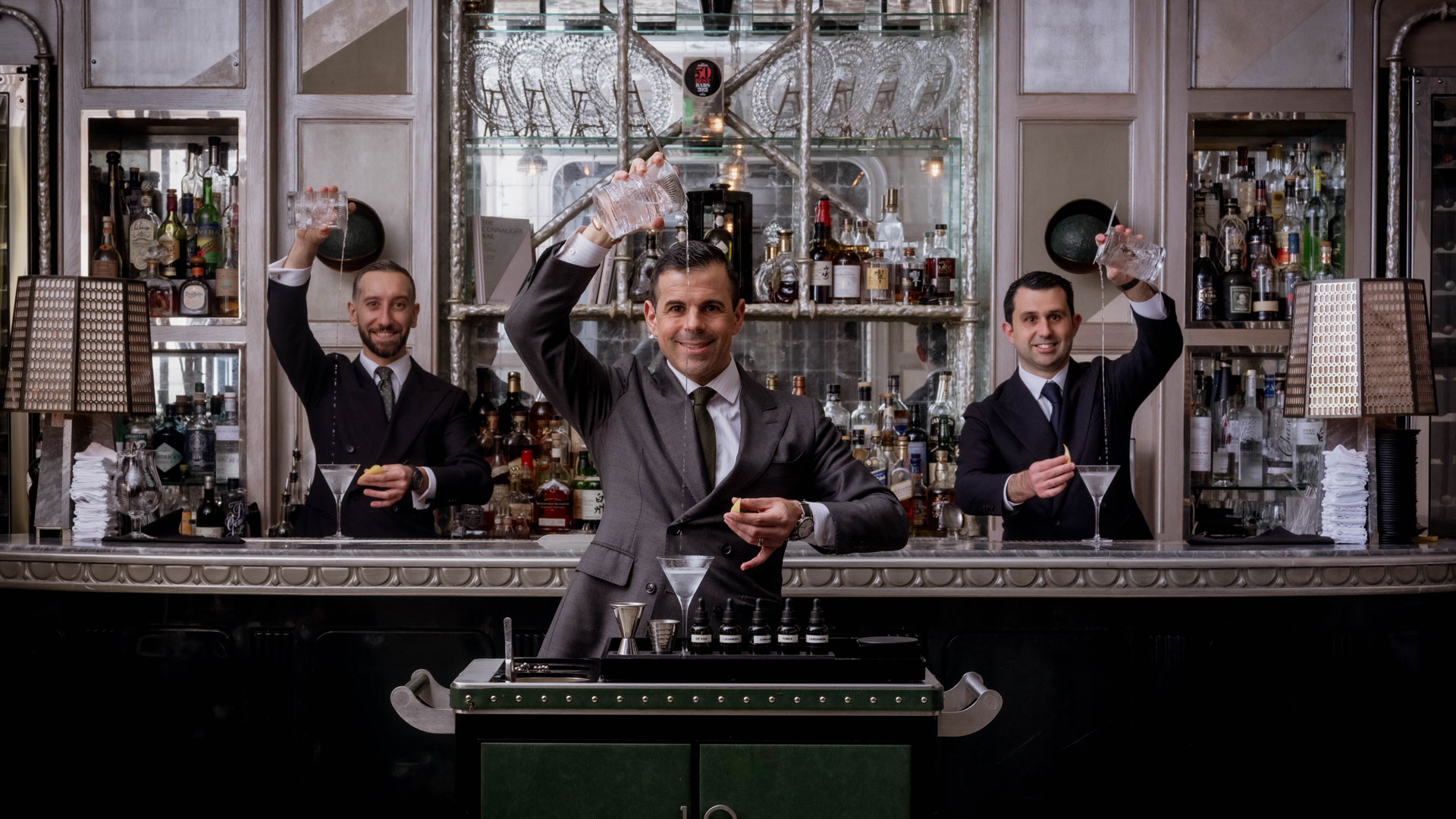
The professionals behind the bar remain one of the decisive factors in the success of some of the world’s most celebrated venues. Arriving from elsewhere, they often bring a perspective capable of making a bar stand out in an increasingly crowded landscape. Sharing their views here are Ibrahima Guenne, Simone Caporale, Lorenzo Antinori, Agostino Perrone, and Giorgio Bargiani.
From New York to the Rest of the World, the Human Factor Still Prevails
The world’s cocktail capitals are undergoing a meaningful shift. Concepts now travel more easily from one city to another, yet what truly makes the difference, beyond the model itself, is the person shaping it, and making it recognizable over time. A recent New York Magazine article pointed out how some of Manhattan’s most closely watched openings were created not by locals, but by talented expat bartenders and entrepreneurs. Among them are Sip & Guzzle by Shingo Gokan, who arrived from Tokyo, Schmuck by the duo Moe Aljaff and Juliette Larrouy, and Seed Library, a concept originally developed in London by Mr Lyan. Yet the most revealing point lies elsewhere: the human factor.
The phenomenon goes beyond formats imported from abroad. It is about the people who make those concepts succeed — professionals from other countries who bring with them a clear identity and manage to make it legible in entirely different contexts, whether as owners or as members of the team. It is far from a universal rule, yet it remains a recurring and highly relevant pattern.
Barcelona, a City That Welcomes Integration
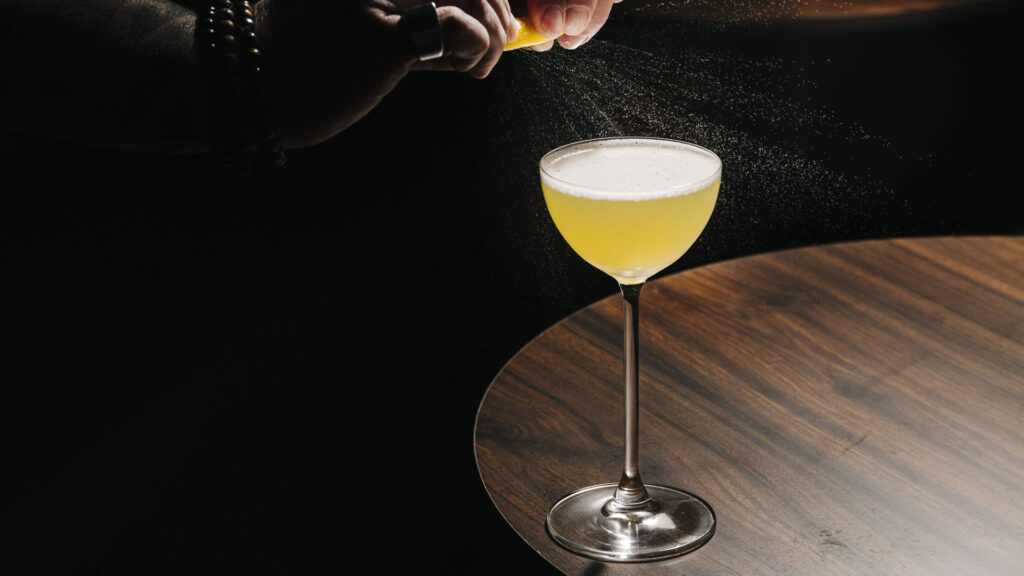
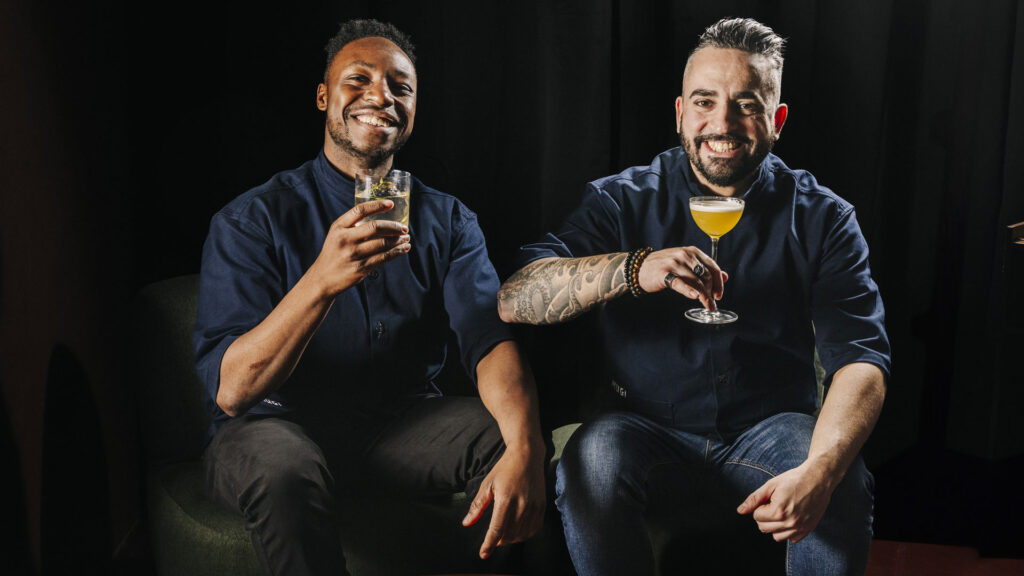
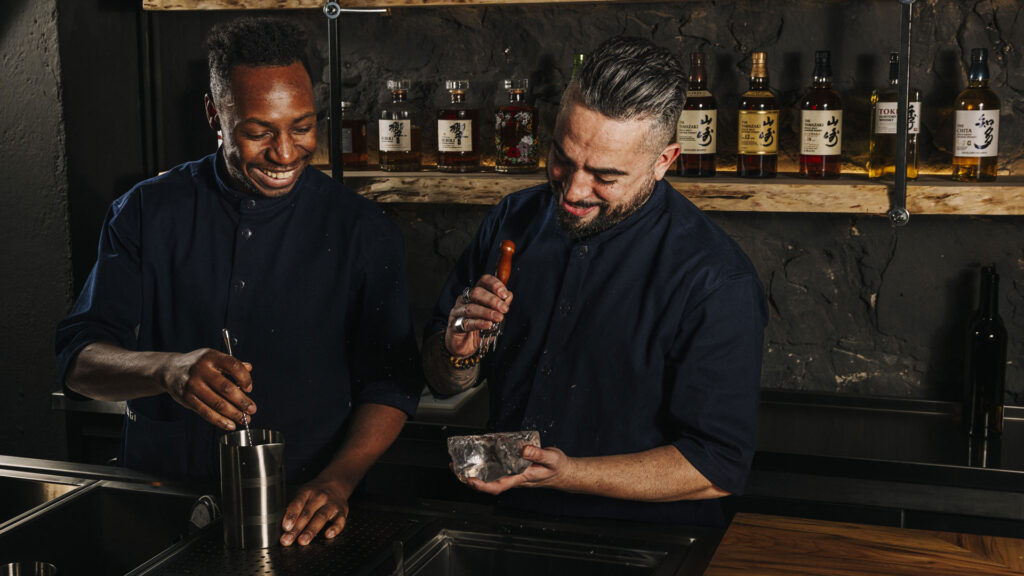
Looking beyond New York, Barcelona has established itself as one of Europe’s most compelling cocktail destinations. In the Eixample district, Ibrahima Guenne recently opened Mugi, a listening bar where the experience begins with a welcome tea and continues with a vinyl soundtrack chosen directly by the guest. Guenne’s journey spans multiple cities and cultural contexts, from Italy to London and eventually Japan, where he developed the sensibility that now defines the project.
“My experience in Japan completely changed the way I understand hospitality. Today I see it as something built around precision, ritual, and attention to detail. Together with Lorenzo Cisi, my business partner in this new venture, we chose to focus on simplicity and care, in order to value the guest’s time and the quality of their stay.” That philosophy translates into tangible gestures. “Upon arrival, we offer a seasonal welcome drink, which may be a warm tea or something refreshing, depending on the time of year. It’s a way of immediately putting guests at ease. The same goes for the music: customers can choose the vinyl they want to listen to throughout the evening.”
The concept also extends to product selection. “We have a strong connection to sake and shochu, and we decided to bring them to Barcelona, both served neat and within cocktails.” Mugi’s strength lies in consistency. Every decision reflects a specific personal journey and takes shape clearly in both the space and the service.
“If you look at bars now considered institutions around the world, such as Bar Leone and Connaught Bar, what they share is a very clear identity, repeated consistently over time. That philosophy is what made those projects recognizable and relevant. We are building our own path around the same principle, through a collection of choices and gestures that define who we are, day after day.”
The Experience of Sips and Montana
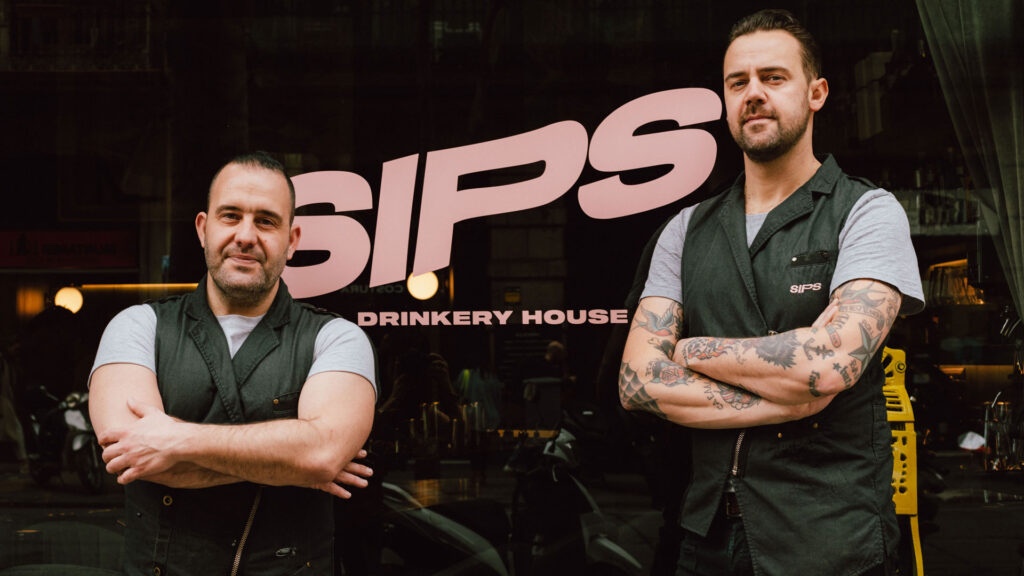
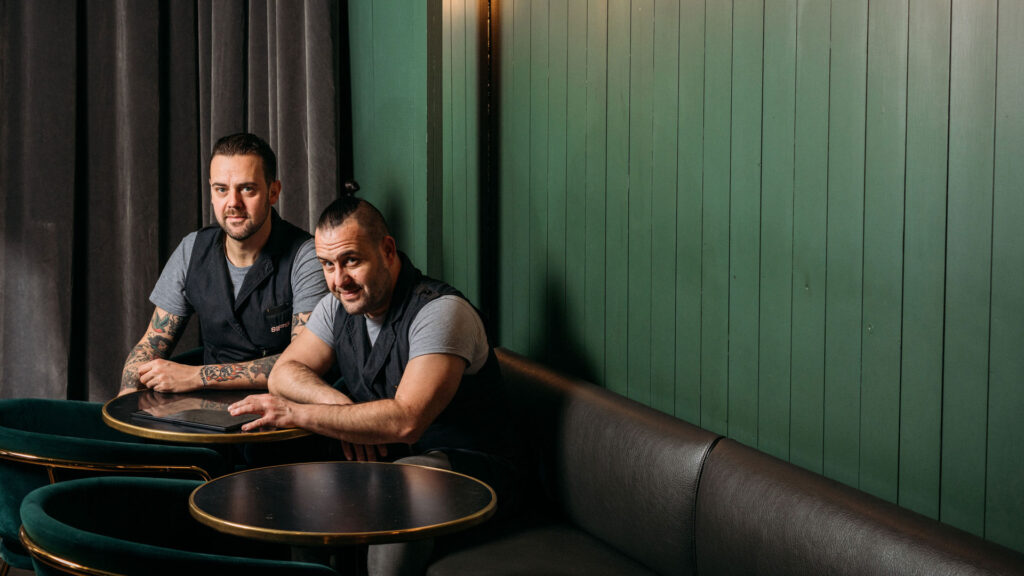
In the same neighborhood as Mugi, Simone Caporale, who leads Sips alongside Marc Álvarez, addresses the subject directly. “Our decision was to focus entirely on the identity of the venue. So many bars open today, but when people ask what truly makes them special or different, the answer is often unclear. In those cases, it usually means that identity was never truly built.”
In a city as mature as Barcelona, identity becomes the factor that separates a successful bar from one that works in theory but lacks substance. Then comes continuity. “For me, consistency is fundamental,” Caporale says. “Guests returning to Sips expect to find the same experience at the same level. That’s something many bars struggle to maintain. If something works, it has to be executed well every single day — or improved. Always with coherence.”
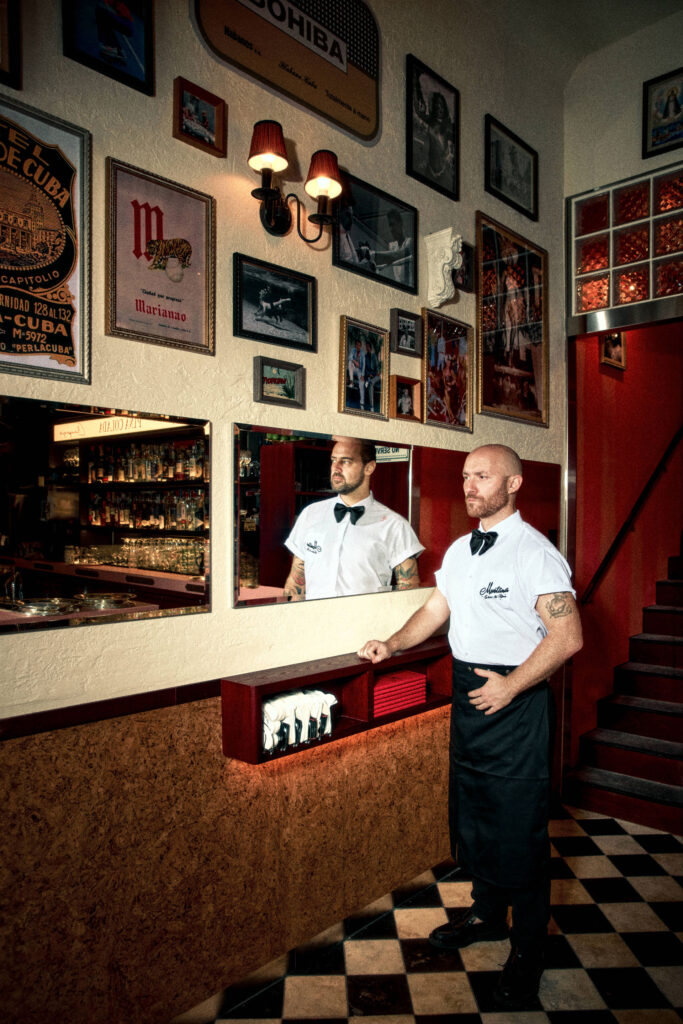
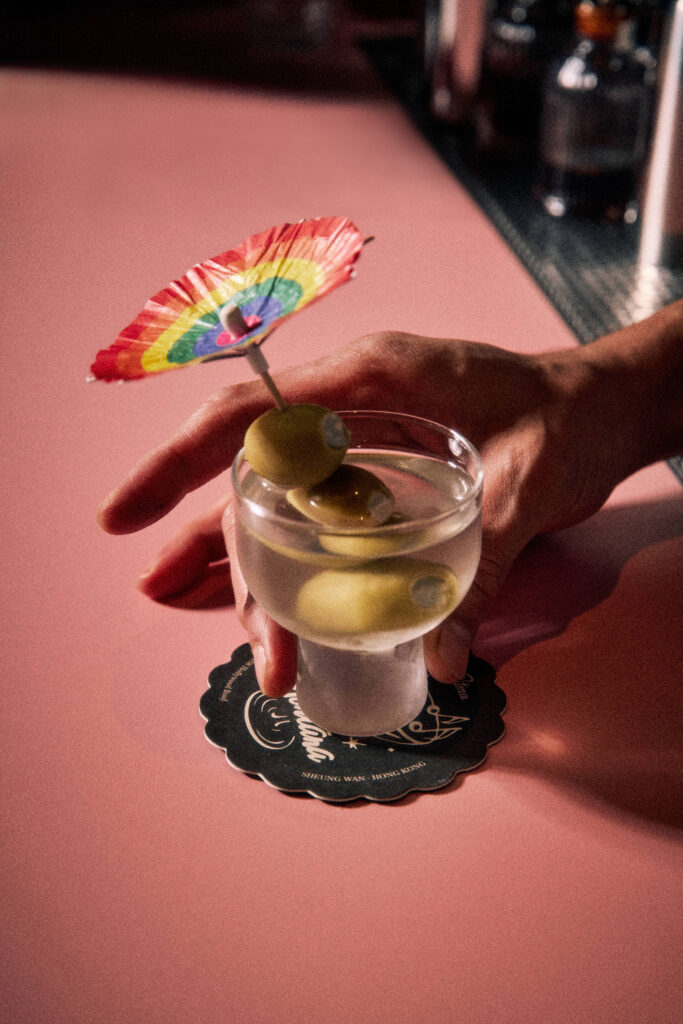
A different interpretation of that same principle emerges at Montana, the Hong Kong project developed together with Lorenzo Antinori. Here, context plays a central role. “In Asia, cocktail culture is still relatively young. When an expat launches a project, it is often perceived as something exclusive simply because it comes from Europe. There is a different perception of detail and product. It’s similar to wine: a French label may be considered better than an Argentine one, even when that is not necessarily the case.”
Hong Kong, Where Context Amplifies Identity
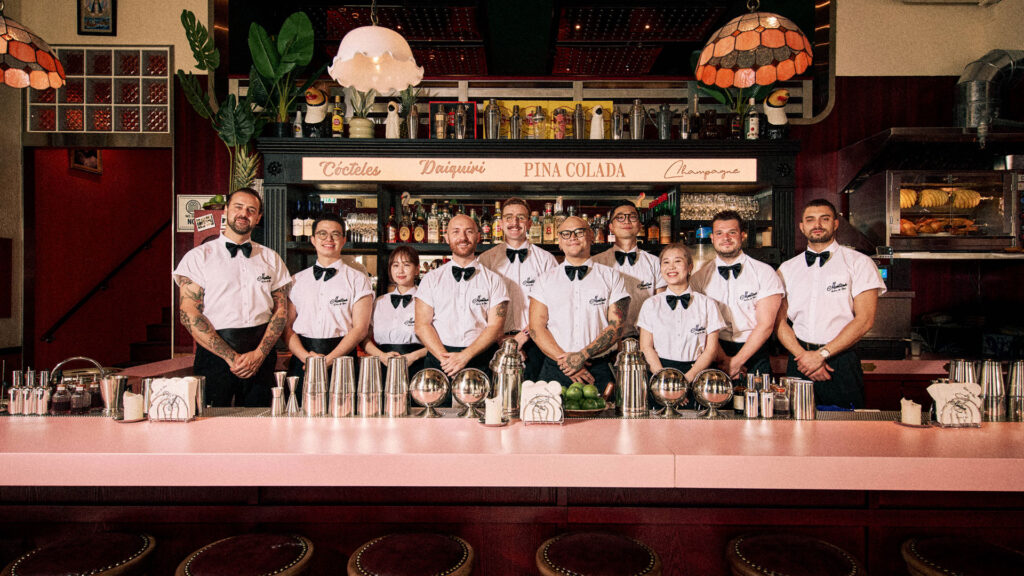
Lorenzo Antinori expands on that perspective. His Bar Leone claimed the number one spot in The World’s 50 Best Bars 2025. “The fact that I am Italian and an expat gave authenticity to the project, especially in the eyes of Hong Kong’s local audience. It added an element of intrigue, almost something exotic, that made it immediately recognizable. I’m referring to Bar Leone, but also to Montana, which Simone and I launched in 2025.”
That initial momentum also intersects with the personal reality of building something far from home. “We expats, living away from our own country and without many familiar comforts, develop a sort of survival instinct that pushes us to keep moving and constantly pursue new goals.” Over time, however, geography becomes less relevant. “What matters is the quality of the product, the ability to build a brand that extends beyond the four walls of the bar, and the patience required to lead a team. The people eventually become ambassadors for the project.”
That is where the character of a bar takes shape, which remains central for Antinori as well. “In both of my venues, I worked to create an identity that feels precise, recognizable, and human, with an aesthetic capable of telling a story. For Bar Leone, that is the manifesto of Cocktail Popolari, bringing the bar back to a simpler, more direct dimension while maintaining high standards. Montana follows a similar principle: finding value in simplicity.”
London, Identity Within an Already Established System
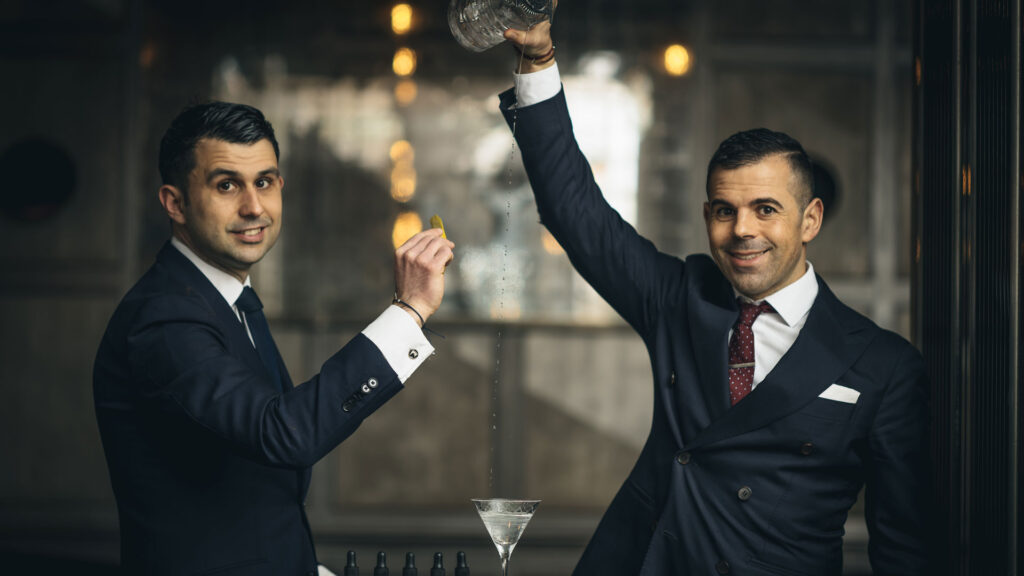
In London, the conversation changes. The challenge is less about inventing or exporting a format and more about defining it from within. Connaught Bar offers one of the clearest examples. Its Director of Mixology, Agostino Perrone, who witnessed the bar’s birth, works alongside Giorgio Bargiani, Assistant Director of Mixology, within one of the most codified hospitality systems in the world.
Perrone attributes that success to the meeting of different backgrounds. “The combination emerged from the encounter between my professional experience, built over years in London’s independent bars, and the hotel’s own ethos. London is a place where diversity produces extraordinary results, though it demands dedication and adaptability.”
Connaught Bar opened in Mayfair in 2008. “Its secret lies in the people who have passed through our team, in a vision that has remained unchanged, in the same dedication, patience, values, and work culture. The rule is always to look ahead and anticipate changes in tastes and expectations, while staying true to who we are. When I arrived at Connaught, I received incredibly strong training, both professionally and personally, and that became one of the pillars of our ethic. Team development is central here. We work on technical skills, presentation, and body language. That is what allows each individual to express their full potential. In that environment, the international component adds value, and being mostly foreigners encouraged us to take greater risks.”
Bargiani shares the same view, though for him London remains a city where origin matters less than endurance. “It is a city that gives, but also asks a great deal. Anyone arriving from abroad with the ambition to excel understands quickly that shortcuts do not exist.” Within such a structured system, being an expat becomes a distinct mindset. “Being foreign here is almost the norm, but it develops in us a stronger ability to put ourselves in other people’s shoes. That is a fundamental quality in our work.”
Connaught Bar’s identity is built around constant balance. “It is the desire to establish connections — at the bar, while travelling, on social platforms, and through every communication channel. The interaction we have with our guests and with the wider public defines our sense of hospitality, of sharing, of discovery, and of being together. That is what gives meaning to the experience.” Wherever the bar may be.