
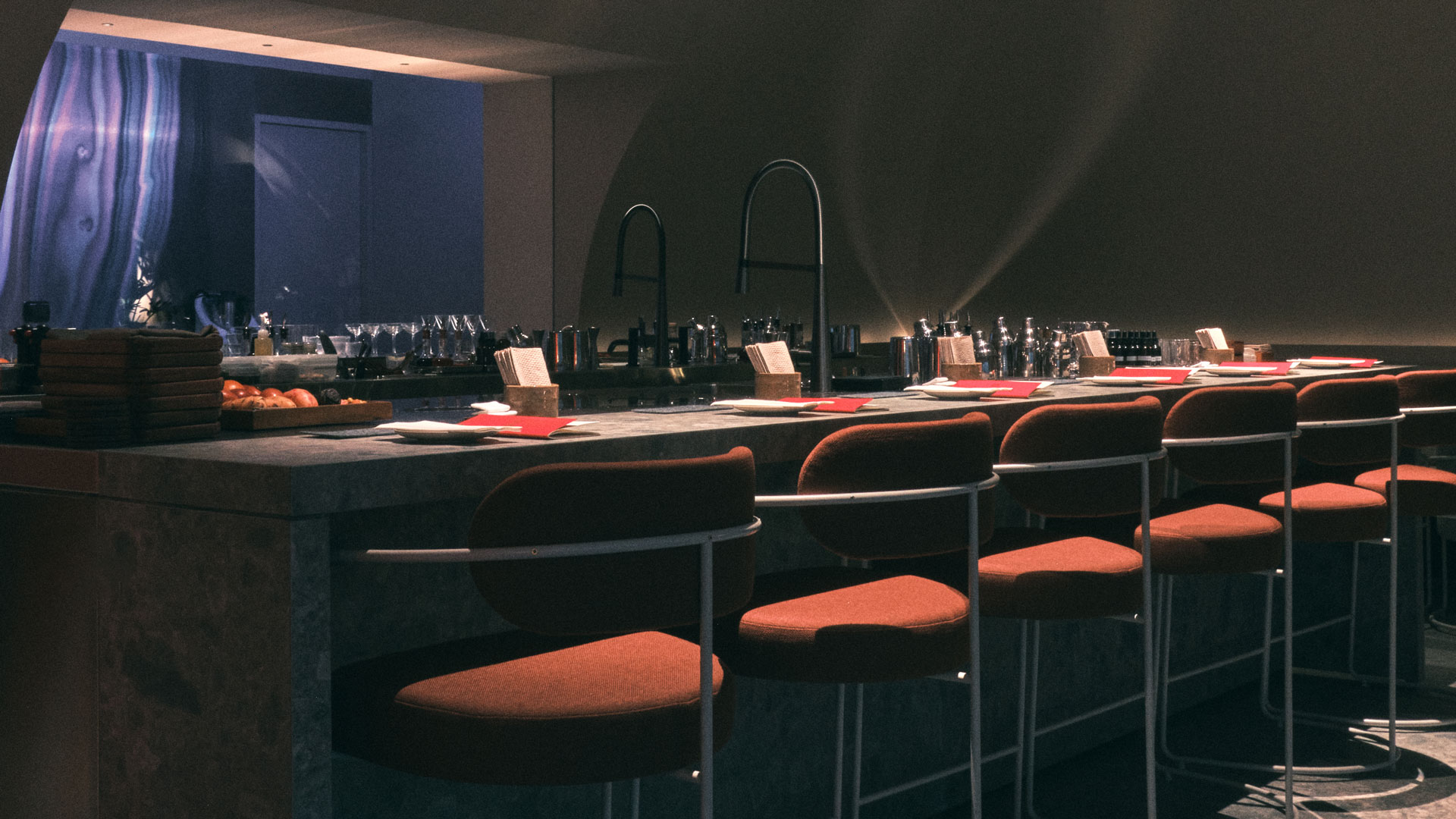
In Lima, one bar has spent the past five years building a language of pairing that feels both purposeful and pleasurable — a way of putting Peruvian ingredients at the center, while using design and atmosphere to make an ethical point without turning it into a lecture. The project, founded during the pandemic by Alonso Palomino, Gabriela and Alejandra León, began as a statement and grew into a method.
“From the very beginning we wanted to communicate the potential of our territory,” Palomino says. “We started with a small place in Miraflores and, over time, found a way of working that felt more fun and casual — the bar gives you that dynamic energy, a way to get closer to people and tell a story about Peru’s diversity through the pairing between drinks and dishes.”
The New Lady Bee in the Barranco District
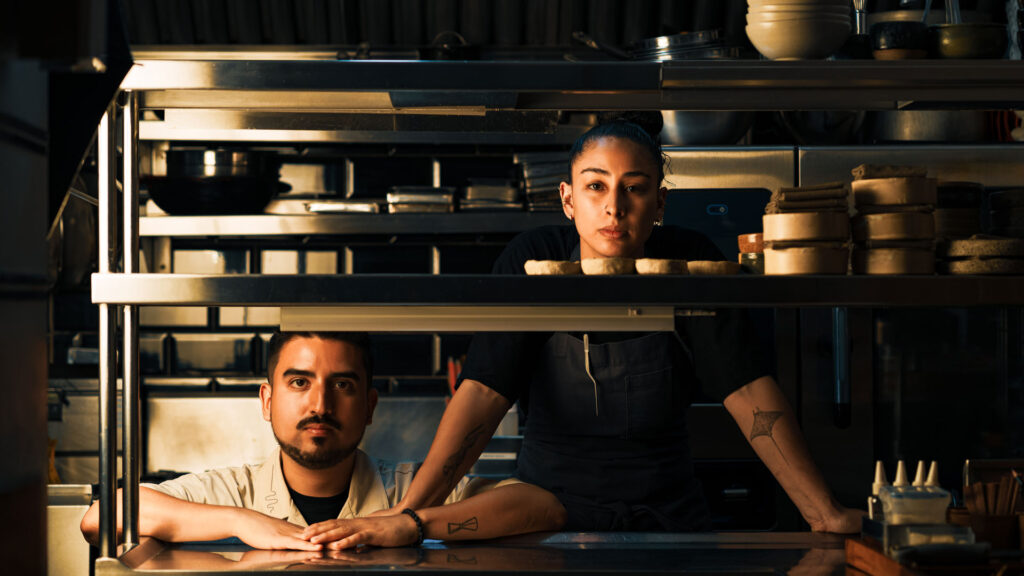
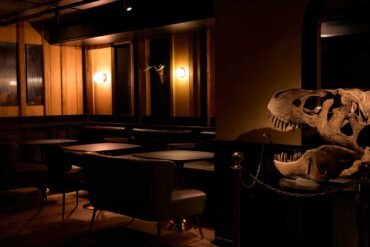
That early intimacy was something they refused to give up when they moved, five years later, to a larger home in Barranco. “We didn’t want to lose the feeling people had when they walked in — like arriving at a house,” says Gabriela León. “That’s why the walls are designed almost as if they’re embracing the space.” The menu shifts in increments rather than grand reveals, with patience. “The ingredient is the protagonist of every recipe,” Palomino says. “We try to understand how it behaves, and we keep it on the menu for the time it takes to build real, long-term trust with the people producing it.”
The Bond With Peruvian Producers
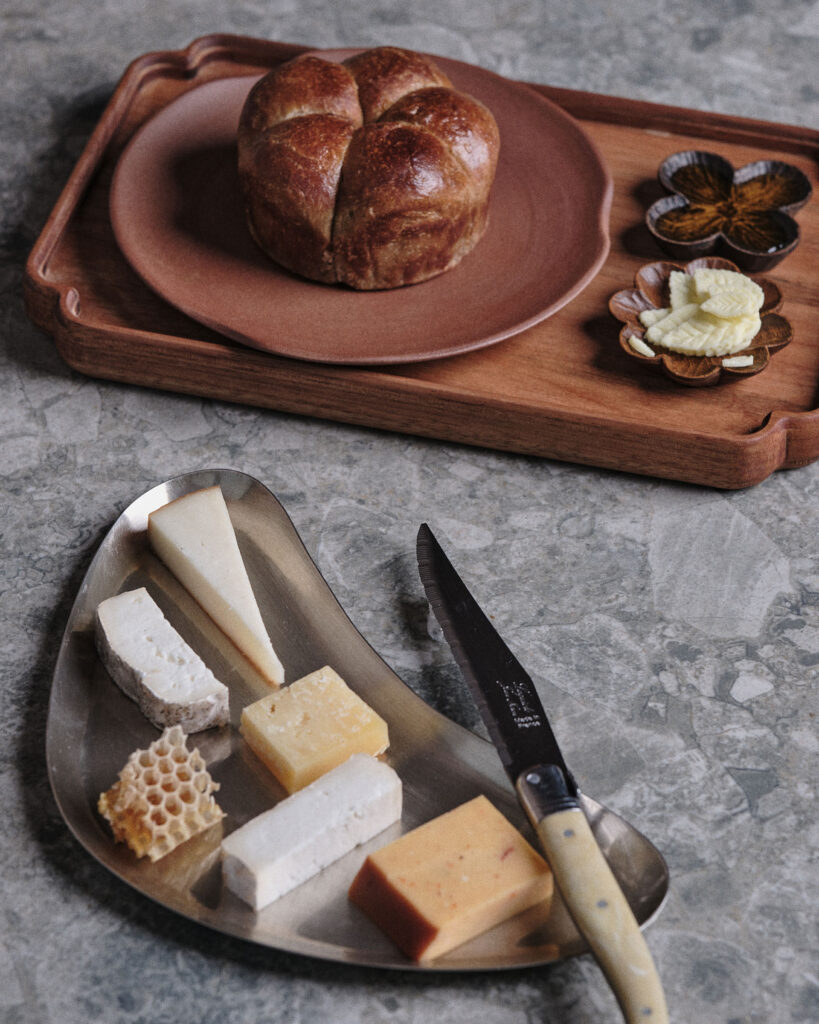
In their own words, the bar operates as “an agent of communication: the main characters are the people working the raw material at the point of origin. We’re a platform that helps show the best of what this country produces.” For Gabriela, the ambition is also cultural and practical. “What we’re trying to do is make producers visible and give them dignity,” she says. Travel is part of the job, “We bring the whole team into those trips so the connection is real and the stories we tell guests come from a lived experience.” Alejandra León frames it in operational terms, but the point is the same: “Producers are our team behind the team,” she says. “Our menu is a product menu, and it’s dedicated to them.”
Lady Bee Tells a Story of Regional Cuisine and Family
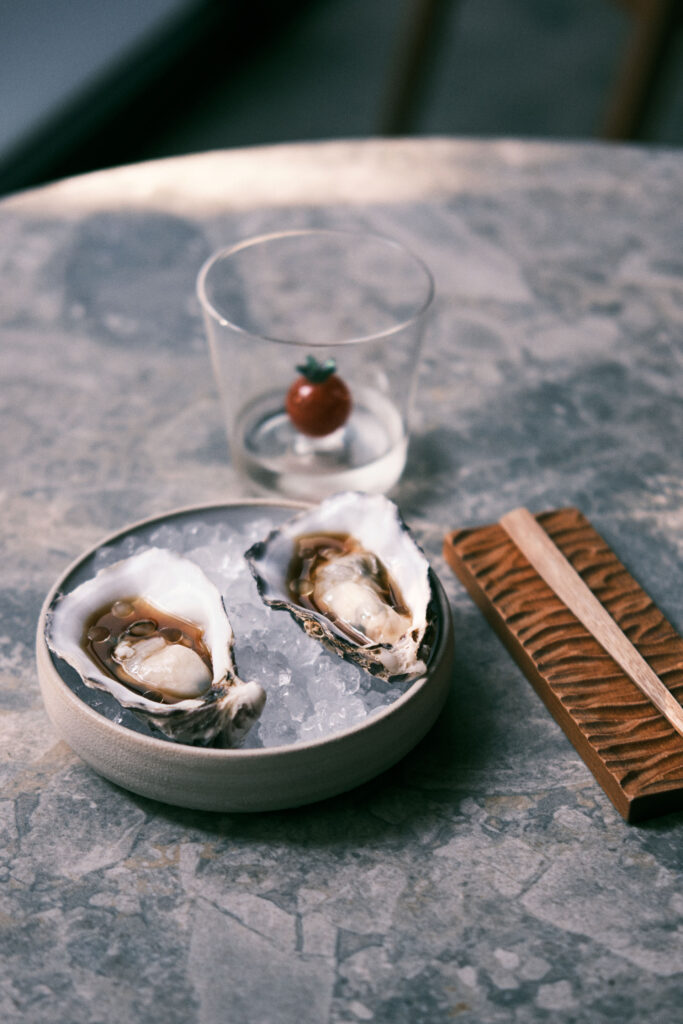
The kitchen reflects Lima’s coastal DNA, with the Amazon running through it. “We work with a marine biologist to curate traceability for seafood,” Gabriela says. “And I lived for a period in the Amazon, so there’s always this mix between coastal ingredients and inland flavors. Every trip adds something new.” Lady Bee is, finally, a family business in the most literal sense — and they treat that as both strength and pressure. “Working with Alonso and with my sister Ale is gratifying,” Gabriela says. “We have different personalities, but we’re pushing in the same direction.” Palomino puts it more directly: “For us, the deepest meaning is connection, respect, and understanding that we’re a team. Hospitality starts at home — if we want to give our best every day, we need to feel calm, happy and motivated first.”
The Future of Lady Bee and the Peruvian Biodiversity
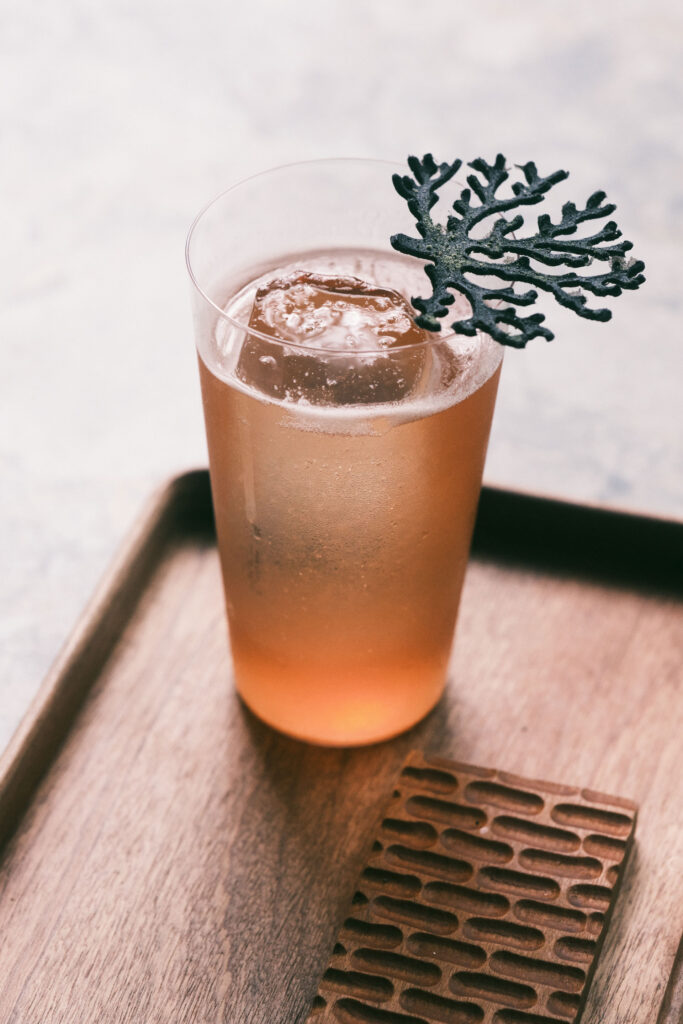
Their hopes for the future stay close to the ground. “I’d love for people to keep betting on this career and to appreciate everything Peru holds,” Palomino says. “While travelling you realize how much the diversity here is valued outside the country.” Alejandra adds: “It would be beautiful if our space became a gateway, an invitation for others to travel through Peru, through ingredients.” In a city that keeps sharpening its culinary identity, Lady Bee keeps strengthening its identity by weaving together narrative, technique and territory, guided by a strong sense of responsibility and a vision grounded in ethics and social sustainability.
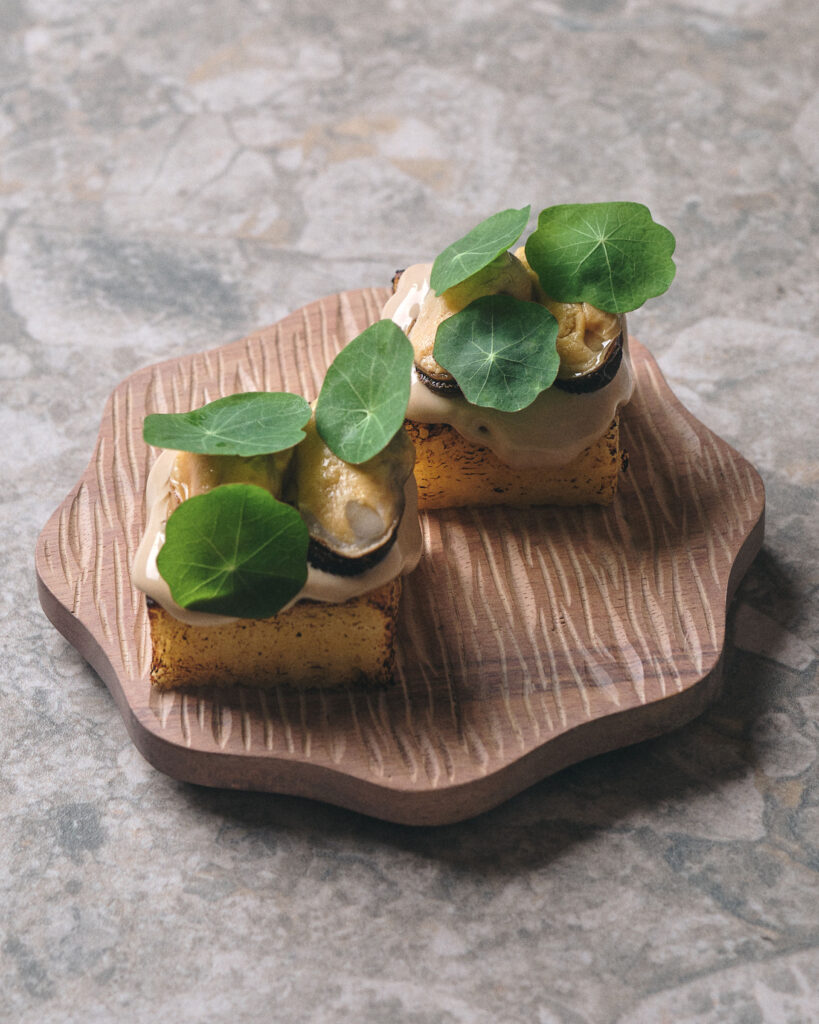
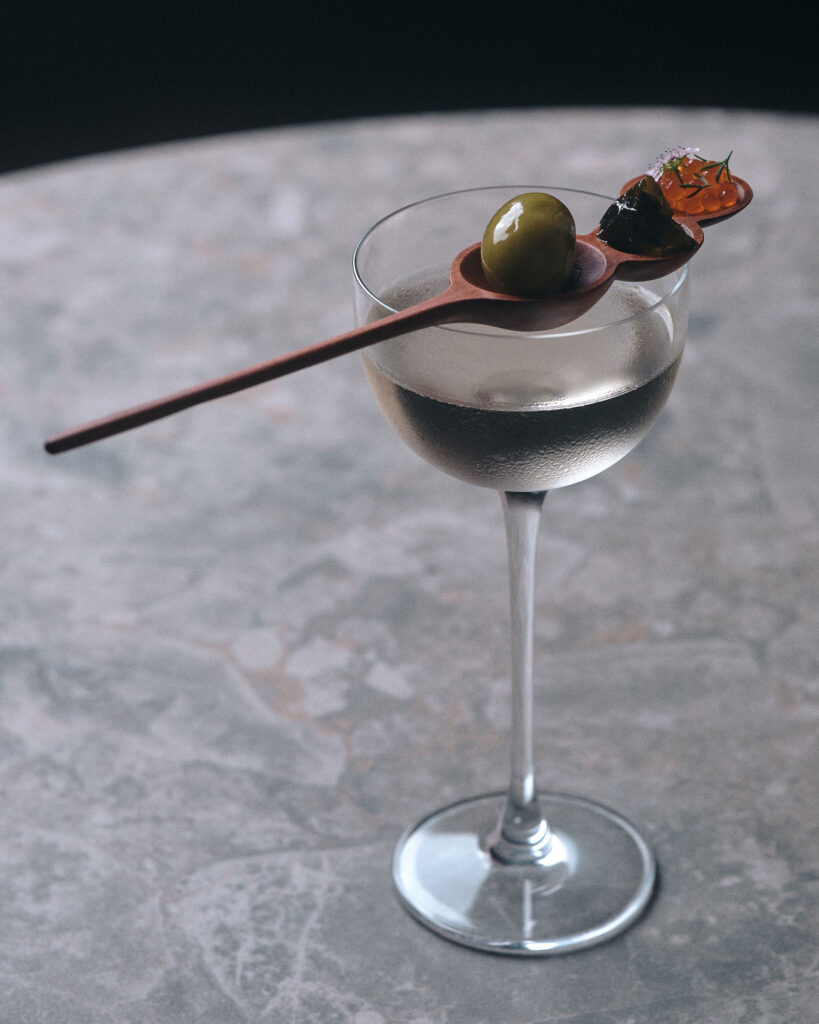
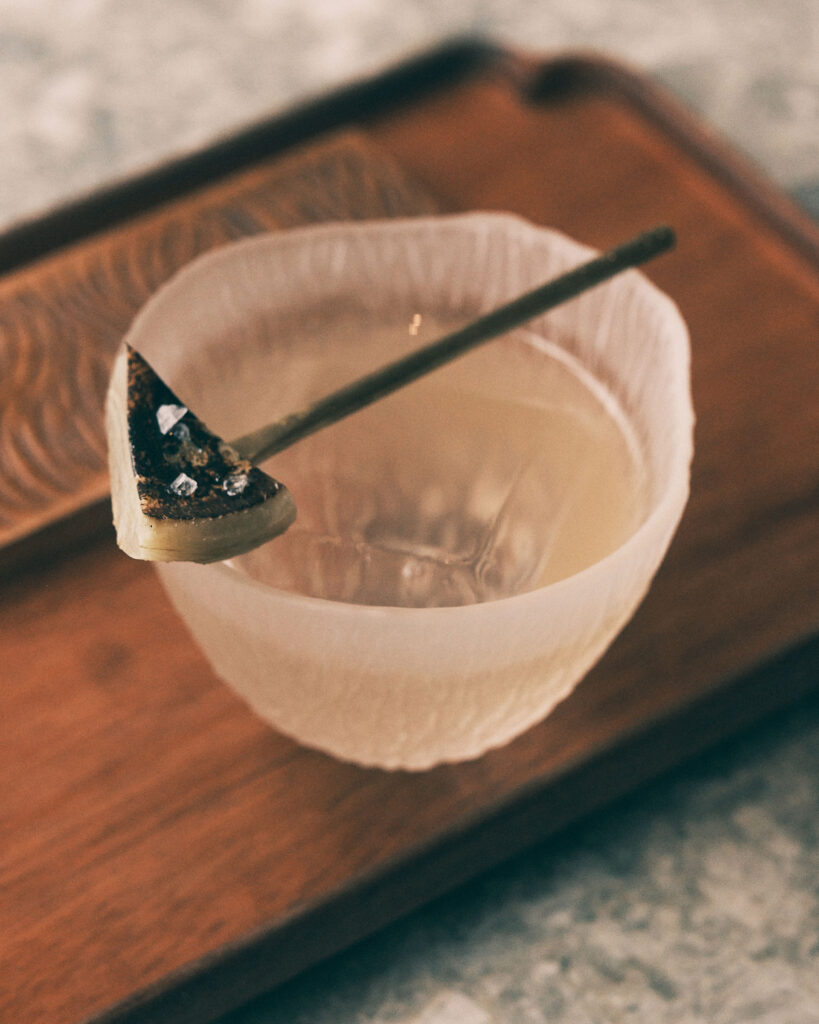
The article first appeared on Coqtail – for fine drinkers. Order your copy here
Photo courtesy Lady Bee