
Not long ago they were relatively obscure outside Mexico. Over the past couple of years, however, the Cantarito and the Batanga have enjoyed a surge of popularity. Explaining what they are is straightforward; understanding why they resonate so strongly today requires a closer look at the broader context of tequila culture and contemporary drinking trends.
What Batanga and Cantarito Are
Both cocktails belong to the tradition of Mexican mixology and share a common foundation: tequila, the country’s most emblematic agave distillate.
The Cantarito
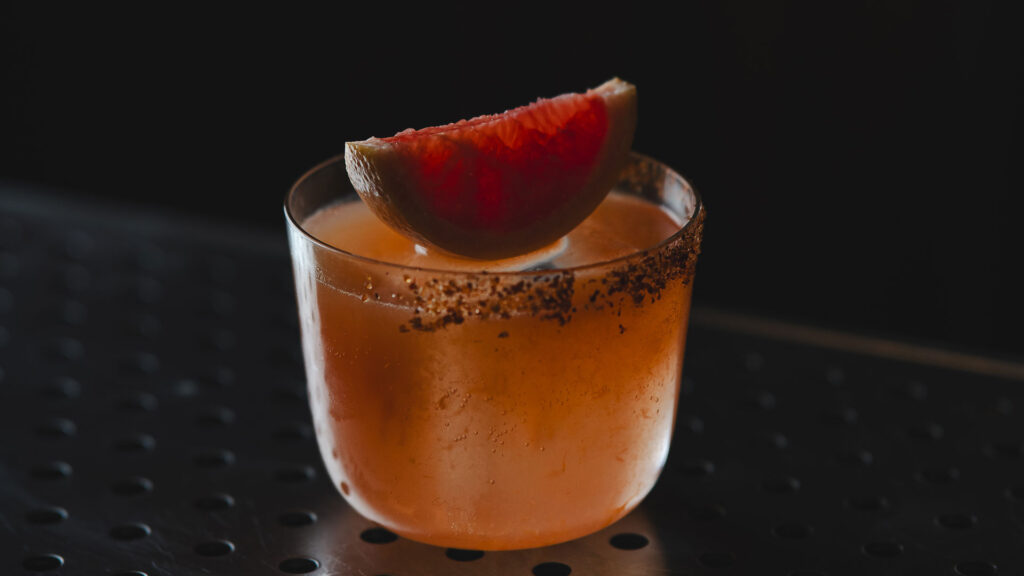
The exact date of the Cantarito’s creation remains uncertain, though its origins are firmly rooted in the state of Jalisco, the historic heartland of tequila production.
The drink is especially suited to warm weather. It combines tequila—often reposado—with orange juice, grapefruit juice, lime juice and a pinch of salt. The ingredients are shaken and strained into a vessel filled with ice, then topped with grapefruit soda and stirred gently.
One detail defines the drink as much as the recipe itself: it is traditionally served in a small clay jug known as a cantarito, the diminutive of cántaro, the Spanish word for pitcher.
The Batanga
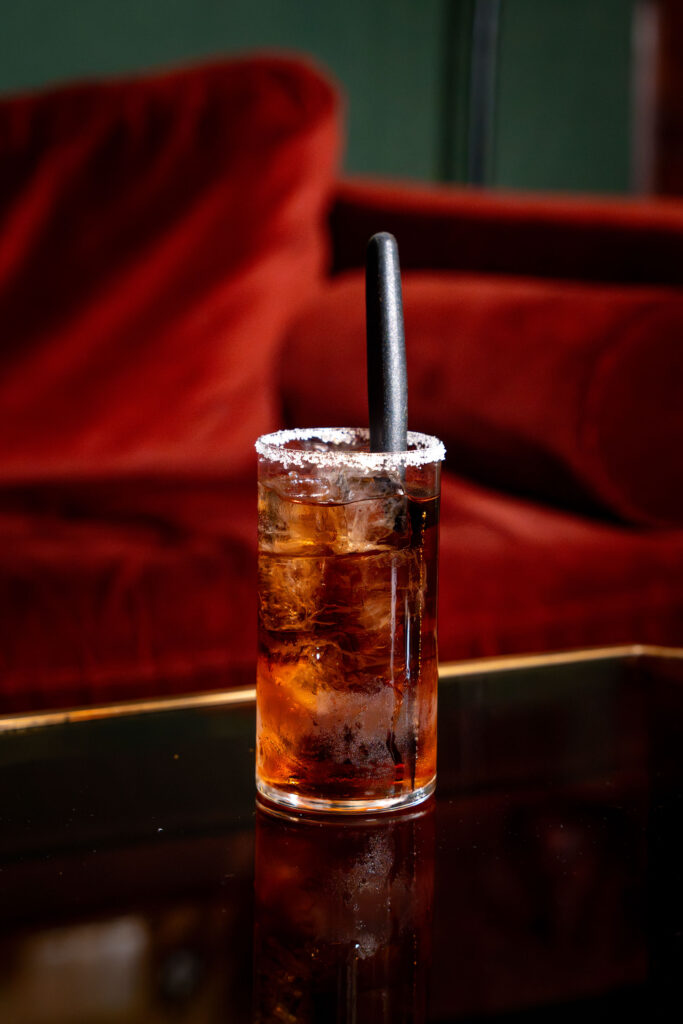
The Batanga emerged between the late 1950s and early 1960s, created by a legendary bartender in the town of Tequila: Don Javier Delgado Corona (1925–2020).
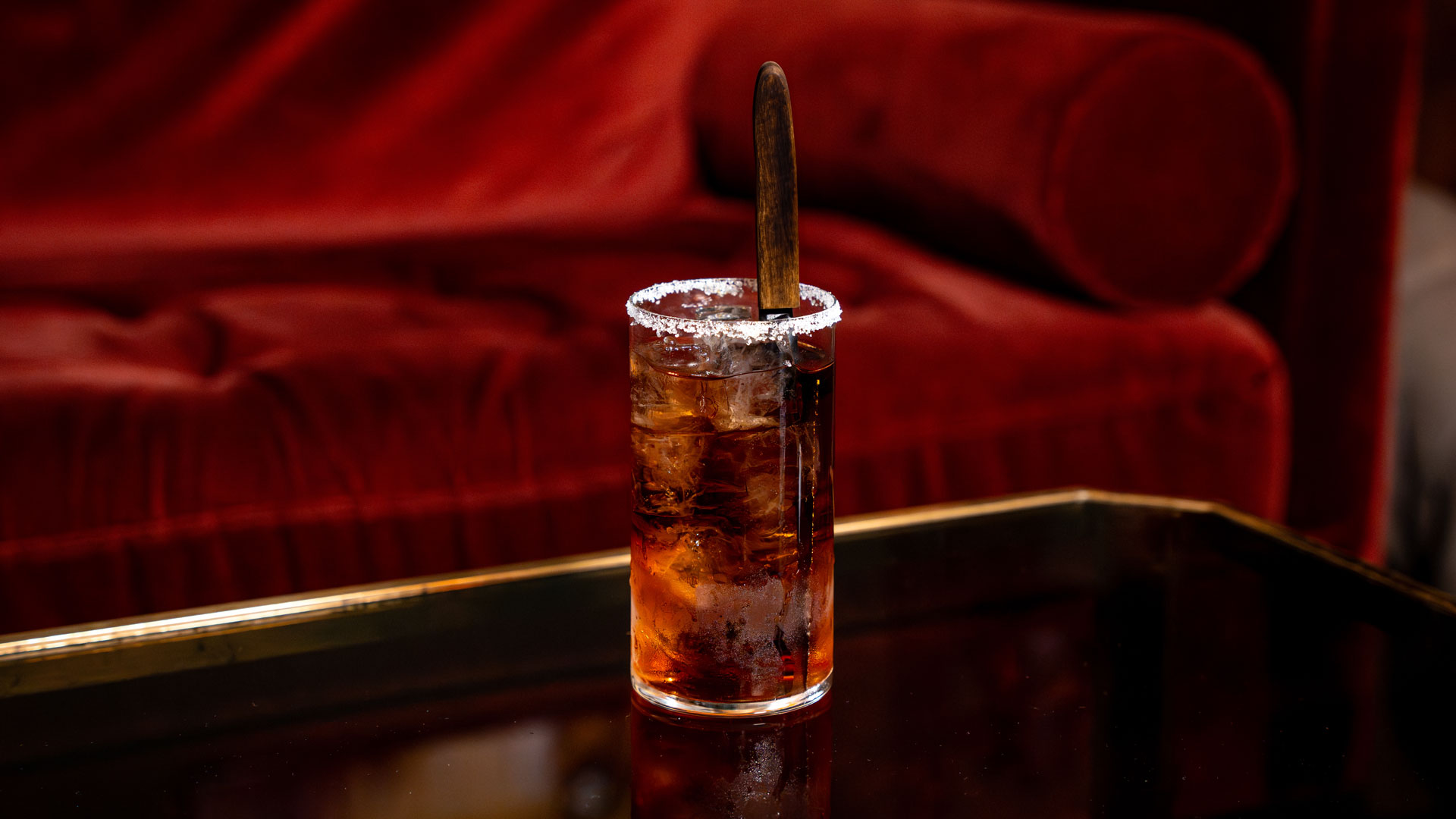
In essence, the Batanga resembles a Charro Negro, often described as Mexico’s counterpart to the Cuba Libre. The ingredients are familiar—tequila blanco, fresh lime juice and cola—served over ice in a salt-rimmed glass.
Its defining flourish lies in the stirring technique. Don Javier mixed the drink using the same knife that had just been used to cut the lime. What began as a practical gesture evolved into a signature detail and, over time, a small piece of cocktail lore.
Why Batanga and Cantarito Are So Popular
Pinpointing the precise reasons behind a trend is rarely simple. Still, several factors help explain the current momentum behind these two drinks.
One key driver is the global expansion of the tequila market, particularly the premium category made with 100 percent agave, the type typically used in both Cantaritos and Batangas.
Italy offers a clear example. According to the Consejo Regulador del Tequila, the country imported 9.1 percent more tequila in 2025, eighth-largest importer worldwide.with 84.2 percent of those imports belonging to the premium segment. Italy now ranks as the
As tequila gained ground, classic cocktails such as the Margarita and the Paloma naturally benefited first. Soon afterward, curiosity expanded toward lesser-known recipes, opening the door for drinks like the Cantarito and the Batanga.
Authenticity and Sharing
Each cocktail also carries elements that resonate with contemporary drinkers. In the case of the Batanga, the image of Don Javier stirring the drink with a knife has become a symbol of authenticity—a story that bartenders can share and guests can remember. Narrative and heritage have become increasingly valuable in modern drinking culture, particularly among Millennial and Gen Z consumers.
The Cantarito offers a different but equally appealing quality. Its clay vessel adds visual character and a sense of tradition. At the same time, the drink lends itself easily to social occasions: the classic individual jug can expand into larger pitchers meant to be shared.
The Role of Social Media
These elements have naturally found fertile ground on social media, particularly on platforms such as TikTok. Videos featuring clay pitchers, citrus-heavy mixes and knife-stirred cocktails have amplified the visibility of both drinks.
That exposure feeds a self-reinforcing cycle: more videos lead to greater curiosity, which inspires more content and further popularity—a dynamic that became especially visible throughout 2025. Determining the exact weight of social media trends in real-world consumption remains difficult. What is certain, however, is that tequila exports have increased globally, and that shift has influenced what drinkers ask for at the bar.
No Longer Hidden Gems
The rise of the Cantarito and Batanga does not suggest a dramatic upheaval in the cocktail hierarchy. According to Drinks International’s 2025 report, the Margarita and the Paloma remain by far the most requested tequila cocktails worldwide.
Still, the two Mexican classics have moved well beyond the realm of hidden gems. Today, ordering a Cantarito or a Batanga rarely surprises the bartender behind the bar—and that alone signals how far they have traveled.
Photo credits Emanuel Florentin and Julie Couder x Coqtail, location Mag La Pusterla and Bob Milano – all rights reserved