
On Oct. 6, Otro Bar and Isolina will arrive from San José for Noche en Barrio Escalante, a one-night takeover at Casa Tobago built around cocktails, Costa Rican cooking and vinyl. From 7 to 11 p.m., the teams behind two of Casa Escalante’s projects will take over the bar and kitchen, with Polot 1882, Opificium and Coqtail – for fine drinkers joining the evening.
There will be no prescribed pairing menu. Drinks and food will operate independently, giving guests room to order across both menus — or simply stay at the bar, listen to records and see where the night goes.
San José Lands in Milan
Milan will be crowded with bartenders on Oct. 6. The 50 Bars 2026 ceremony takes place the following day, drawing much of the international bar community to the city. Casa Tobago is using the occasion to look toward Costa Rica.
Otro Bar, which recently entered The 50 Bars’ extended 51–100 ranking, will handle the cocktails; Isolina will take over the kitchen. The night will be overseen by Casa Tobago’s Operations Manager, Alberto Corvi, but neither side has been asked to bend its menu around the other. Guests can move freely between the two.
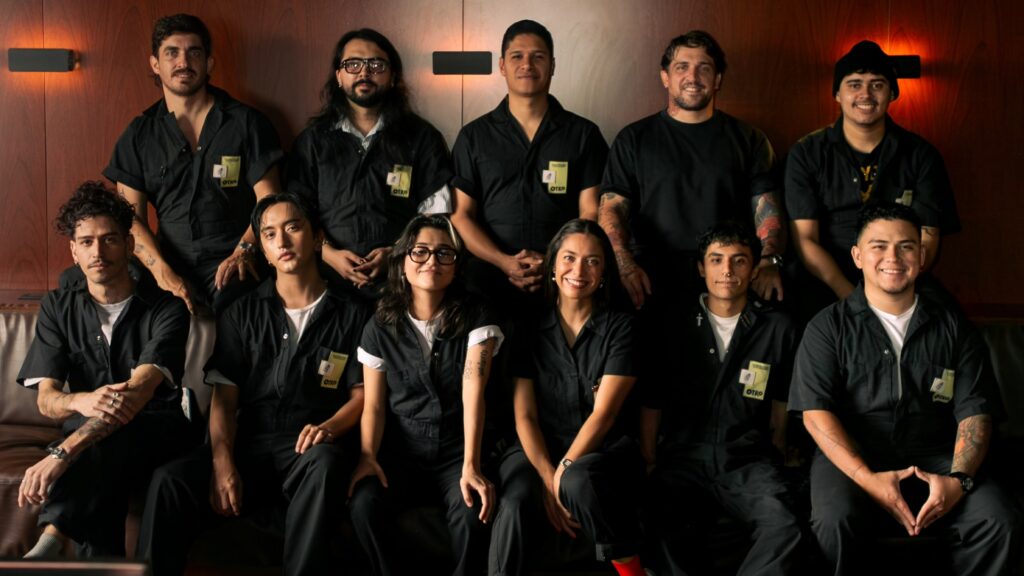
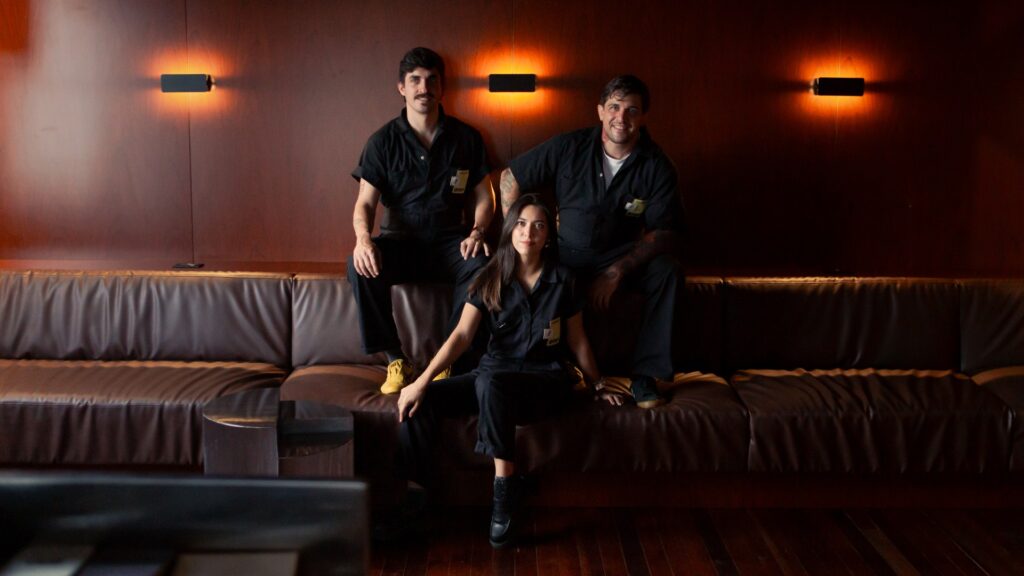
The Costa Rican contingent includes Casa Escalante founders Lissa Barquero, Fernando Crespo and Manuel Crespo, along with Nadia Rojas, who oversees Otro Bar’s beverage program; group Operations Manager Mizael Alvarado; and Isolina chef Jose Cordero.
Together, the founders have built a small hospitality ecosystem in San José. Alongside Otro Bar and Isolina, Casa Escalante encompasses Cantina La Buenos Aires and Locoto Imports, which imports and selects spirits and natural wines for the Costa Rican market. Admission to the Milan event is walk-in.
At Otro Bar, the Soundtrack Matters
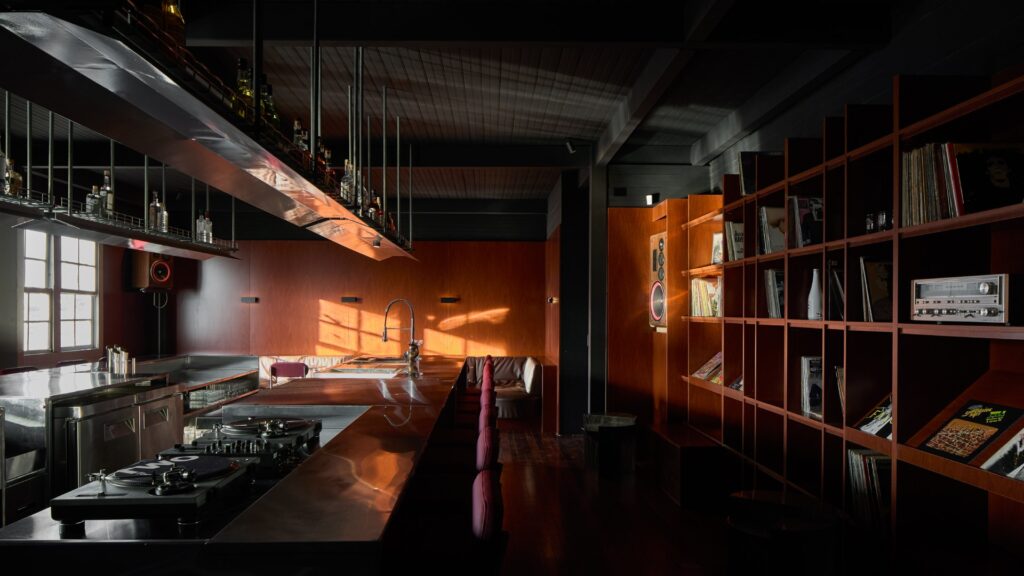
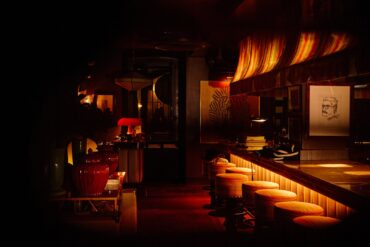
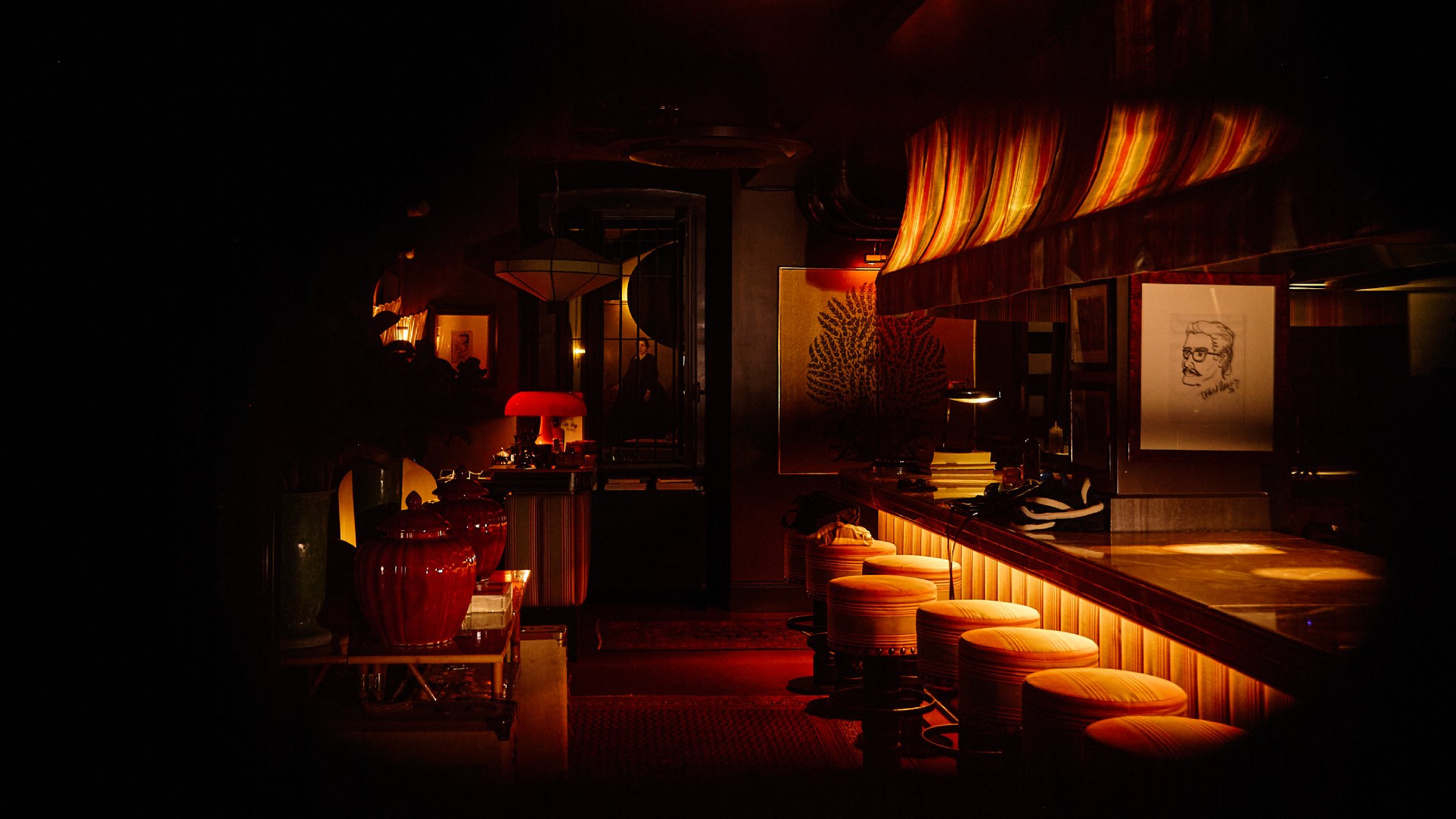
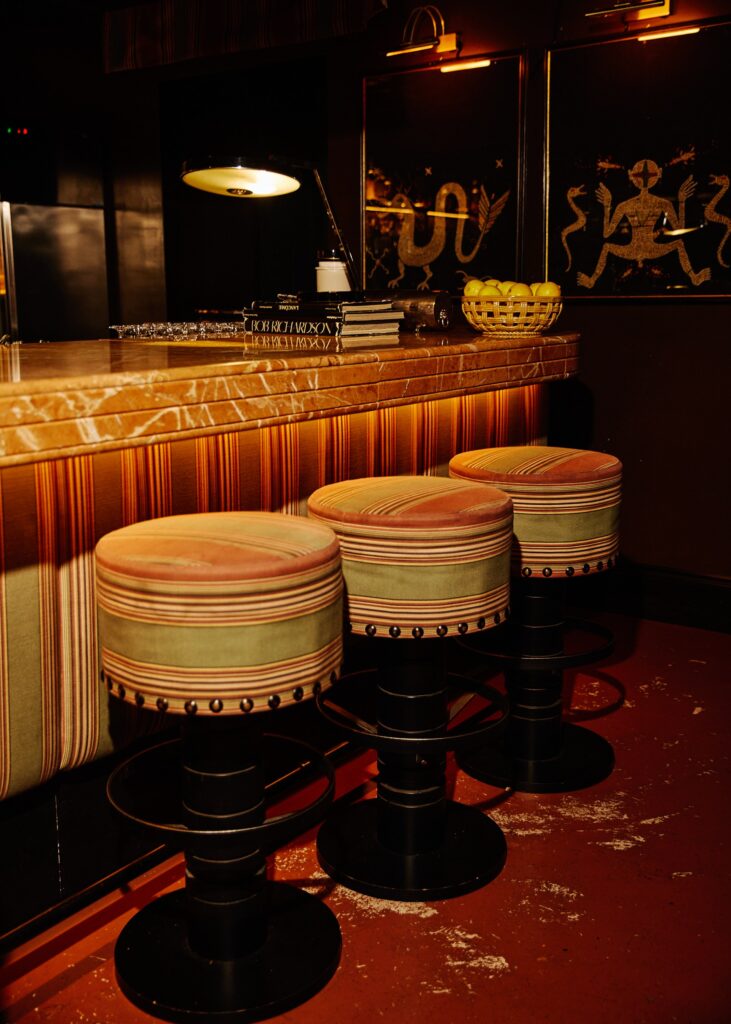
Finding Otro Bar in San José requires looking up. The listening bar occupies the second floor of a building dating to 1905, above Cantina La Buenos Aires. Its restoration retained the original timber structure, with a central bar organizing the room around it.
Records are fundamental to the experience. Analog sound, low lighting and an intimate room encourage a slower kind of drinking, with music setting the pace rather than serving as incidental background.
That economy carries into the cocktails. Otro Bar looks to the Costa Rican pantry — corn, coffee, banana, tapa de dulce, salt — and pares recipes down to a relatively small number of elements. Much of the preparation happens in-house, with familiar ingredients recast through contemporary technique.
The creative direction comes from Barquero, a co-owner, architect and food journalist who studied at the Basque Culinary Center. Crespo, co-owner and Director of Operations, brings more than two decades of hospitality experience to the management and expansion of the group.
Four Drinks Made for Milan
Otro Bar has devised four cocktails for its night at Casa Tobago, moving between tropical fruit, herbs, floral flavors and ingredients that carry particular associations in Costa Rican food culture.
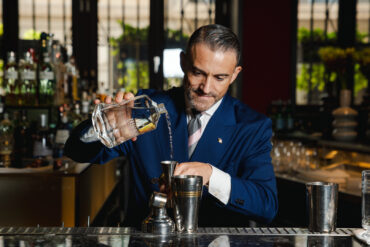
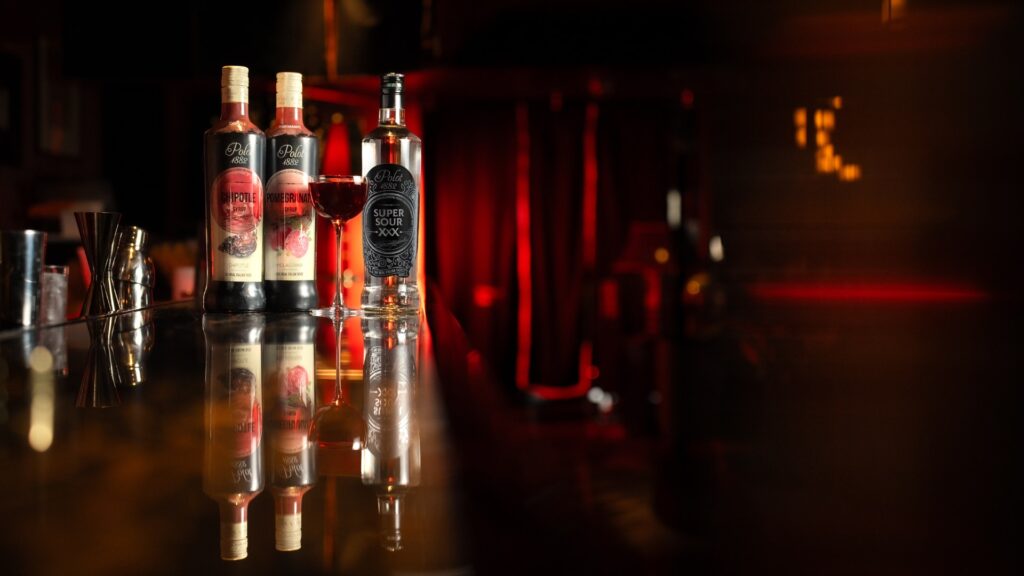
The Highball Fresquito combines gin, soursop and soju with strawberry shrub, a flavored milk typical of Costa Rica and Polot 1882 Vanilla Syrup. Juguito Verde takes a more vegetal route, with mezcal, sage, lemongrass, herbal liqueur and Polot 1882 Sage Syrup.
For Salmoncito, the team uses LDN Opificium as an alcohol-free base, adding criolla grapefruit cordial and bitters. Julieta en Avión brings together gin, sweet dry biscuits, violet, a citric mix and a vanilla-citrus liqueur.
Isolina’s story begins with a house. The restaurant opened in 2016 in a San José home built in 1942 and once owned by the Crespo family. Its name comes from Isolina de Vaars, the house’s original owner and an ancestor of its founders.
For Milan, chef Jose Cordero has chosen four dishes: grilled prawns with green papaya ceviche; octopus with brown-butter vinaigrette and miso emulsion; tuna tartare with green plantain and pico de gallo; and empanadas filled with oxtail. His cooking starts with Costa Rican produce and producers, while drawing on influences gathered across Latin America, Buenos Aires and Italy. Seasonality and availability determine much of what reaches the table.
The dishes have deliberately been kept separate from Otro Bar’s cocktail menu. A guest might pair one with a drink, order several, or make no pairing at all. It is a small distinction, but one that says something about the evening: this is meant to feel like a night out rather than a guided tasting.
Isolina Brings the Family Table
Isolina’s story begins with a house. The restaurant opened in 2016 in a San José home built in 1942 and once owned by the Crespo family. Its name comes from Isolina de Vaars, the house’s original owner and an ancestor of its founders.
For Milan, chef Jose Cordero has chosen four dishes: grilled prawns with green papaya ceviche; octopus with brown-butter vinaigrette and miso emulsion; tuna tartare with green plantain and pico de gallo; and empanadas filled with oxtail. His cooking starts with Costa Rican produce and producers, while drawing on influences gathered across Latin America, Buenos Aires and Italy. Seasonality and availability determine much of what reaches the table.
The dishes have deliberately been kept separate from Otro Bar’s cocktail menu. A guest might pair one with a drink, order several, or make no pairing at all. It is a small distinction, but one that says something about the evening: this is meant to feel like a night out rather than a guided tasting.
A Former Milanese Nightlife Landmark Gets a Costa Rican Takeover
Casa Tobago opened in 2023 at Viale Umbria 120, but Milanese nightlife has occupied the address for decades. The space was once home to Plastic, the club that became part of the city’s nocturnal mythology from the 1980s into the early 2000s.
Today, the project by Alessandro Cesario and Christian Brigliadoro, founders of Gruppo Sequoia, occupies roughly 450 square meters, including a 200-square-meter outdoor area. Its open kitchen is organized around an oven and grill: pizzas, focaccias and breads on one side; meat, fish and vegetables cooked over fire on the other.
Corvi oversees a beverage program spanning cocktails and wine, while Rosario Amaya, a small club tucked inside Casa Tobago, has a bar of its own. On Oct. 6, though, the center of gravity shifts to San José. Otro Bar brings the drinks and the records; Isolina brings the food. For one night, a corner of Milan becomes a little more like Barrio Escalante.
Casa Tobago, dal fuoco al bancone
Immagini courtesy of Casa Tobago, Isolina and Otro Bar