
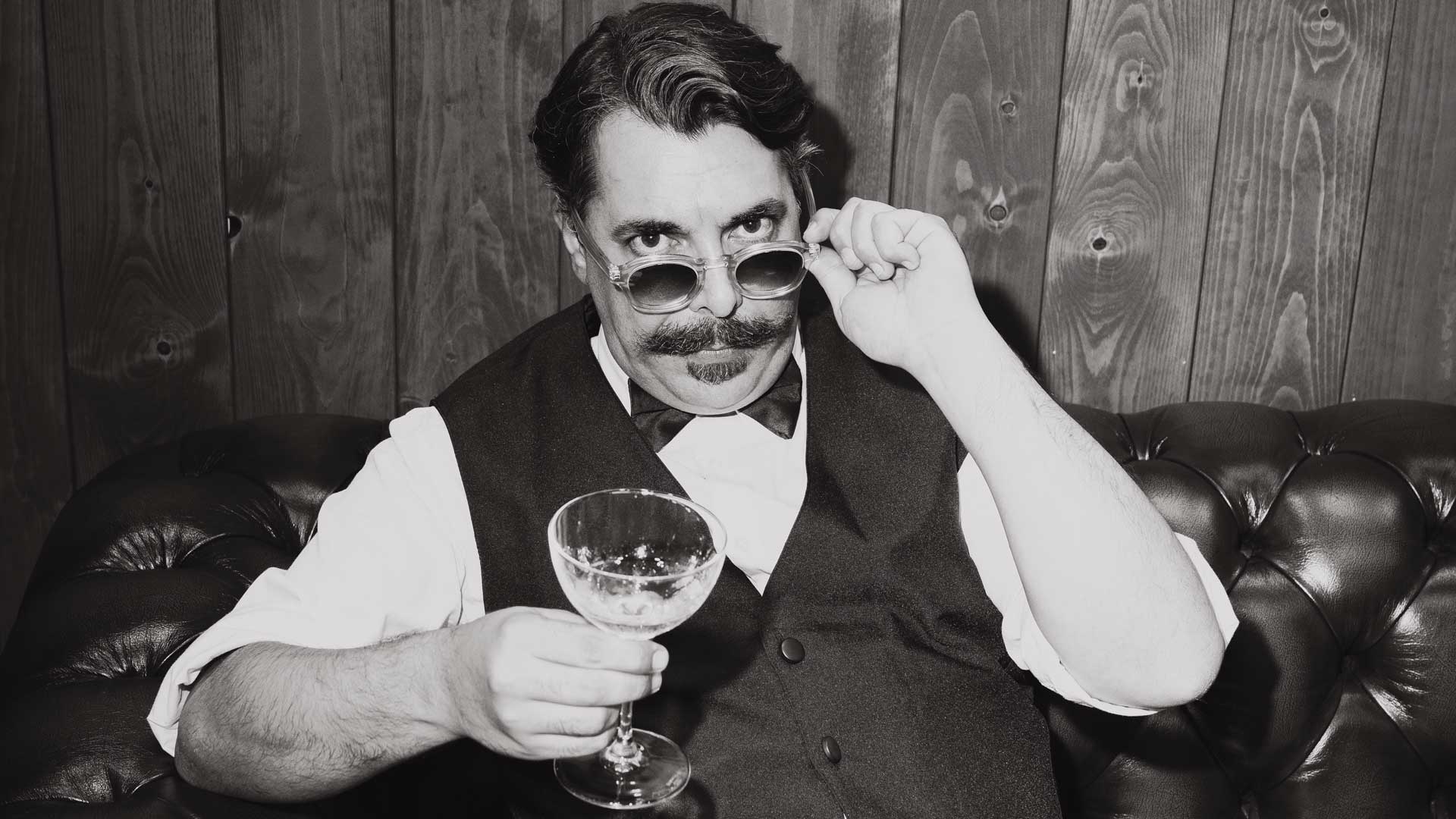
Brown-Forman brought Bar Fabric to Italy for the first time at Roma Bar Show, introducing its global hospitality platform to the country’s bar community. Built to connect bartenders with the people and brands across the Brown-Forman portfolio, Bar Fabric turns the usual brand-led model on its head: bartenders set the agenda, sharing the ideas, experiences and working practices shaping the industry, while the spirits themselves provide a reason to gather around a well-made drink. For its Italian debut on Sept. 14 and 15, Brown-Forman invited Bologna’s Volare to take over the space and run it as a cocktail club, with hospitality at its core.
Inside the Bar Fabric Cocktail Club
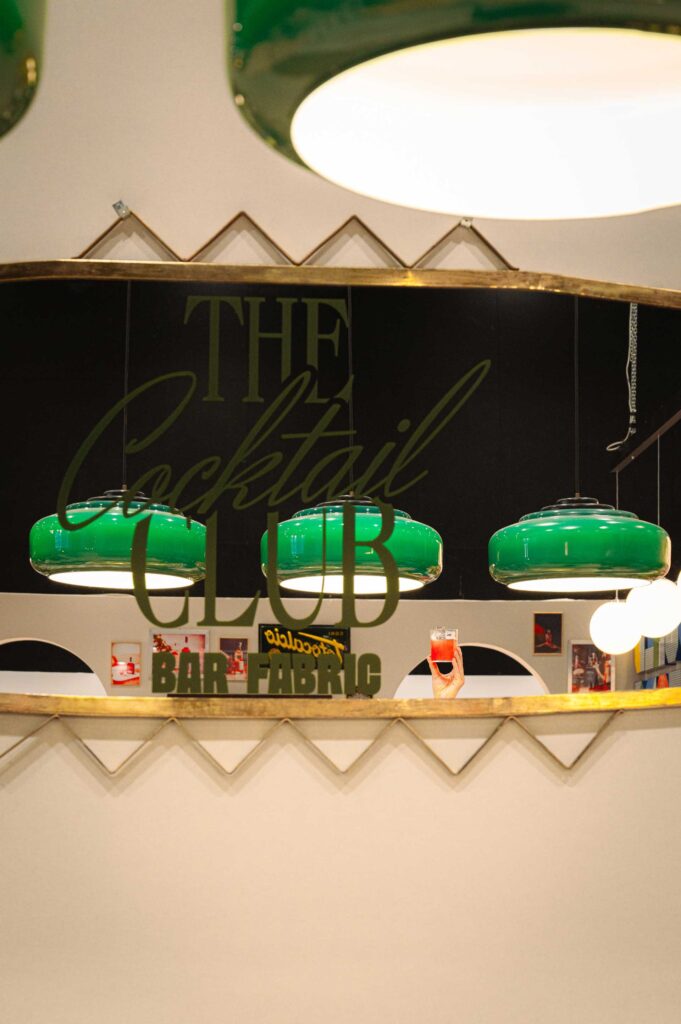
Come for a cocktail, stay for coffee. That was perhaps the simplest way to understand Bar Fabric at Roma Bar Show, which this year moved to La Nuvola in Rome’s EUR district. People lingered. Friends and colleagues ran into one another. Conversations carried on long after the drinks were finished. “At a trade show, everyone is trying to sell you something. We want to offer hospitality,” said Nidal Ramini, Brown-Forman’s Advocacy Director EU, IMEA, APAC & GTR.
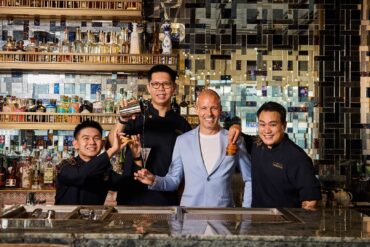
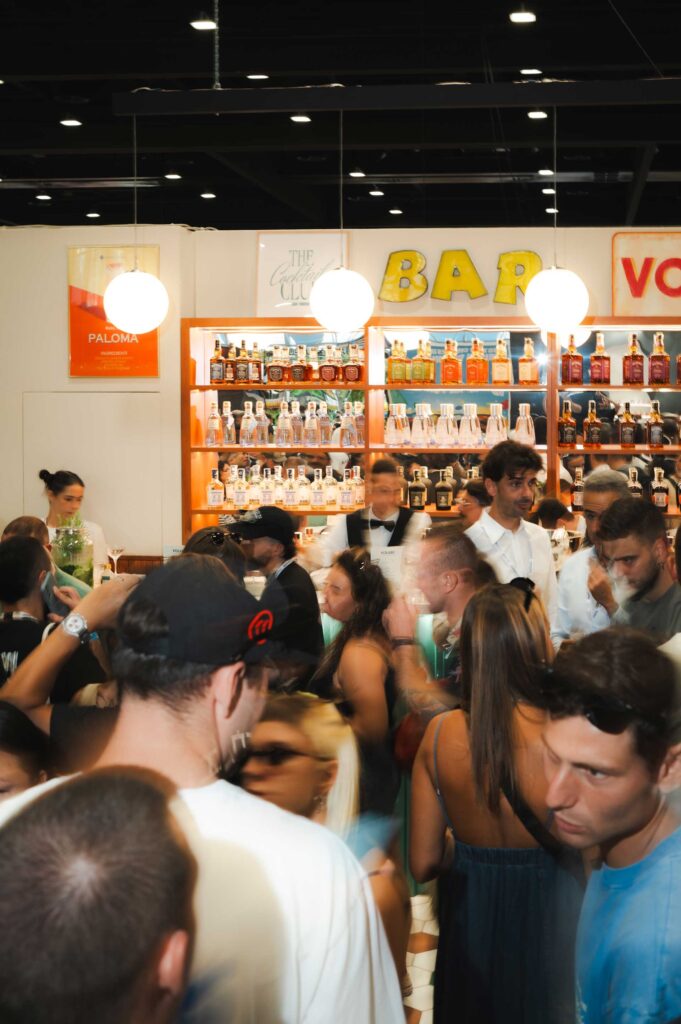
For Ramini, the success of Bar Fabric’s Italian debut could be read in how people used the space — and, particularly, in how long they stayed. Over two days, bartenders and hospitality professionals moved through a roughly 90-square-meter cocktail club modeled on the Italian bars of the 1960s and ’70s. Behind the counter was the team from Volare, the Bologna bar led by Beppe Doria, serving its own drinks while bringing something harder to transplant from one city to another: its particular style of hospitality.
“If you finish your cocktail, decide to stay for a coffee and keep talking to the people you’ve met, you feel at home,” Ramini said. “That’s the kind of hospitality we want to create.”
Putting People Before Brands
Bar Fabric brings together programs that once lived separately across the Brown-Forman portfolio. “Each brand used to run its own events, masterclasses and projects through its ambassadors,” Ramini said. “Jack Daniel’s had one program, Woodford Reserve another, and the same went for Gin Mare and Diplomático. Bar Fabric connects all of that. It allows bartenders to discover Brown-Forman as a whole — the brands, certainly, but more importantly the people behind them. It gives us a shared place to meet, exchange ideas and build relationships that last beyond a single event.”
That distinction gets to the heart of what Brown-Forman means by advocacy here. Bar Fabric provides access, connections and a place to come together; bartenders determine what is worth talking about. The idea grew out of Ramini’s assessment of the way spirits companies have traditionally approached the trade.
Rethinking Advocacy
“My team and I looked at around 100 advocacy programs across Europe, from major international competitions to much smaller initiatives,” Ramini said. “The model was almost always the same: the brand talked about itself, explained its product and expected the professional to listen. It was a one-way conversation. With Bar Fabric, we decided to begin with the questions, needs and subjects coming from bartenders themselves.” That shift also changes where authority sits.
“The real experts are the bartenders,” Ramini said. “They know what is happening in bars, what guests want and how the job is evolving. Our role at Brown-Forman is to listen to those experiences, give them visibility and help share them. Hospitality professionals should always be at the center of the conversation.”
Where Consumers First Discover a Spirit
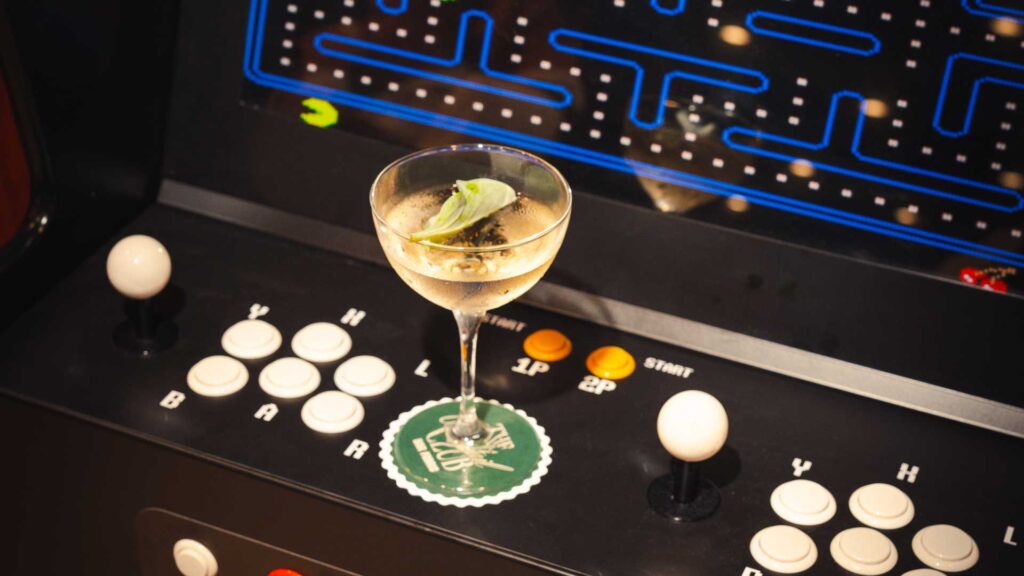
For spirits companies, listening to bartenders is hardly an abstract exercise. For many consumers, their first encounter with a bottle happens at a bar — in a cocktail, introduced by the person who made it. Long before someone considers buying a bottle, a bartender may have already shaped the way that spirit is understood.
“The first time someone tastes Woodford Reserve, Diplomático or Glenglassaugh, they’re most likely in a bar,” Ramini said. “Most people aren’t going to pick up a bottle they’ve never heard of from a shelf. A bartender introduces it to them through a cocktail and through the experience around that drink. We have to respect that role and support what bartenders want to do. Asking them to tell our stories isn’t enough. We want to hear theirs.”
Bar Fabric also lives beyond physical events. On Instagram, the platform turns its attention to bars and cities, careers and personalities, leaving product education to the ambassador teams attached to individual brands.
“Bar Fabric isn’t about teaching people the history of whisky or walking them through distillation,” Ramini said. “We already have teams who do that extremely well. This is somewhere you can hear from some of the most interesting people in the industry, find useful information and discover cities and bars you may not know. You can encounter friends, colleagues and people you might never otherwise get the chance to meet. It’s a window into what’s happening in bars around the world.”
Italy Joins a Global Bar Community
Rome marks the latest stop for a project already active in the United Kingdom, Germany, France, Turkey and several Asian markets. Bar Fabric initially operated through separate national channels. As it grew, Brown-Forman began folding those audiences into a single international community.
“We eventually asked ourselves: Why are we keeping these communities apart?” Ramini said. “An Italian bartender is looking at London, Singapore and Tokyo, too. They can be inspired by a bar in Rome and recognize that same sense of hospitality in Paris or Japan. So many of the issues people face in this profession are shared. Hospitality crosses borders.” Bar Fabric may operate globally, but its expression is deliberately local.
“In Japan, you’ll see a lot of highballs. In Italy, aperitivo plays a very different role,” Ramini said. “Drinks change, habits change. What remains constant is the quality of the service and the ability to make people feel welcome.” Italy adds an unusually varied bar landscape to that network: independent cocktail bars, grand hotels, restaurants and drinking cultures that can shift dramatically from one city to the next. Rome and Roma Bar Show provided the introduction. Volare offered the first case study.
Volare Takes Over Bar Fabric
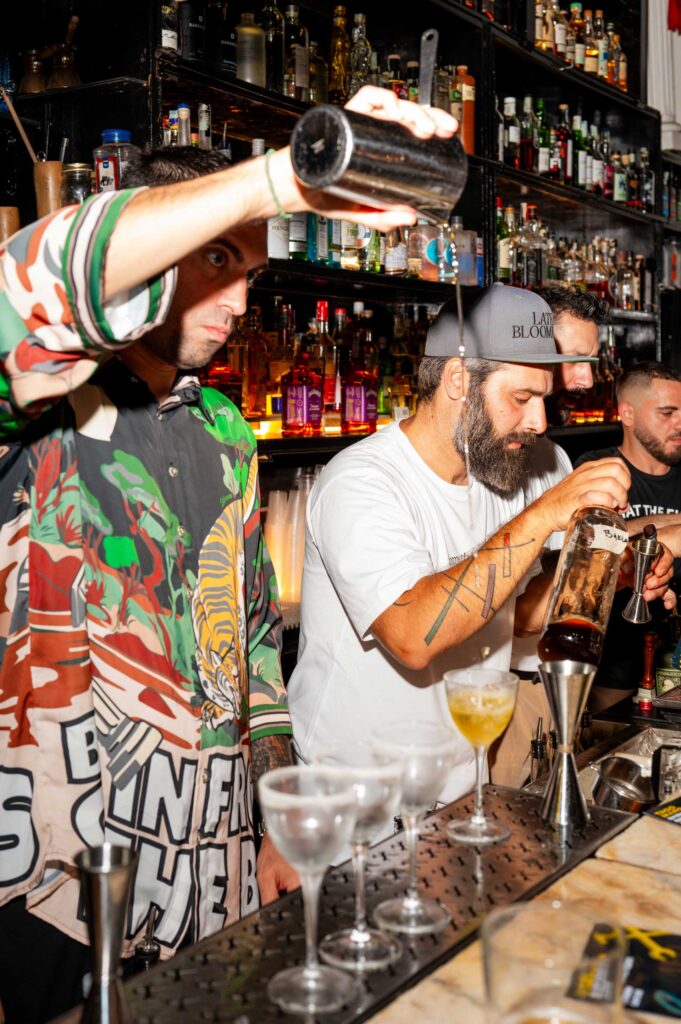
Brown-Forman handed its Roma Bar Show space to Volare for two days, giving the Bologna team more than a guest shift. It gave them a temporary bar. Volare served its own cocktails — including the Martini Spaghetti — but the drinks were only part of the exercise. The idea was to recreate something of the experience of walking into the Bologna bar: the service, the energy of the team and the way guests are received.
“A guest shift lasts a few hours, and the focus is usually on the cocktails,” Ramini said. “With the Bar Fabric Cocktail Club, Volare had more time and more space to show how they work: the service, the hospitality, the team. For people who had never been to Volare, this was a chance to discover the bar through its bartenders — and perhaps find a reason to fly to Bologna.” Bar Fabric may have given them one more.
Images courtesy Bar Fabric
In partnership with Brown-Forman