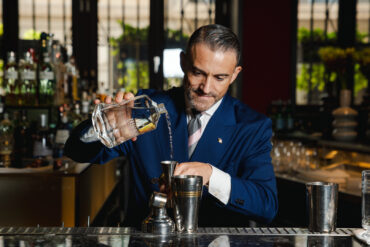

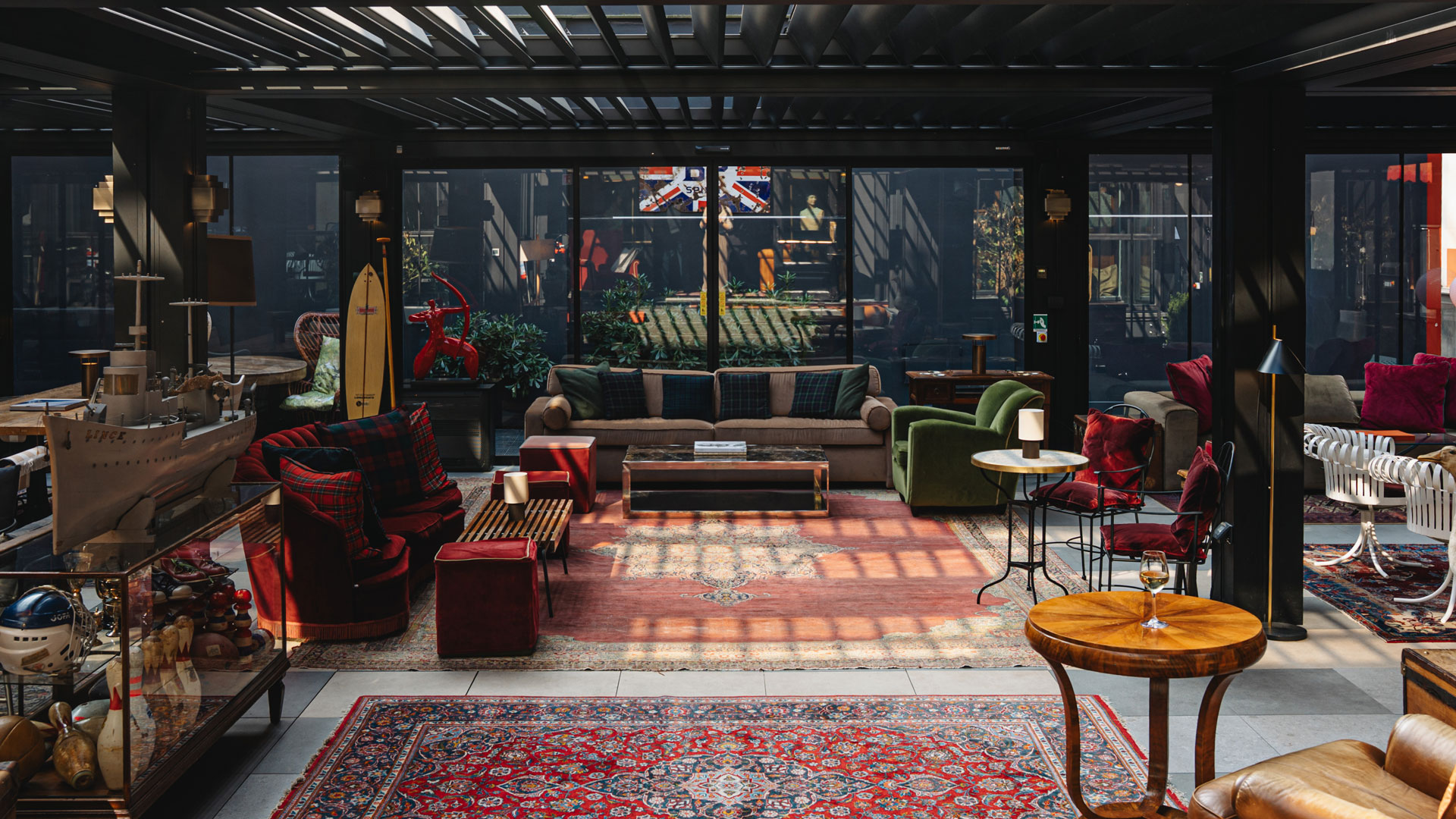
The Doping Milano changes its look, at least in two key areas. The pergola has been completely rethought, and the lab makes its debut. After months of closure, the bar reopens by refining what has always defined it as “a sophisticated refuge inside the five-star Aethos Milan,” focusing only where it truly mattered. Nicola Romiti, who also oversees the bar at The Doping Champoluc, shares the latest updates.
The Doping Milano Today
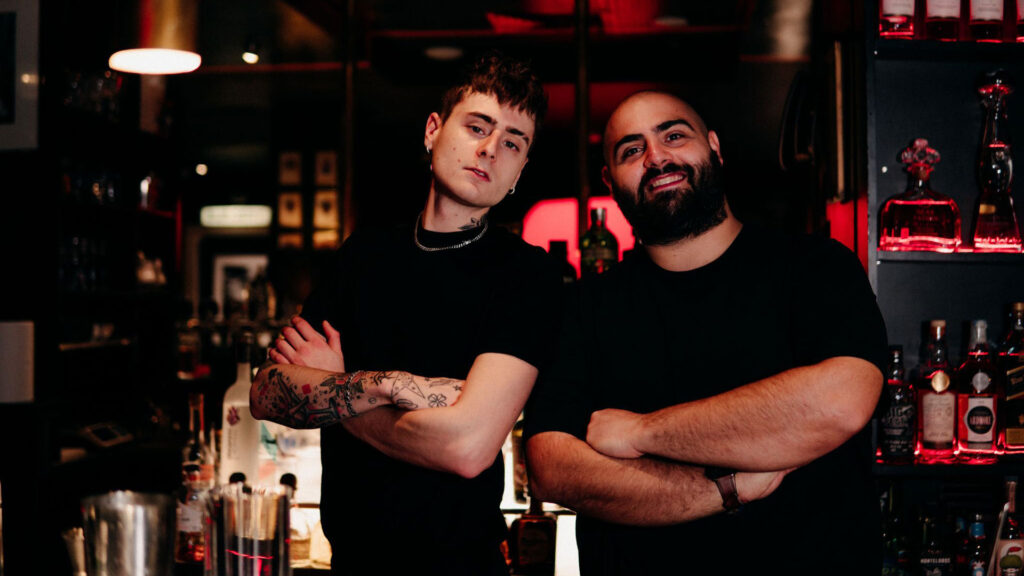
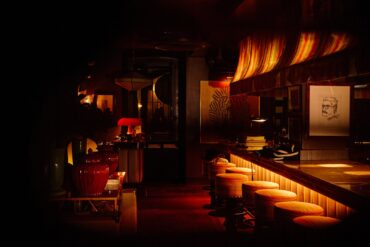
To understand this new phase, it helps to look at the broader setting. The bar was conceived within what is now Aethos Milan, in the Porta Ticinese area, as a natural extension of the hotel. Designed initially for guests, it soon developed its own identity and began attracting a dedicated clientele. Its recognisability comes from layered interiors and objects collected over time.
That approach remains unchanged. “The interiors continue to mix vintage and contemporary elements, with each piece finding its place within the space. This is what gives the bar an international feel, more tied to the way people inhabit it than to a declared style,” explains Romiti.
Over time, the project has evolved alongside the property, becoming part of a wider network while strengthening its role within the hotel. “We started as the hotel’s cocktail bar, but today The Doping is a destination in its own right—people come here specifically for the bar.”
The Pergola And The Courtyard
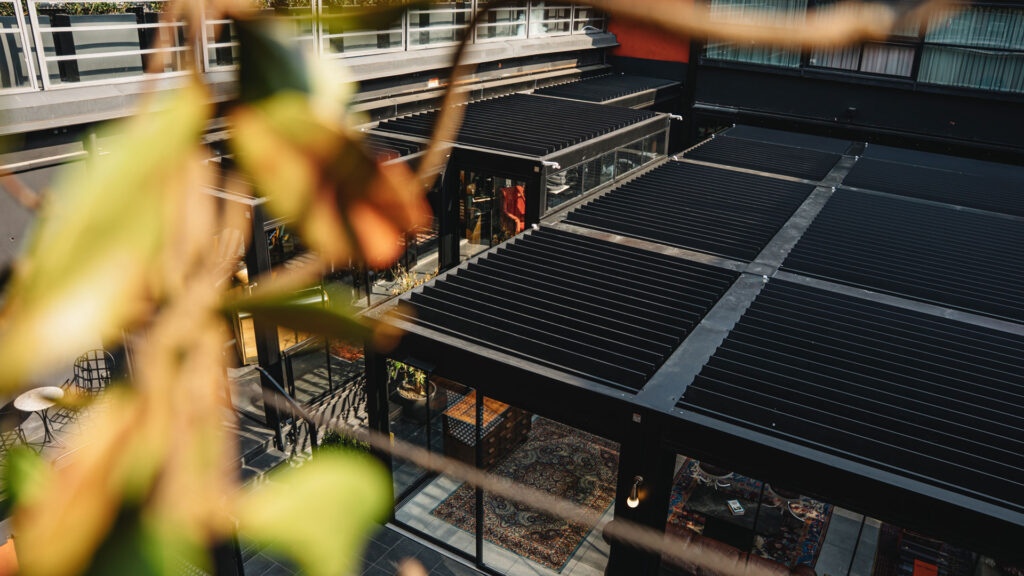
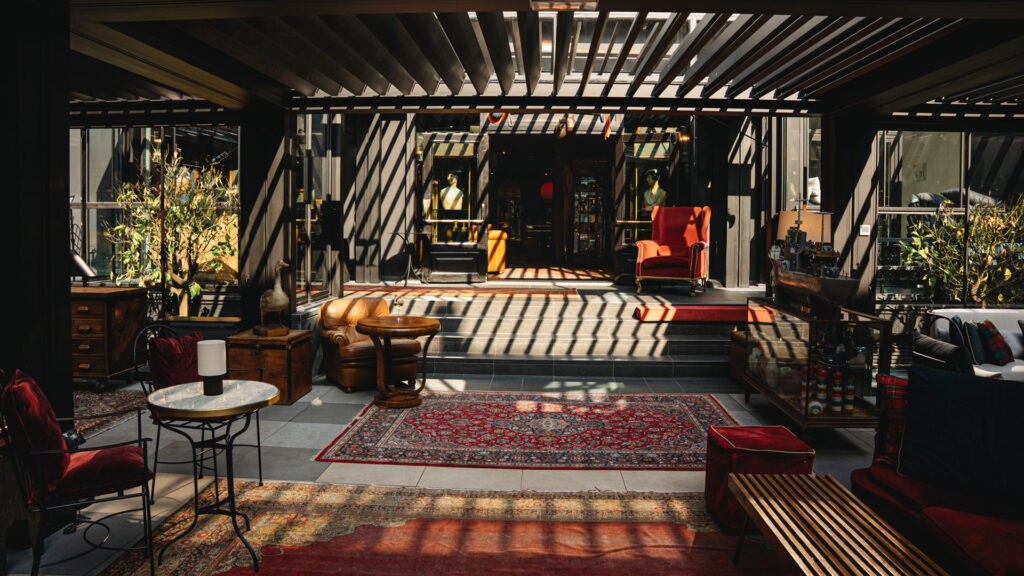
The main updates focus on the courtyard. “The old pergola has been removed and rebuilt to function even during warmer months. The new structure is more compact and fully adaptable.”
A louvered roof regulates natural light, while sliding glass panels on all sides allow the space to open or close seamlessly. “It’s a fresher, more flexible environment that we can fully open or enclose and climate-control depending on the moment.”
During the day, light moves across surfaces, shifting the perception of the space throughout the hours. In summer, the transformation becomes functional as well. Dozens of planters and trees introduce a strong green presence, shaping the pergola into a garden setting. Around sixty seats, arranged between tables and sofas, maintain the intimate atmosphere that defines the venue—more a refined living room than a traditional bar.
Inside, the original structure remains intact. Wooden tables, Persian rugs and design objects have been restored and reintroduced, with sofas reupholstered and materials refreshed. “We kept everything that made sense to keep, giving it a new life.”
The New Bar Counter And The Lab
The most technical intervention concerns the bar counter. While the structure remains, the surface has been updated with tiles in white and terracotta tones. “We redesigned the entire operational area, with stations, fridges and equipment arranged around service efficiency.”
A major addition is the Doping Lab, a 30-square-metre space dedicated to ingredient preparation, equipped with a rotavapor, vacuum machines, centrifuges and other tools. “It’s fully visible from the outside and designed to host more direct experiences with guests. My idea is to open it to small sessions—no more than six people.”
A Cocktail List Inspired By Classic Cars
Romiti and his team—Alessandro Cuomo, Licia Sabatelli and Andrea Brochetta—have also developed a new drink list designed to guide guests from order to first sip. “It’s structured like a book inspired by classic cars that have shaped automotive history, not just in Italy. Each page is easy to browse, with a selection of 15 cocktails between twists on classics and signatures.”
One standout is the Mini Cooper S: gin-based, with house-made pickled gherkins, lime, egg white and a powder made from marinated and dehydrated gherkins, finished with a touch of Maldon salt. Clean, direct, and built for drinkability.
For a restart in pole position with The Doping Milano.
Photo courtesy The Doping Milano