
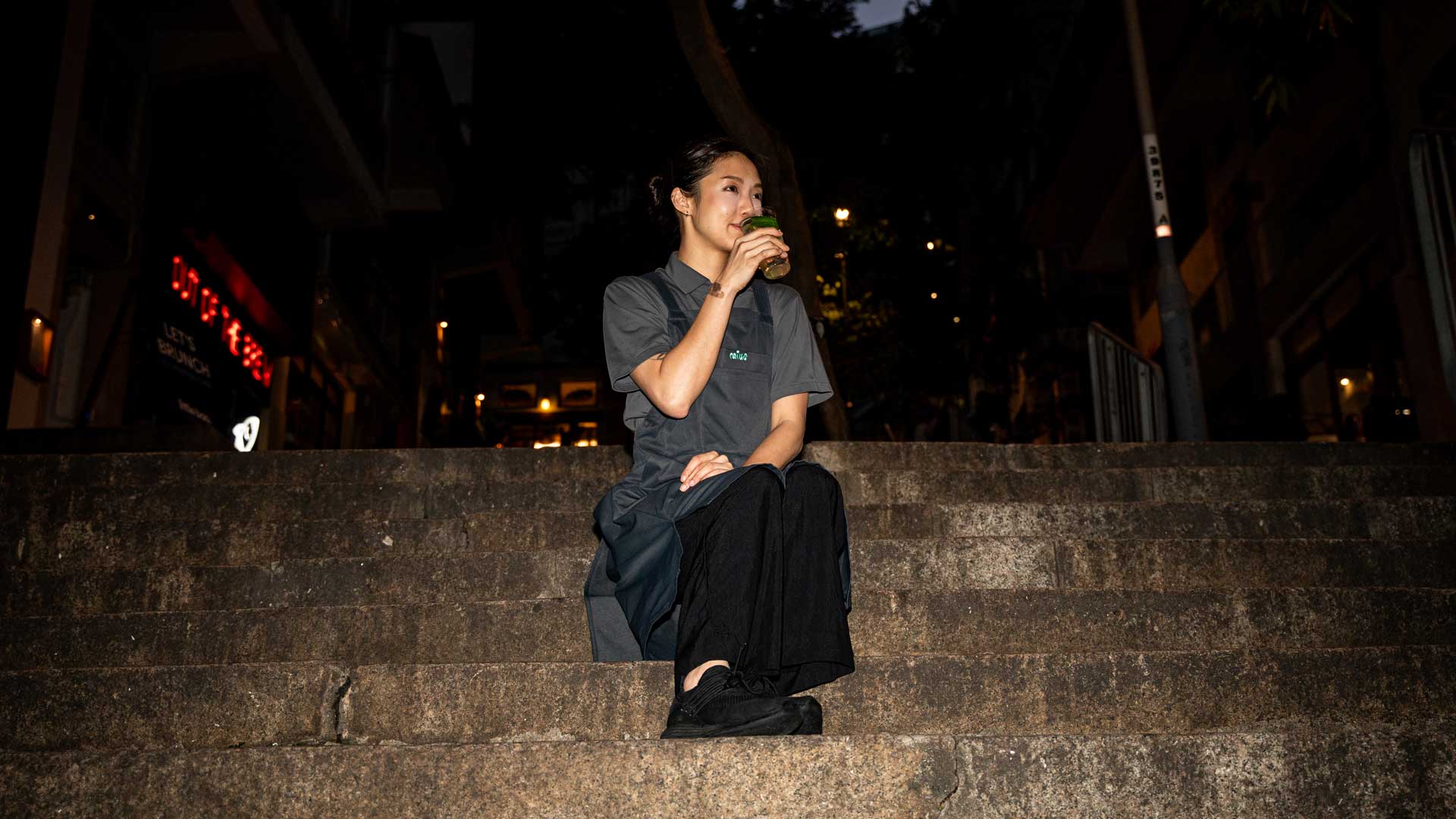
Thinking about “no” requires a clear view of who you have been. For Shelley Tai, the past remains an open lesson. She built her reputation behind the bars of Quinary and Nutmeg & Clove in Singapore, and a few months ago took the lead at Mius in the heart of Hong Kong.
Shelley Tai’s Story
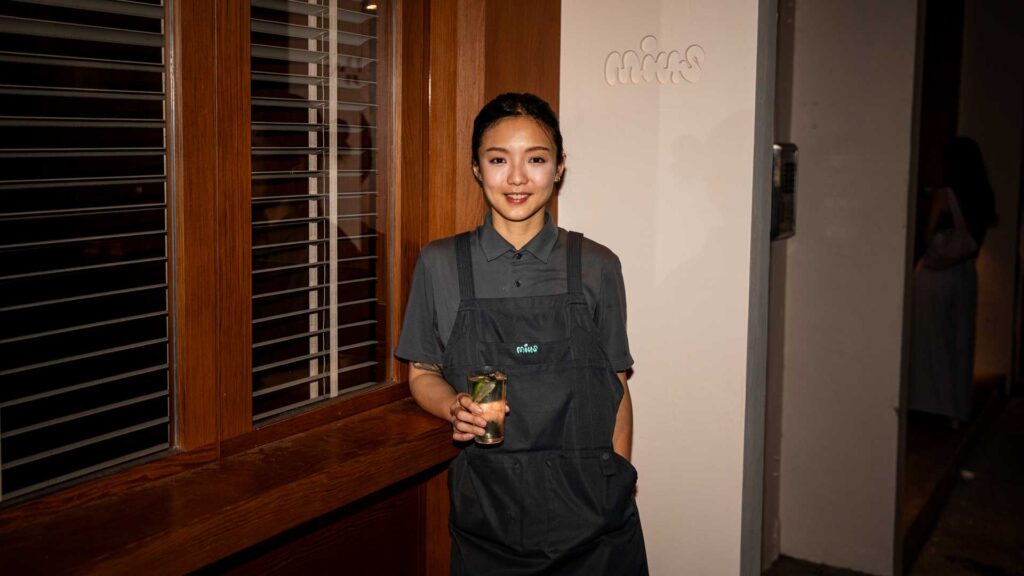
“I think my biggest no was not continuing my studies and my office job, and choosing instead a less traditional career. I worked in fashion merchandising during the day, but I decided to go for something different, even though my family didn’t support it much.” Born and raised in Hong Kong, briefly adopted by Singapore before returning “home,” Tai never allowed outside comments to weigh too heavily on her choices. “I’ve always been very independent,” she says, recalling the clarity she had early on: life is shaped by small, deliberate refusals.
“Rather than a big no, I feel like I got many small ones as I was learning. You have to be patient — maybe you’re not ready to make drinks yet, and you shouldn’t enter competitions if you’re not mature for certain things. I think that slowness used to scare me, but now I understand how important it is not to rush.”
The Importance of Work-Life Balance and Mental Health
The role of refusal is her entry point into the larger conversation about mental health in the bar world, a topic Tai navigates with a deft sense of metaphor while exploring the balance between work and life. “No matters a lot for mental health because you need to read situations, and sometimes slow down,” she says. “Professionally, it’s always better to understand your foundations before climbing the ladder.”
That mindset took shape during her early team-building experiences in Singapore, now she is sharpening it further at Mius. “I think mental health is an issue in hospitality, though not always,” she says. “As for me, I try to protect my own balance between life and work, and I make sure it’s the same for the team — resting enough, not drinking too much, taking care of themselves.”
The Philosophy Behind Mius, Shelley Tai’s New Venue
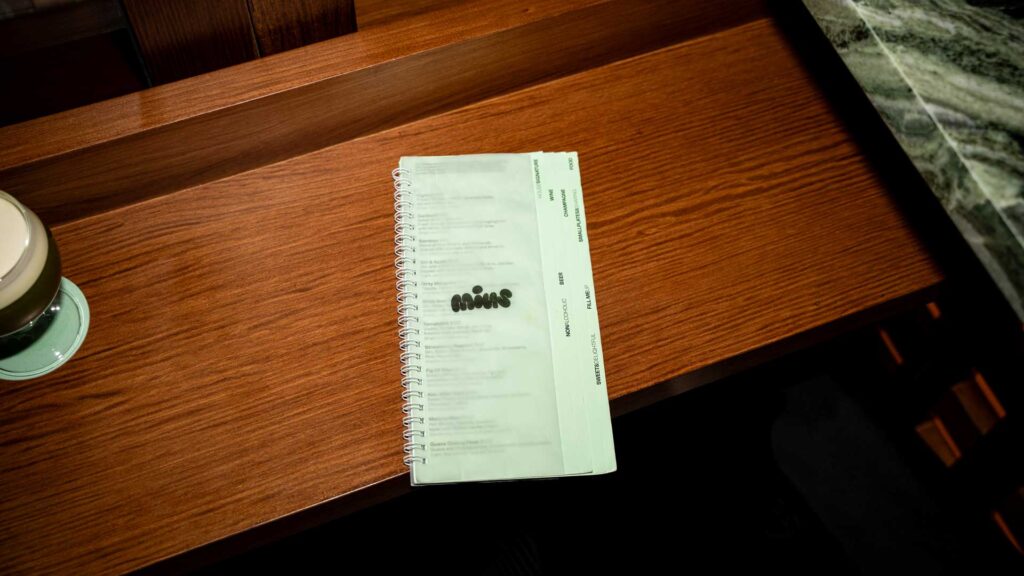
Her vision also informs the non-concept, as she describes it, behind Mius. “We are more of a place to unwind, a neighborhood cocktail bar. Our drinks are very simple, easy — classics with a twist. We only have twelve on the menu so we can focus on precision and make guests feel comfortable. What I’m trying to do differently here is build a team that allows me to monitor both the bar’s growth and their mental wellbeing, so we can work in a healthier environment. I want to contribute to a part of their future career.”
The Importance of Classic Cocktails
Beyond big ideas lies the everyday craft — the constant work of making drinks that feel thoughtful, fresh and quietly surprising. Can you hack a classic and make it even more compelling? Starting from her “Strawberry Negroni“, Tai introduces a kind of method, almost scientific, for expanding flavor into new territory. “When I look at a classic, I think about its structure and how it should be, then I try to translate it with other flavors. For example, a Negroni focuses on bitter orange, right? But I personally don’t like orange, except the fruit itself, so no orange aroma for me. That’s why I leaned into strawberry.”
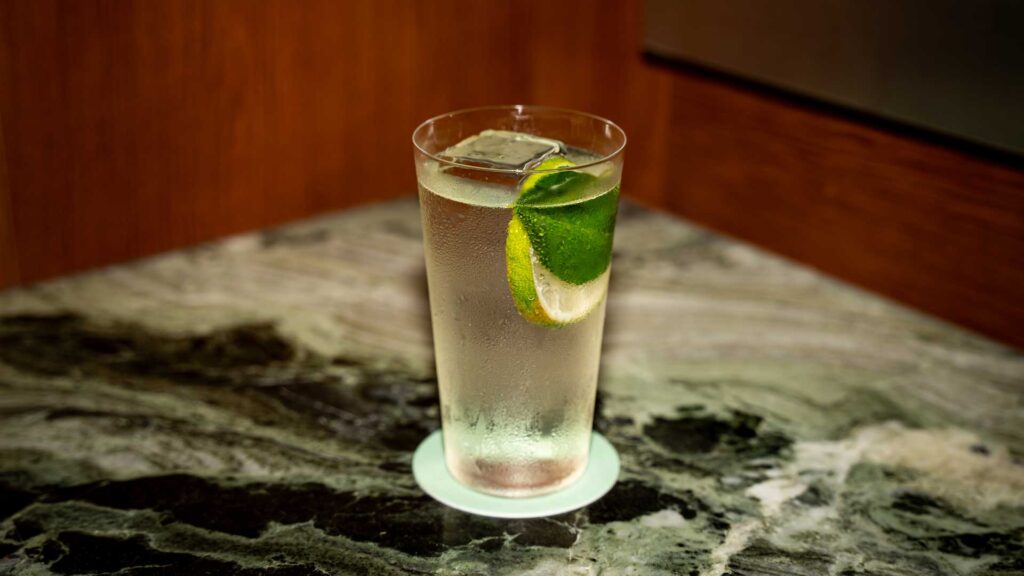
Among Mius’s most ordered drinks is the “Gin & Apple“, a riff on the Gin & Tonic built on an aromatic gin with notes of coconut, pandan and cassia leaves, topped with the bright snap of clarified green apple juice with no added sugar. It’s a quiet challenge to laboratory mixology and to overengineered cocktails laden with ingredients that sometimes miss the mark, leaving guests unmoved.
La visione di Shelley Tai
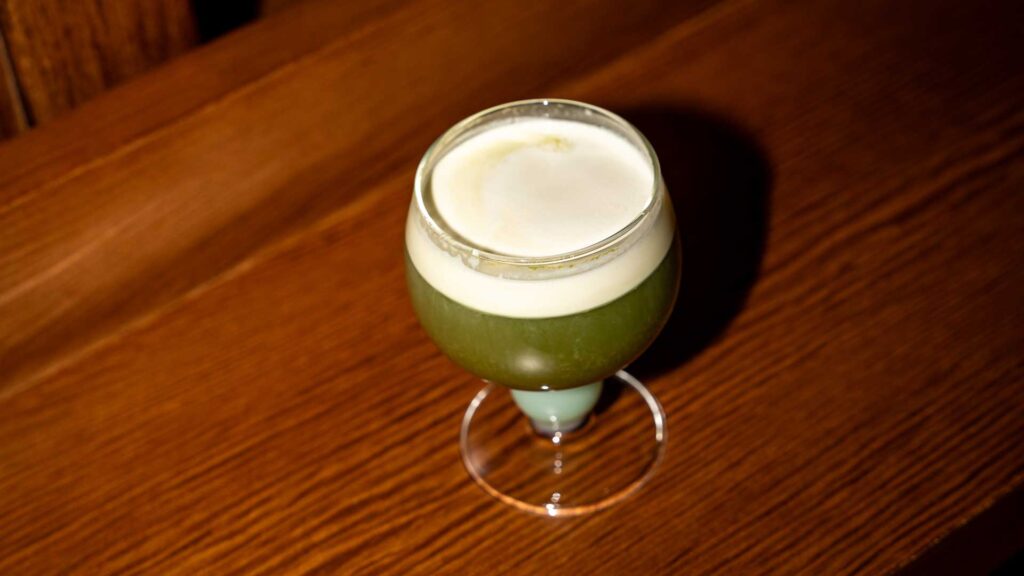
“We always try to get feedback from our guests,” she says. “Some people come just to take a picture for Instagram, but most really enjoy the drinking. Some concepts are inventive and fun once or twice, but they’re not drinks you want every day. In the end, you’ll still want an Highball or a Gin & Tonic.” Classics are comfort. People return to them, and to the places that offer that familiar sense of ease.
That’s the foundation of Mius — and it shapes Tai’s approach to the future, which she keeps sensibly grounded. “We’ve only been open a few months. Right now, I’m refining the team, and we have rented a rest room so people can relax more, and everything is more organized. I’m not sure what the future will be, but when the team is ready to become leaders, we can open places with different concepts.”
The article first appeared on Coqtail – for fine drinkers. Order your copy here
Photo by Julie Couder x Coqtail, all rights reserved