
Tokyo is a vertical, layered city in constant motion. Every neighborhood is an autonomous ecosystem, with its own pace and vocabulary, yet all are bound together by an almost obsessive attention to detail. In restaurants and cocktail bars, that cultural trait has shaped a local scene that balances technique and discipline, blending age-old traditions with a kind of hospitality that treats every gesture as a ritual.
Inside Tokyo’s Cocktail Culture
From the solemnity of omakase counters to the creative freedom of izakaya, from chef- driven dining rooms to the most polished cocktail bars, Tokyo absorbs international influences and filters them through its own distinctive sensibility. The city keeps updating itself with new openings that push mixology toward ever more intricate balances, while chefs work on seasonality and collective memory with a cosmopolitan outlook. Yet it is in the most traditional places that Tokyo’s essence comes into focus.
Marugin, an Highball Institution in Ginza
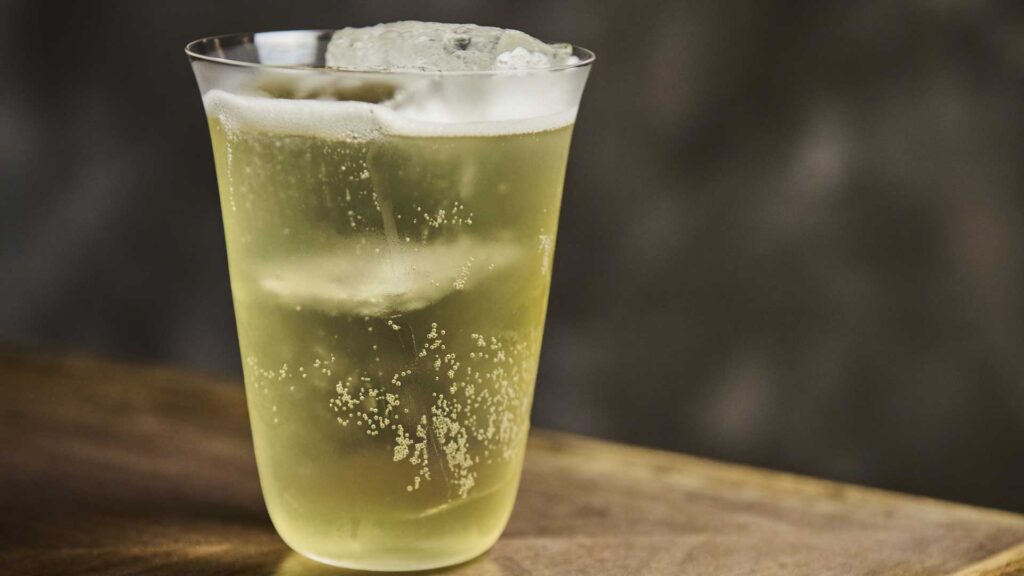
Walking into Marugin, for instance, is like stepping into a parallel dimension. Time has stopped here, and the atmosphere is very different from the glossy cocktail bars that line Ginza. A pioneer of the highball, this Corridor Street address was the first in the neighborhood to serve it on tap, pouring whisky- based drinks with a particularly soft sip. Every so often, a cloud of white smoke rises from the center of the room as yakitori – classic Japanese skewers – turn golden on the grill. The alcoholic options are three and essential: draft beer, lemon sour and the inevitable highball, all served in large beer mugs. To order, you simply raise your hand and call out, decisively, “Suimasen!”. An evening here feels like a kind of Japanese baptism and helps explain the most authentic spirit of Ginza.
Italian Elegance and Japanese Craftsmanship at Bvlgari Hotel Tokyo
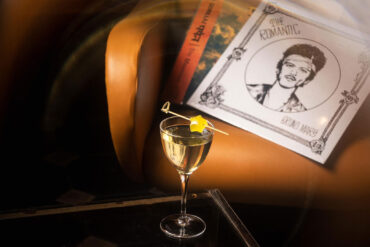
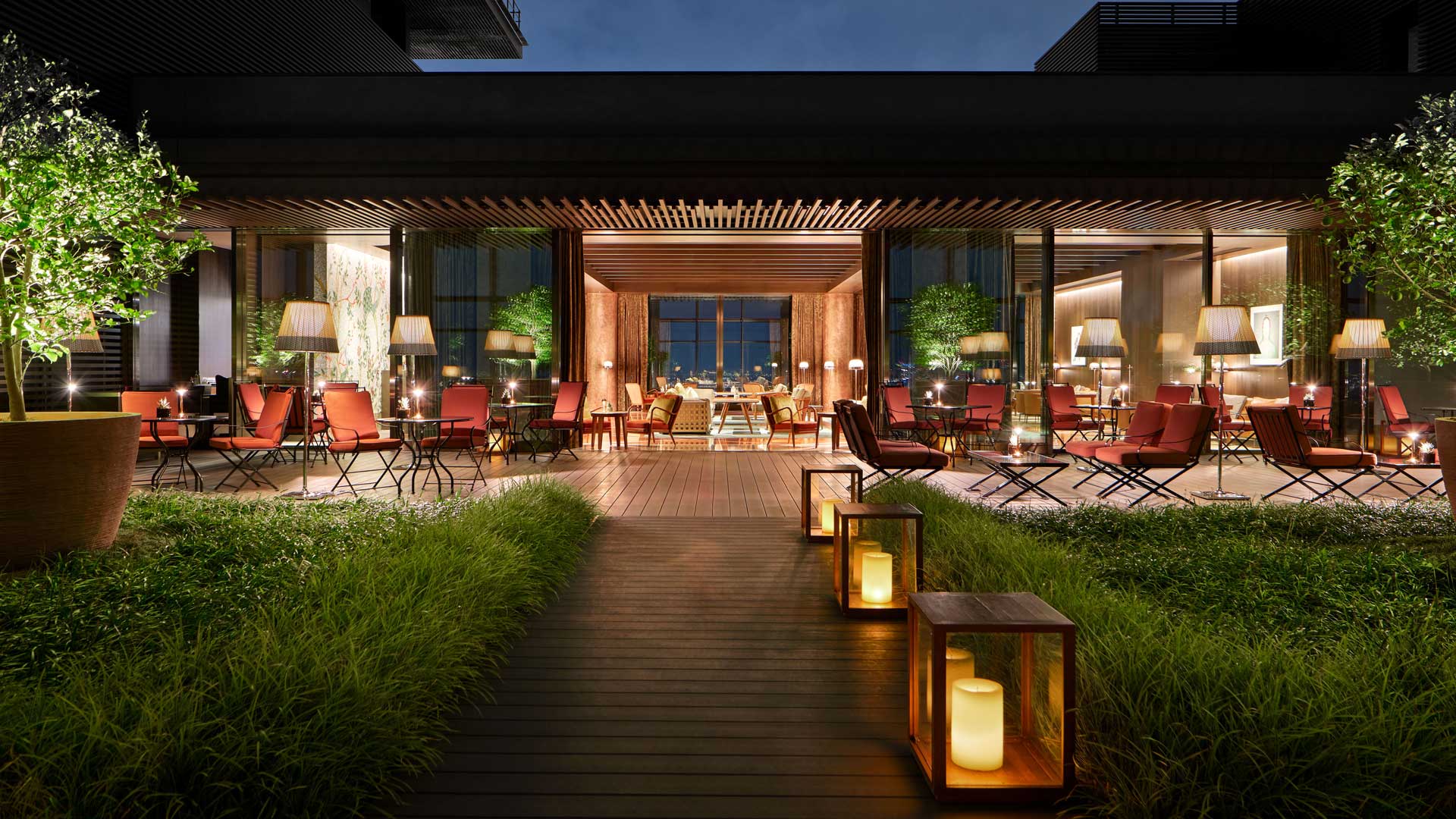
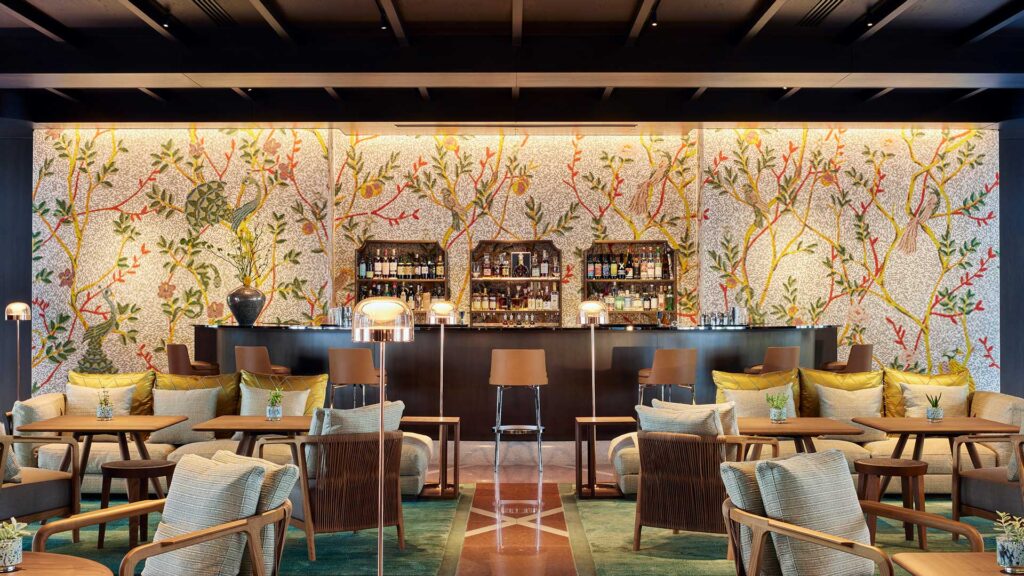
For a more polished setting, it takes just a short ride to the tenth floor of the Bvlgariboutique, where Bvlgari Ginza Bar weaves together Italian aesthetics and Japanese craftsmanship. At lunch, guests choose set menus by chef Niko Romito, faithful to his idea of contemporary Italian cuisine, with Bvlgari Dolci cakes closing the meal. At night, the spotlight shifts to cocktails inspired by Italian cinema, designed by Bar Manager Simone Ciambrone: “Johnny”, an homage to “Johnny Stecchino” with mezcal, Marsala, fino sherry and banana soda, or “Profondo Rosso”, based on vodka, tomato, lemon and capers, with taggiasca olives, bread, Tabasco and balsamic vinegar. On the eleventh floor, La Terrazza looks out over Ginza, with cocktails and small plates – butter-and-anchovy toast, stuffed focaccia, fried baby squid – ideal for aperitivo.
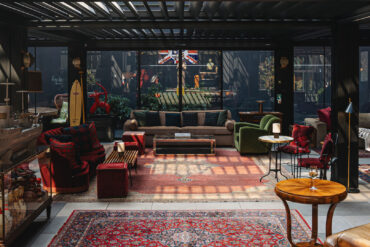
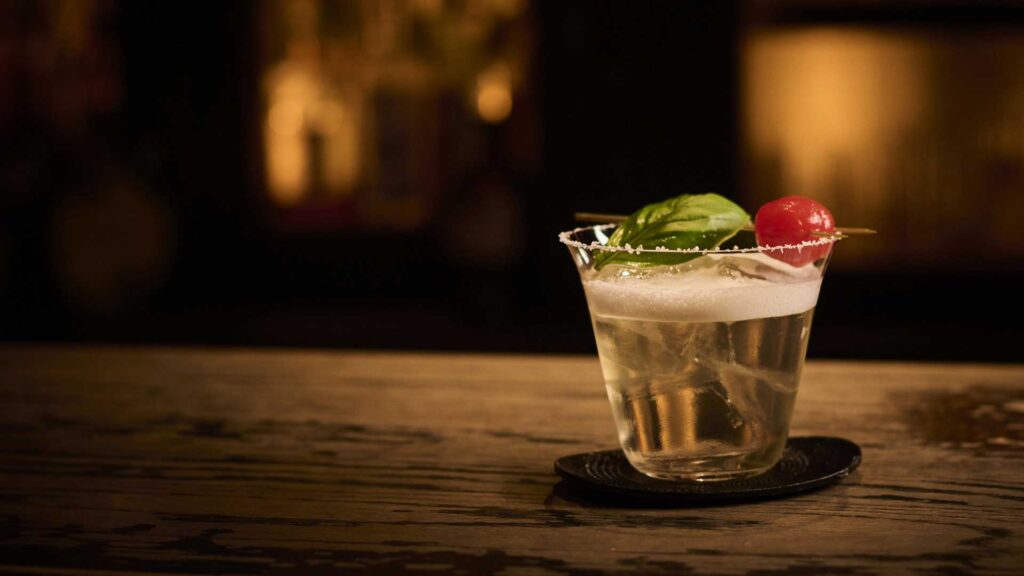
The other face of Bvlgari’s drinking culture is The Bvlgari Bar, suspended on the 45th floor of Bvlgari Hotel Tokyo. From up there, the city is seen from what feels like a Mediterranean garden in the sky, thanks to a pavilion that splits two terraces. Bar Manager Andrea Minarelli signs cocktails like “Night Jewel”, made with shochu, elderflower liqueur, lime juice, basil and mint, alongside international classics. Romito’s bar bites are the natural pairing, to be ordered at the counter or enjoyed on deep lounge sofas.
Gucci Osteria da Massimo Bottura, Italian Fine Dining in Tokyo
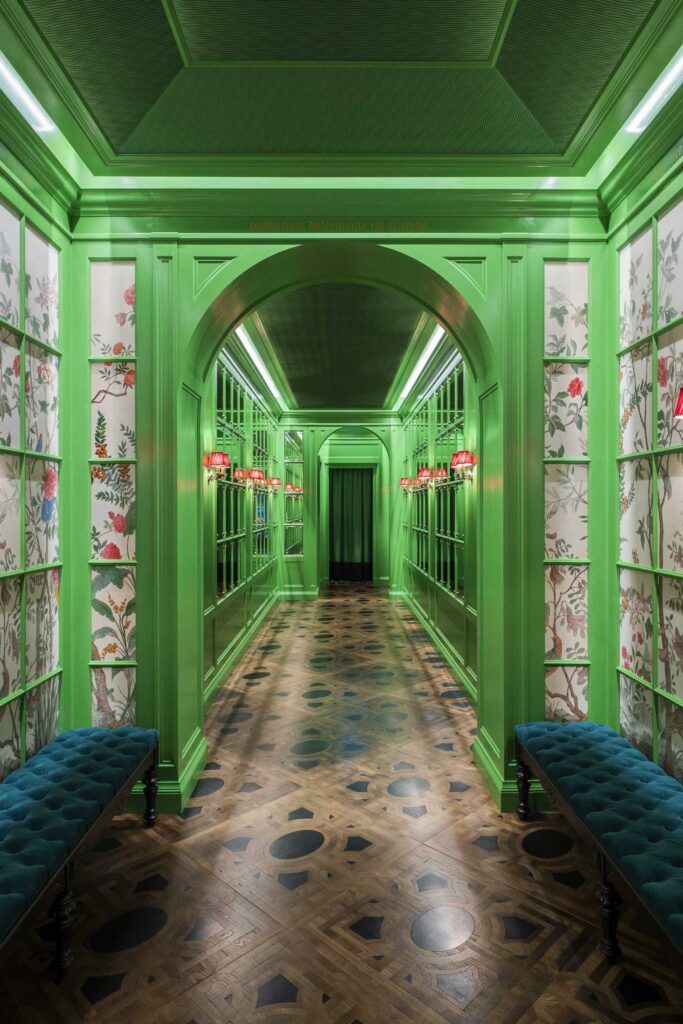
For a fine-dining stop with an Italian accent, Gucci Osteria da Massimo Bottura is the natural waypoint, led by the creativity of Raffaella De Vita, the first and only foreign female chef to head a Michelin- starred restaurant in Japan. Her cooking grows out of memory and Japanese sensitivity: a reimagined bruschetta, a parmigiana linked to her mother and grandmother, and a carbonara that takes on an Eastern nuance through kombu, soy sauce and miso.
Sodden Frog’s Gastronomic Mixology
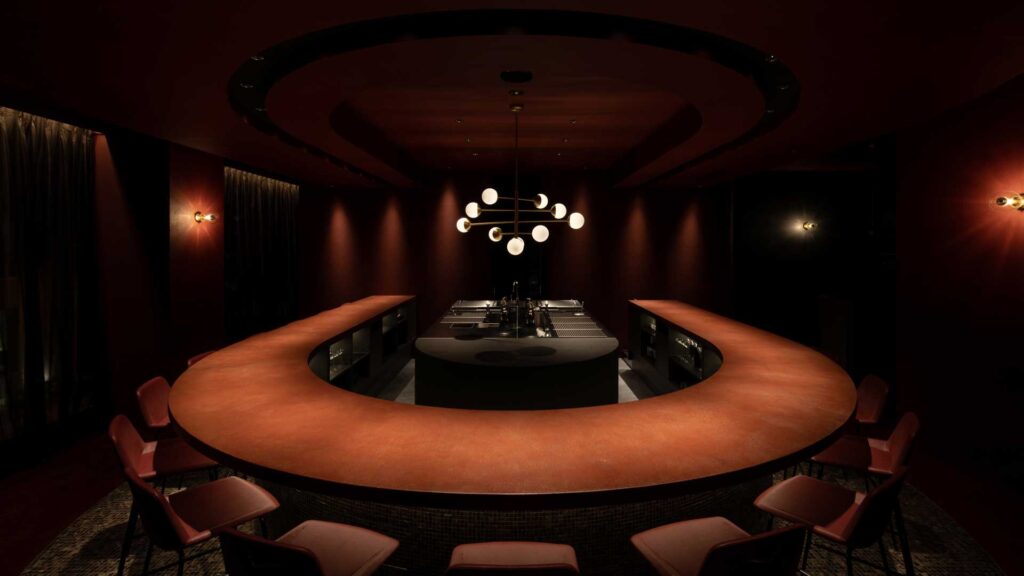
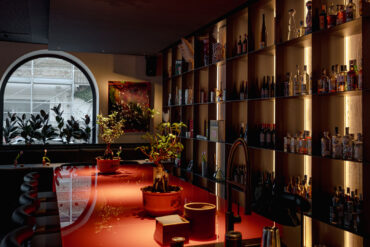
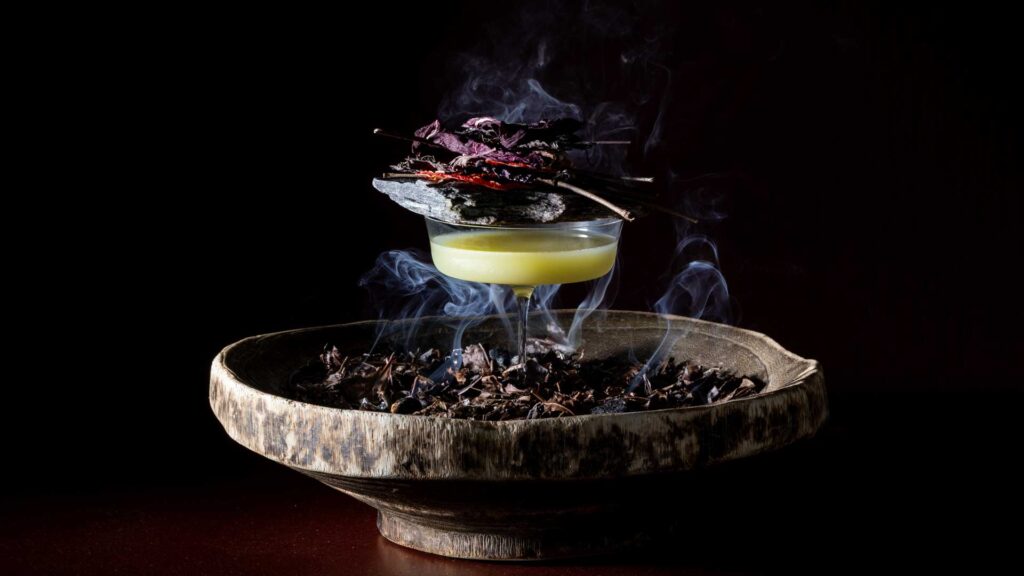
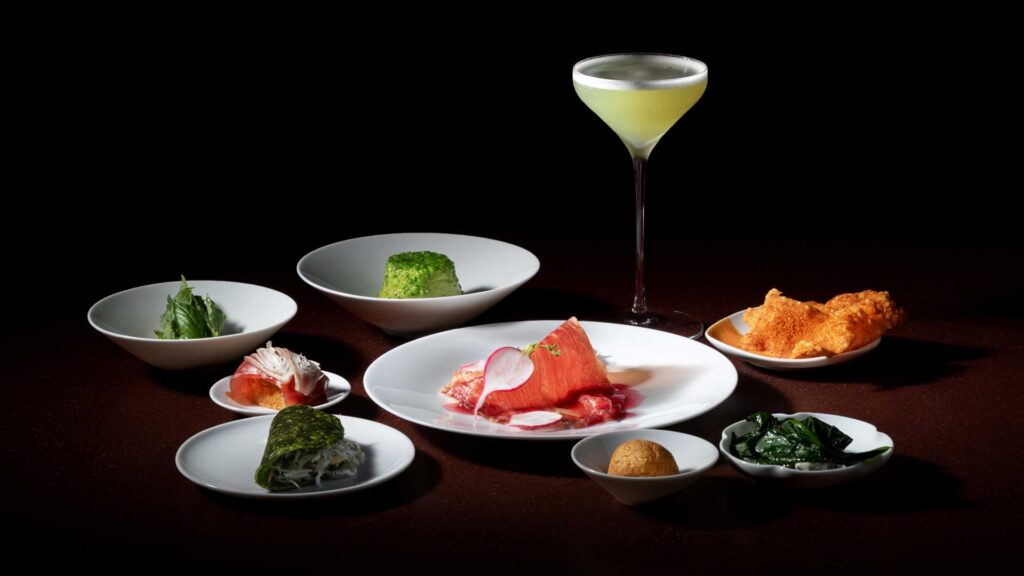
Leaving the bright green of Gucci’s interiors, the warm tones of Sodden Frog offer a different mood. This recently opened gastronomic bar stages a constant dialogue between cocktails and cuisine. Here, Shinnosuke Takada and Yoshimitsu Kojima build original drinks around four key taste axes – sweetness, acidity, bitterness and umami – while the kitchen, overseen by Hiroyasu Kawate and led by Kazuki Akutsu, follows each sip with seasonal small plates served in an afternoon-tea style. Guests can choose an alcoholic or non-alcoholic path, both conceived as liquid stories in which every ingredient finds its own voice.
The Unique Journey of Sangai by Shingo Gokan
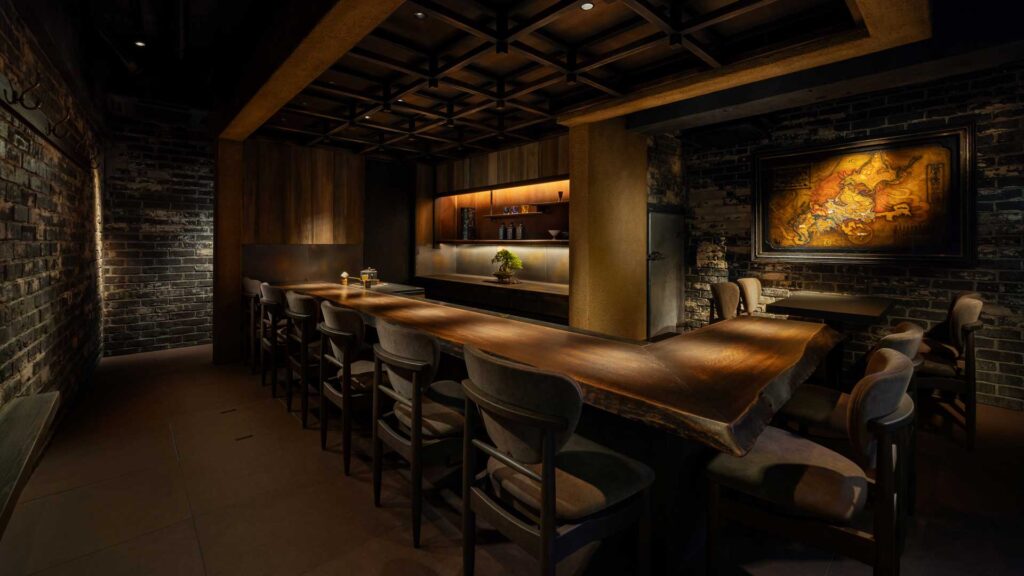
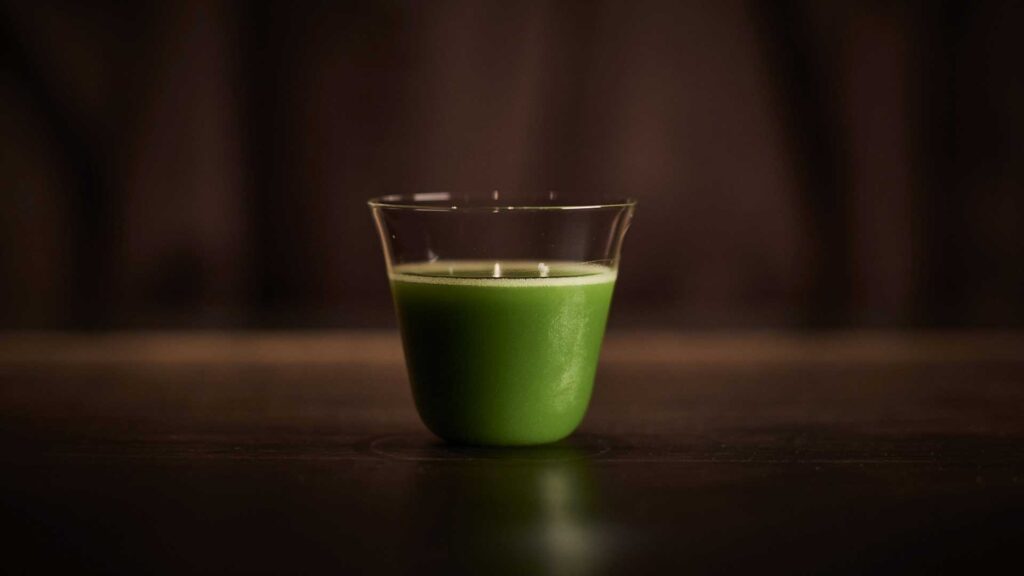
Another singular route runs through Sangai, a cocktail omakase created by Shingo Gokan and tucked at the top of a staircase above his other bar, SG Club. The dim room is defined by an L-shaped counter where guests sit and by a large map of Japan marking the origins of the ingredients in the tasting menu. Bartenders mix live, starting from fruit and seasonal produce sourced from different prefectures and sharing the story behind each one, their slow, precise movements drawing in every guest.
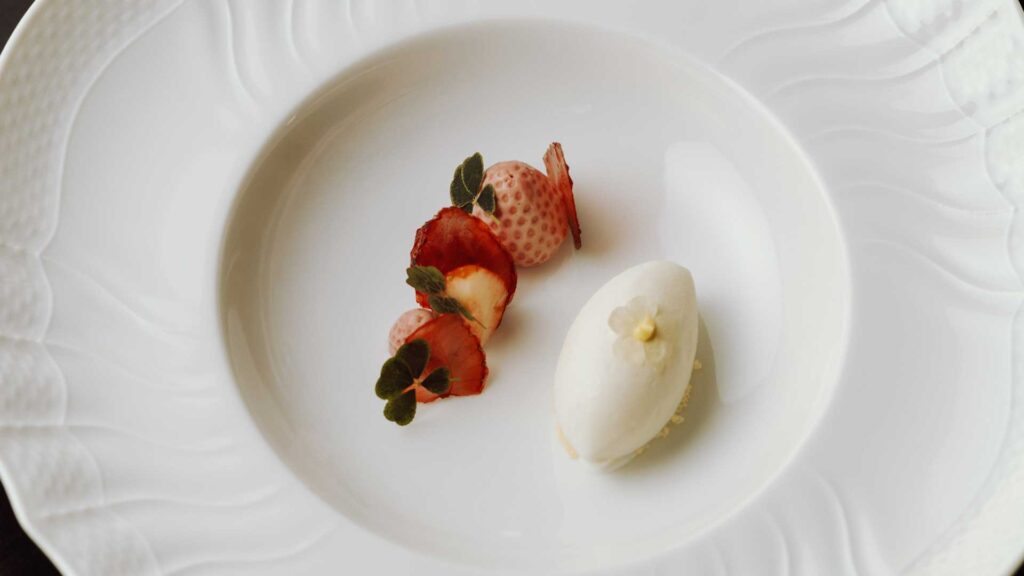
Places like these add new layers of experience to the Tokyo mosaic, a city that reveals its nature through a careful balance of memory and curiosity for what comes next.
The article first appeared on Coqtail – for fine drinkers. Order your copy here