
When a fortified wine becomes globally admired, other regions often explore their own interpretations. In southern France, that response takes the form of Maury and Banyuls, two fortified wines produced in the Roussillon that offer a distinctive French counterpart to one of Portugal’s most celebrated exports: Port.
What Maury and Banyuls Are
Maury and Banyuls share several defining characteristics. Both belong to the category of fortified wines, known in France as vin doux naturel (often abbreviated as VDN). Their production involves halting fermentation through the addition of grape spirit, a technique that preserves natural sugars while raising the alcohol level to around 18–20 percent by volume.
Both wines also hold AOC (Appellation d’Origine Contrôlée) status, the French system that regulates geographical origin and production methods. Their vineyards lie in Roussillon, within the Pyrénées-Orientales department in the Occitanie region of southern France, close to the Spanish border and overlooking the Mediterranean.
Another point of convergence is the grape base. The wines rely primarily on the Grenache family of varieties, with Grenache Noir playing a central role. Like Port, Maury and Banyuls appear in several styles, shaped by different winemaking and aging techniques.
Authorized Grape Varieties
French regulations allow a relatively broad palette of grapes. Seven varieties are considered primary: Grenache Noir, the most important, followed by Grenache Gris, Grenache Blanc, Macabeu, Muscat Blanc à Petits Grains, Muscat d’Alexandrie and Tourbat. Five additional grapes may appear in smaller proportions—Carignan, Cinsault, Counoise, Mourvèdre and Syrah—though together they cannot exceed ten percent of the blend.
Yields remain deliberately low and the grapes must reach a high level of ripeness, with a minimum sugar concentration of 252 grams per liter. Despite their shared foundation, Maury and Banyuls show notable stylistic differences, with Maury often presenting a slightly more robust profile.
The Characteristics of Banyuls
The Banyuls AOC covers a very specific territory: four communes along the Côte Vermeille—Banyuls-sur-Mer (which gives the wine its name), Collioure, Port-Vendres and Cerbère.
After fermentation is arrested through the addition of grape spirit, the wine moves into the aging phase. This can occur in wooden barrels, allowing varying degrees of oxygen exposure. In other cases, aging takes place in steel or concrete tanks, which greatly limit oxidation and produce a fresher style known as Banyuls Rimage.
Most Banyuls wines are made from red grape varieties, including the most prestigious expression, Banyuls Grand Cru. Other styles include Traditionnel, Blanc, Rosé, Ambré and Tuilé, distinctions shaped by grape composition, fermentation timing and aging methods. Two additional designations appear on labels. Hors d’Age indicates at least five years of maturation, while Rancio signals pronounced oxidative aromas developed during aging.
The Characteristics of Maury
The Maury AOC requires both cultivation and production within four communes: Maury, Rasiguères, Saint-Paul-de-Fenouillet and Tautavel.
Aging can occur in wooden vessels, yet Maury is also associated with a more distinctive method. The fortified wine may be placed in large glass demijohns—known locally as bonbonnes—and left outdoors on sun-exposed terraces. The resulting temperature fluctuations accelerate oxidative development and shape the wine’s character.
Maury appears in styles broadly similar to Banyuls: Rouge, Ambré, Tuilé and Blanc, with the possible indications Hors d’Age and Rancio. A label reading Maury Grenat signals a version with limited oxygen exposure, comparable in style to Banyuls Rimage.
A recent update to the production rules has also introduced Maury Sec, a non-fortified wine typically made from Grenache, Syrah and Carignan, expanding the identity of the appellation beyond its traditional fortified expressions.
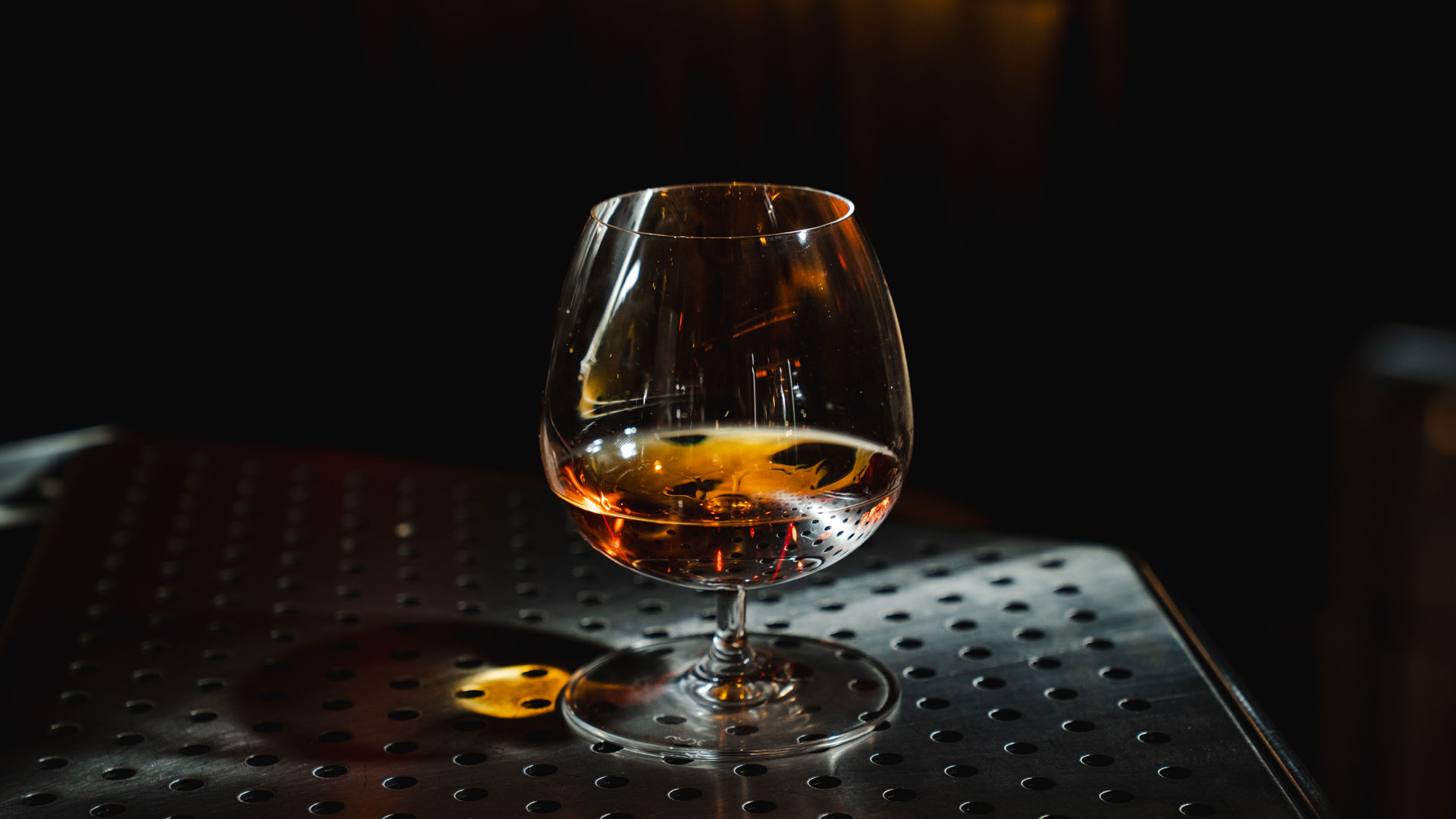
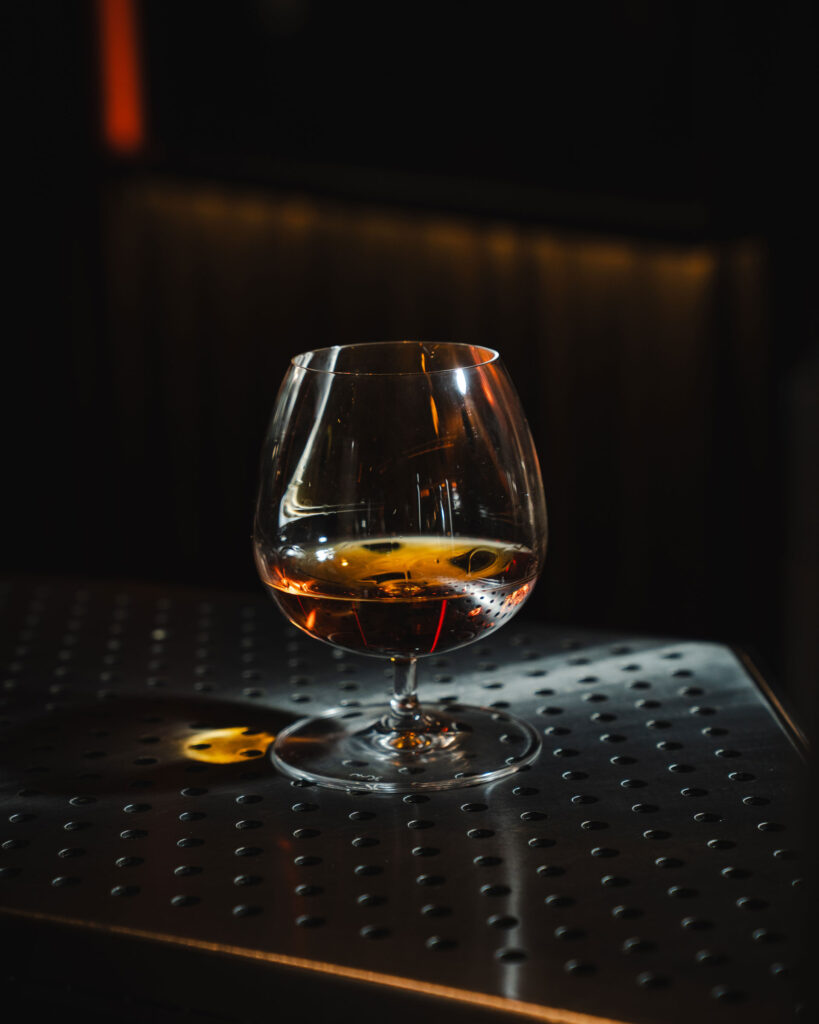
Photo by Emanuel Florentin, location Bob The Other Side Milano – all rights reserved