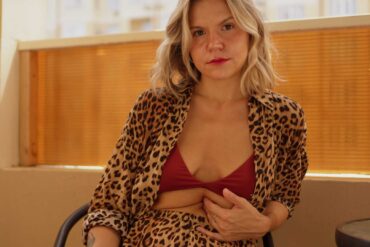

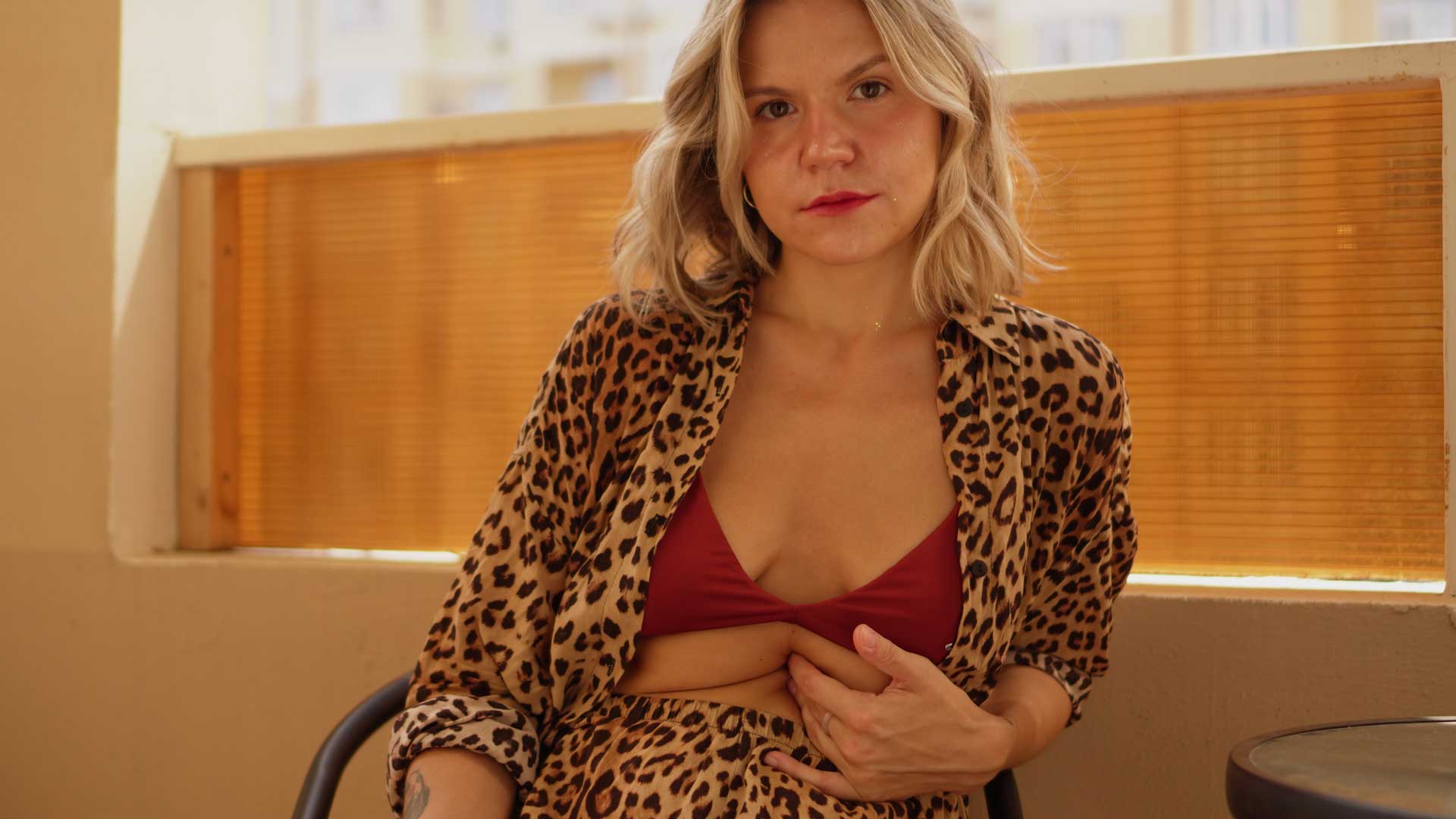
The pause between her words slows time, searching for meaning that clings more closely to reality. With Anastasia Artamonova, an interview becomes a crack in the surface — complex authenticity cutting straight through the narrative, a small therapy of dismantling one’s own façades. “Change is rarely expected, and in my life there is always been a twist that reshaped everything almost overnight,” she begins gently.
The Encounter With the Bar Industry
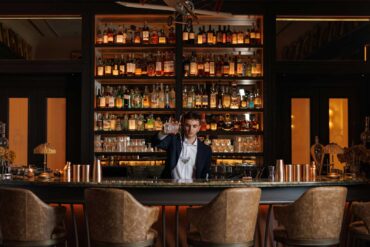
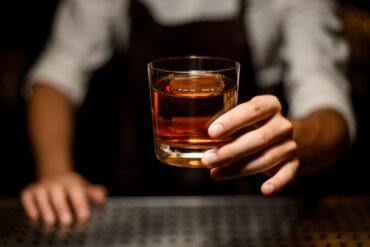
In 2017, the Russian-born designer and brand strategist drifted toward the bar industry. “My intuition kept telling me, ‘Go take a mixology course,’ the same voice that brought me to Italy in 2012. I didn’t even drink — honestly, the Moscow Mule was the peak of sophistication for me back then,” she laughs. The course didn’t spark anything concrete, but the allure of “the glasses, the sounds — everything felt very romantic to me at the time,” pulled her in gradually, until she suddenly realized she was already part of the industry.
Anastasia Artamonova’s Dreams
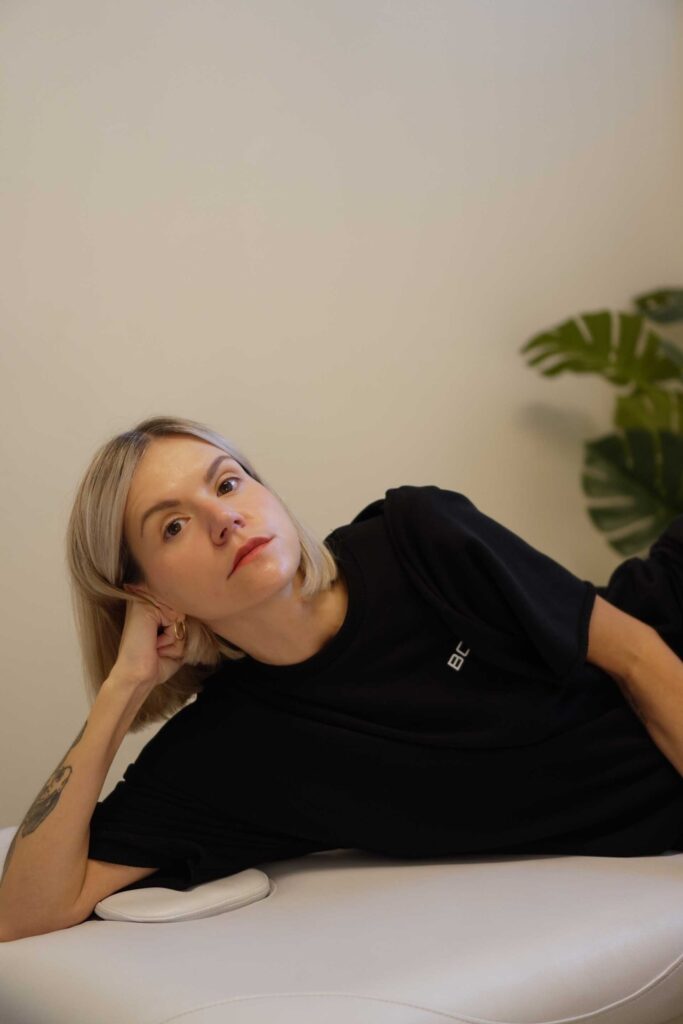
With her small communications agency came a blur of travel, nights out, contacts, ideas. And a fantasy: opening a bar of her own, sparked by the sight of a man sitting alone at a counter in a remote town. Meanwhile, she leaned on her visual and communication skills, photographing the most exclusive events. “I became this mix of influencer and photographer, but it was also my excuse not to talk to people when I didn’t want to — I hid behind the lens. After each event I posted the photos and tagged everyone, and it went viral because of course everyone wanted to repost their picture.”
Anastasia Artamonova Turns Her Dream Into Reality With Nice&Nasty
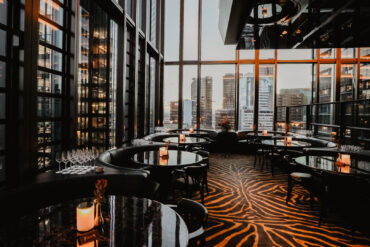
The idea of her bar grew more real — concepts, prep work, naming, business plans. The location: Milan. “The strongest motivation behind the project was gratitude. Hospitality has always been incredibly generous with me, and I wanted to welcome those same people into my place and make them feel good.” A provocative campaign launched “Nice&Nasty,” a play on the nickname everyone used for her — a concept pairing a daytime “nice” café with a nighttime “nasty” cocktail bar. The launch event swept through Milan and then abroad — Moscow, St. Petersburg, Athens, Berlin. Traveling, she realized she loved the movement more than entrepreneurship itself — and maybe that bar wasn’t truly her dream. But she didn’t let go.
Her First No to Herself
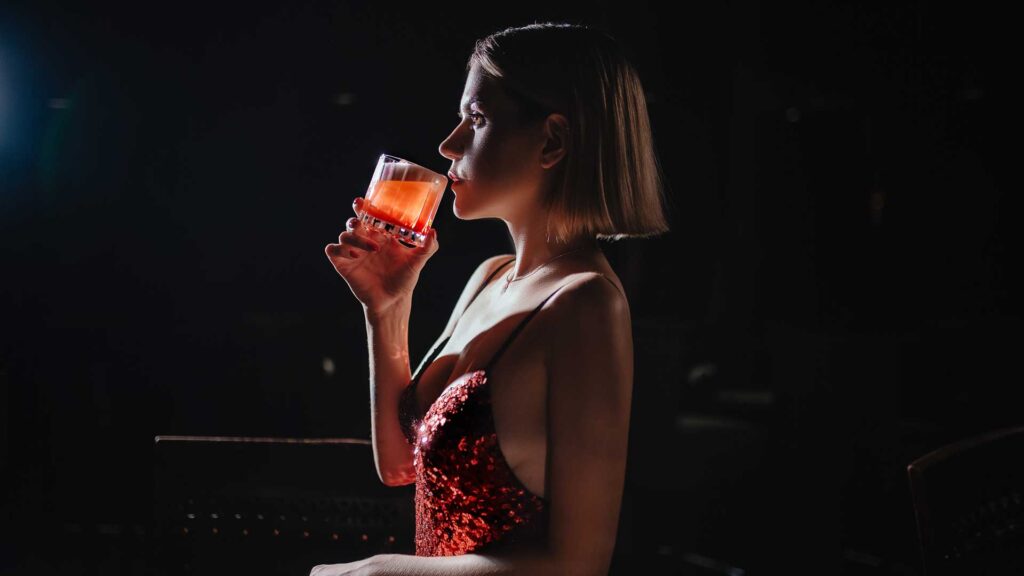
Then Covid arrived, and the most fragile certainties collapsed in the red zones. “My focus on promotion was so strong that it was basically the only thing that worked. Running a bar is very complicated; from the outside it may look like a constant party, but behind it there’s so much back office.” Her first refusal to herself was a simple admission: “I don’t want to do this.” Even if she believed it mattered. “A dream needs to be tested. You have to see if it’s really yours, or something you borrowed or constructed. If it’s actually made for you as a person. Without knowing yourself, you’ll never understand.”
A path toward selfknowledge that, for her, hinges on a syllable: “Once you start turning things down, those choices become more conscious, and it’s as if a different part of you comes into focus.” It’s the “field,” a concept from Gestalt psychology she references, that reveals the distance between her imagined goal and reality. But realizing she had built the wrong dream is not easy to manage. “I spent so much time persuading myself, others, the world, ‘maybe it will work, let’s try again,’ sometimes aggressively, with consequences that weren’t great.”
Crisis and Self-Awareness
A new introspective journey picked up the thread from her childhood, when she flipped through her mother’s psychology books. It carried her through somatic studies and therapy sessions, through the shock of no longer being contacted by anyone, and into the full weight of recognizing a nervous breakdown — not just fatigue or burnout. “I got to the final boss, the phase where you have no choice left. The body gives up, it shuts down, you lose the physical ability to create like before. In those moments, I thought I just wanted to go pick fruit. I like practical things. I wanted tools that could change the choices you make, or help you accept parts of yourself that make life simpler.”
New Horizons in the Bar Industry for Anastasia Artamonova
Her relationship with the bar industry may never really end. Her search for answers, now six years long, might still circle back to that part of her old world that no longer wants to overreach. The foundations are there, and her vision is taking shape. “There’s a lot of ambition and genuine willingness to create psychological–creative projects for the industry. I’ve tried in recent years — maybe I wasn’t ready — but now my message is finding its form.” More cautious now, more precise in outlining her dreams, Anastasia carries at least one certainty from her past: “I know very few people, maybe none, who have managed to walk away from the bar industry forever and do something else. It’s a magical world, in that sense.”
The article first appeared on Coqtail – for fine drinkers. Order your copy here
Images courtesy Anastasia Artamonova, Anastassiya Lezhneva.