
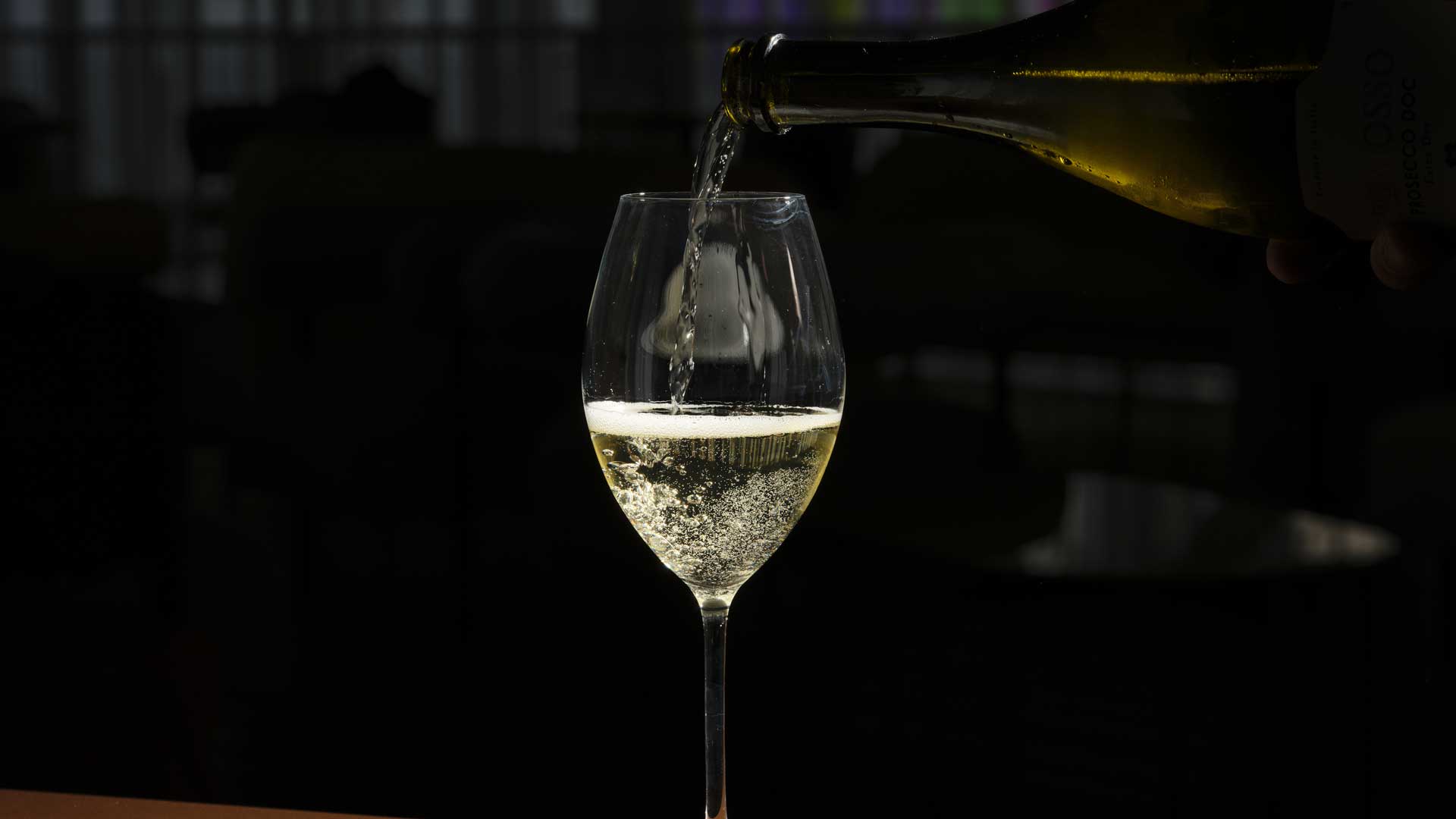
Champagne sits at a paradoxical moment. As global consumption slows and demand for lower-alcohol wines rises, the world’s most tightly protected appellation faces a simple question: can a zero-alcohol champagne exist?
Why Alcohol-Free Champagne is not Permitted Under the Regulations
From a legal standpoint, the answer is still no. Under AOC rules, the wine must reach up to 13% alcohol by volume once fermentation is complete, and official documentation specifies that base wines destined for Champagne cannot fall below 9%. A cuvée at 0.0% therefore falls outside the definition entirely and belongs instead to the broader category of sparkling beverages.
Alternatives to Alcohol-Free Champagne
The market, however, is moving. Dealcoholized sparkling wines are growing fast and attracting serious investment. French Bloom is the clearest example: a producer of 0.0% bubbles from dealcoholized Chardonnay and Pinot Noir that has drawn Moët Hennessy into its capital and established high-profile partnerships, including Formula 1. Many wine companies now view these labels as a second strategic route — without the word champagne, but with similar gestures and cues — aimed at those who want to raise a glass without alcohol.
Producers, Protection of the Name and Ambiguity
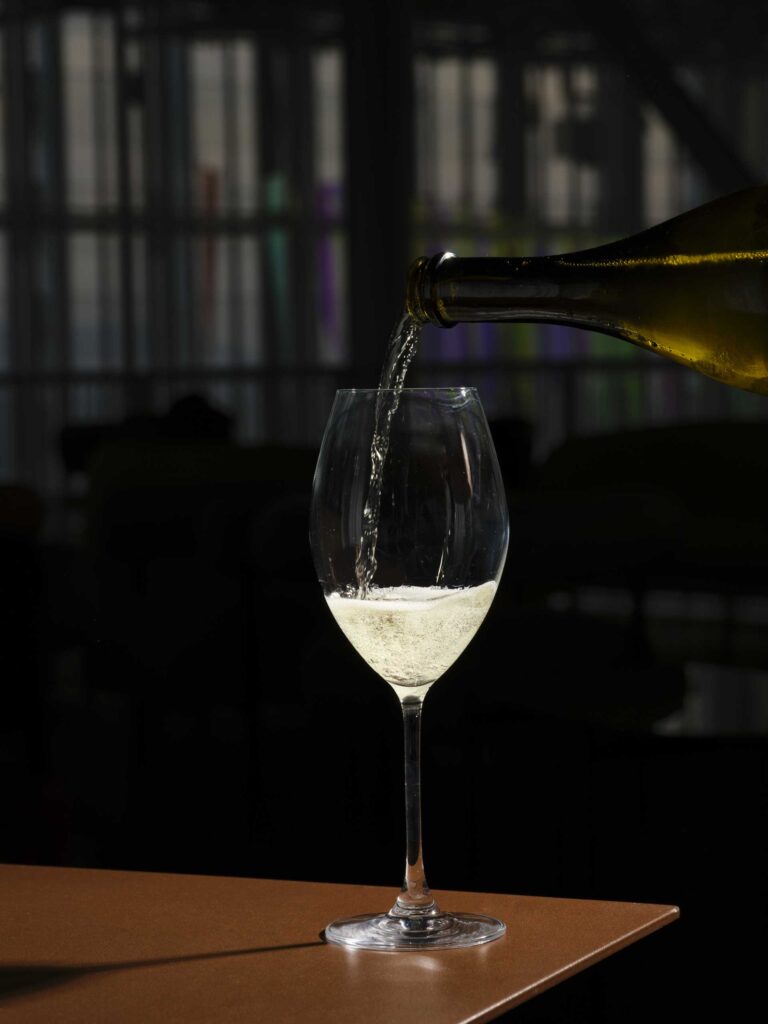
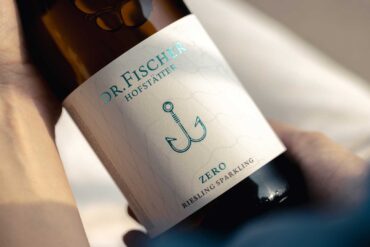
Within the region, producers proceed cautiously. On one side, they defend the appellation against any misuse of the name, as shown by long-running legal battles over trademarks, advertising claims and products deemed too close to the French designation’s reputation. On the other, they cannot ignore a cross-cutting demand shaped by health-conscious consumers, responsible drivers and anyone drawn to a lighter way of living. The result is a delicate balance. Some houses experiment with low-alcohol sparkling wines outside the rulebook; others partner with brands dedicated to the alcohol-free segment, keeping a clear line between champagne and its alternatives. A further complication comes from a linguistic nuance: labels often display “zero dosage” or “dosage zéro”— terms that refer to the absence of added sugar, not alcohol content, and frequently confuse newcomers to the category.
The Future of Alcohol-Free Champagne
On the question of a hypothetical alcohol-free champagne, the official stance remains unresolved. The Comité Champagne, despite regularly updating its reports on yields, sustainability and appellation protection, has yet to comment specifically on whether 0.0% wines could one day fall under the AOC umbrella, reiterating only the technical parameters already defined. The silence amounts to an indirect message: for now, champagne means wine with alcohol.
Meanwhile, a new generation of zero-alcohol bubbles is carving out space alongside France’s most celebrated wine. They offer the same ritual and a respectable mousse, stopping just short of the appellation. In the coming years, the real contest will unfold along that border — between protecting the name and opening the toast to those who choose to keep the alcohol level at zero.
The article first appeared on Coqtail – for fine drinkers. Order your copy here
Images courtesy Alberto Blasetti, location Piano35, Torino. All rights reserved