
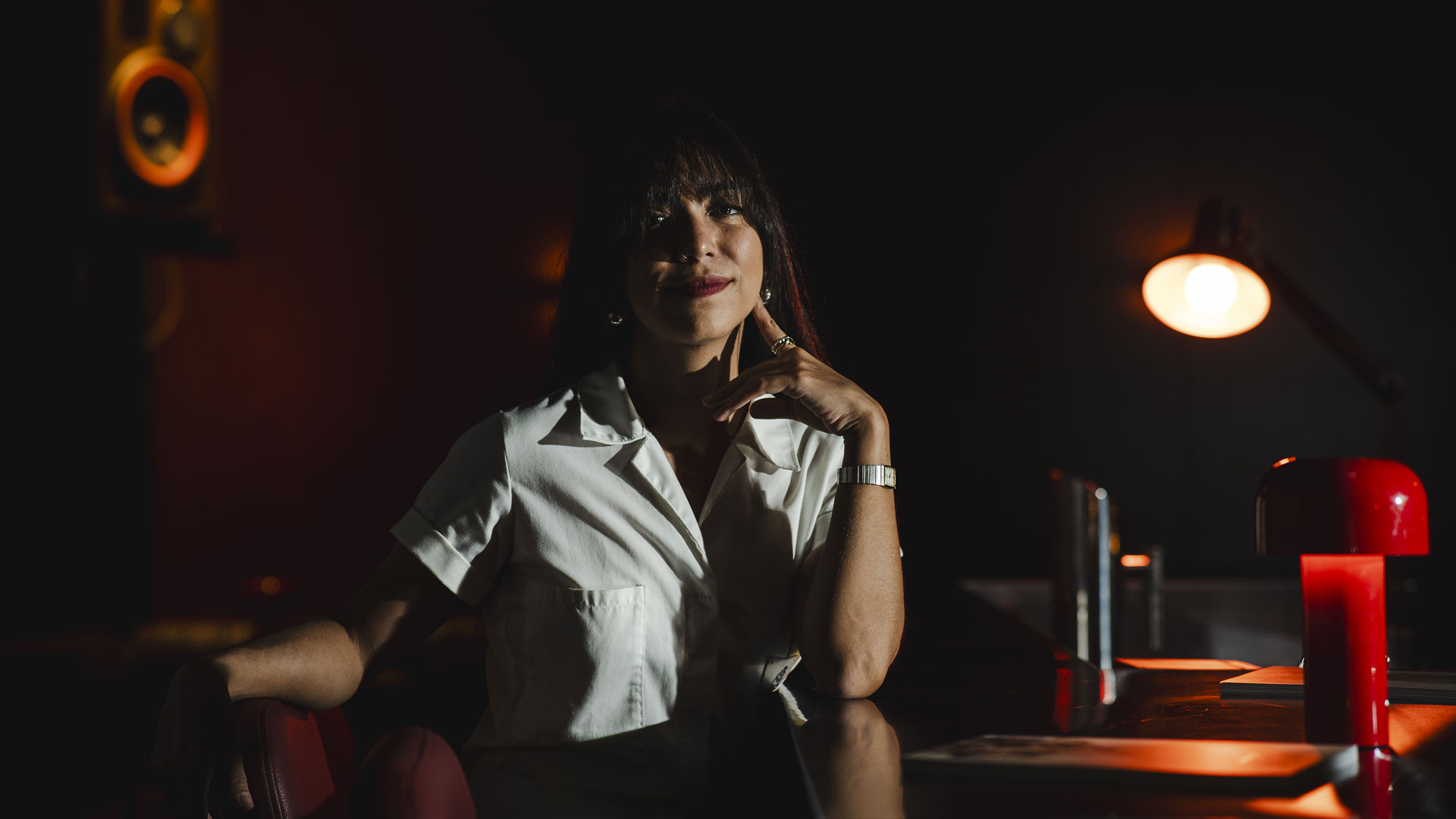
Spaces meant to be inhabited — lived in for work or for pleasure — are always the result of careful thinking about scale and balance between purpose and use. More than anywhere else, places devoted to entertainment, social life and hospitality rest on precise rules that are not, however, an obstacle to creativity and talent. ACreative Director, Designer and young Architect from Costa Rica, Lissa Barquero embodies the kind of talent that can apply itself across disciplines, staying true to the intentions and nuances of an idea.
Lissa Barquero’s Background in Architecture and Hospitality
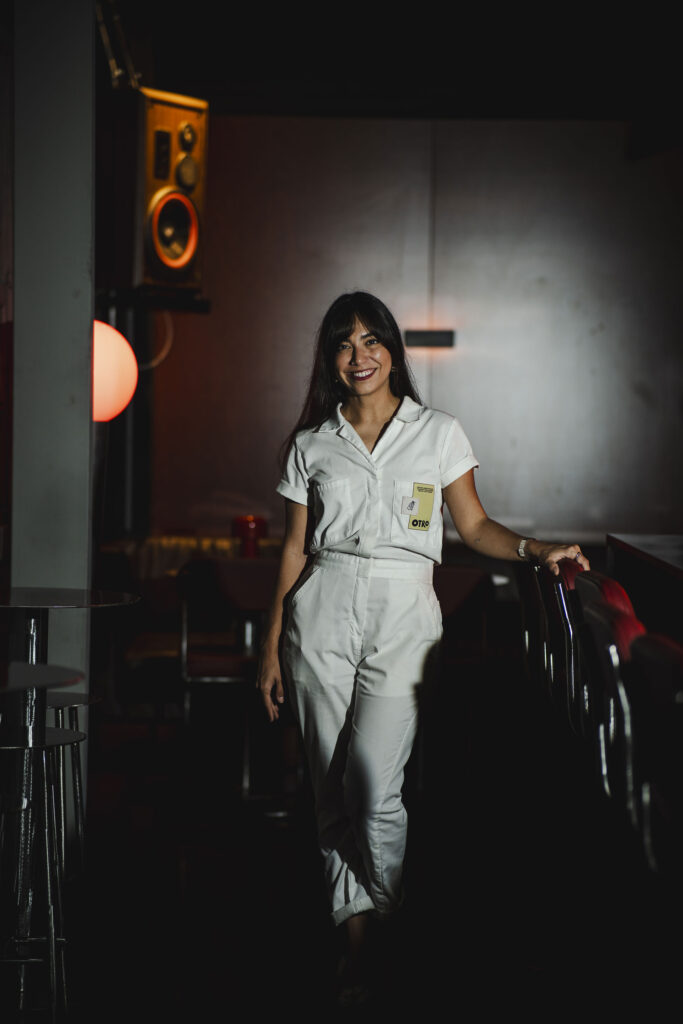
Hers is a singular, personal path of training — one in which architectural study and practice naturally oriented themselves toward hospitality. “Even though my parents were puzzled by my decision to devote myself to hospitality. By attending the Basque Culinary Center I was trying to understand where I fit and how I could conceptualize spaces, build a narrative within them, and fully express the intention behind a project.” Thanks to her meeting with the entrepreneur brothers Manuel and Fernando Crespo and their first venue, the Isolina restaurant in San José, Lissa had the chance to work with buildings shaped around a hospitality experience grounded in design and the restoration of an old structure.
Otro Bar and the Vision Behind a Contemporary Listening Bar
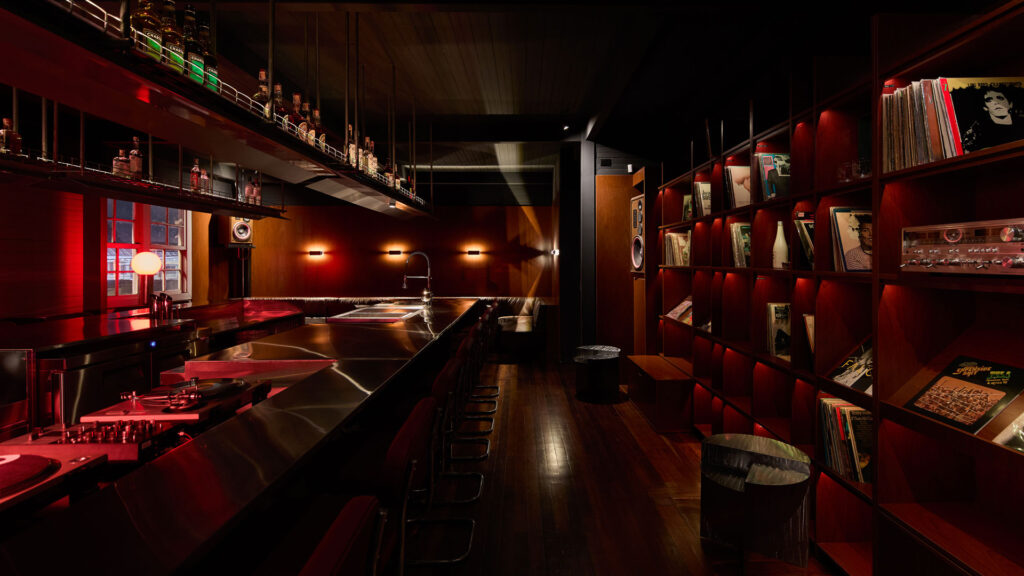
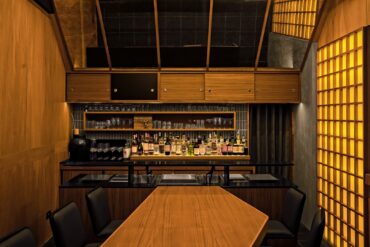
But it is with the new venue, opened just a few months ago, that her ability to sense spaces, adapt them and inhabit them so they become exactly what she set out to create, comes fully into view. Otro Bar was born on the second floor of a 1905 building, above a traditional cantina, a very popular spot in town where people gather for a beer after work. Hence the name and the inspiration to build an “other bar,” a place where different spirits could coexist, and one that would be the exact opposite of the venue below: a listening bar with a dynamic flow between music, contemporary mixology and hospitality. “It was more about the relationship between workflows, atmosphere and sightlines than about physical proportions. I wanted a place that was beautiful, functional, alive, where bartenders, the deejay and guests could interact in a harmonious way.”
There is no fixed proportion, Lissa explains, between how much space is devoted to the bar, how much to socializing and how much to music. Every detail, from the two steel counters to the cocktail stations to the area dedicated to the deejay console, was designed so that nothing is hidden from the guest, who can directly experience the making of their drink. Proximity is the measure by which everything was structured and arranged, so that space becomes essential to a multisensory experience, a facilitator of that hospitality that has, for Lissa, completed her training as an architect.
Cocktail Design, Music and Atmosphere
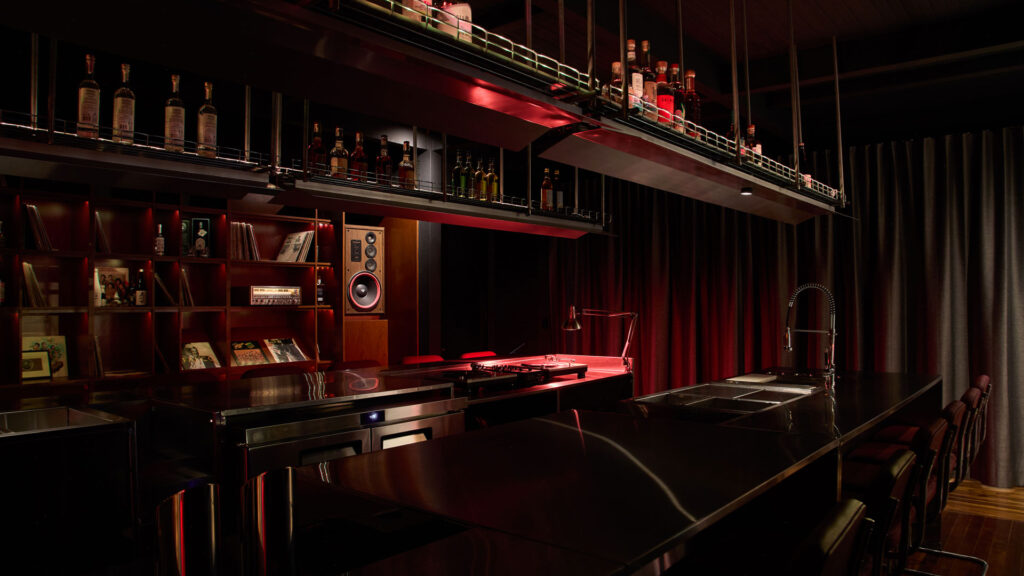
If her first role was as Creative Director, Lissa has also worked closely with the entire bartender team, and she is often found behind the counter herself — more fully the soul of this listening bar. Her drink list is, in fact, a way to combine design with liquid art, an aesthetic meeting point between local products, gesture, atmosphere and music.
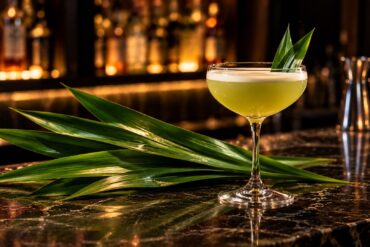
For that reason, Otro Bar’s cocktails are created around ingredients, but also by considering texture, color, aesthetics and their relationship with every other element of the environment they interact with. The current menu, for example, was the result of a long reflection on the venue’s mission: a listening bar that must maintain a clean, innovative and elegant line of mixing through an aesthetic language without garnish, focused on materials such as glassware and ice, allowing liquid art to express itself through clear visual elements, decoded within a spatial context that is anything but accidental.
Lissa Barquero’s Vision of Hospitality
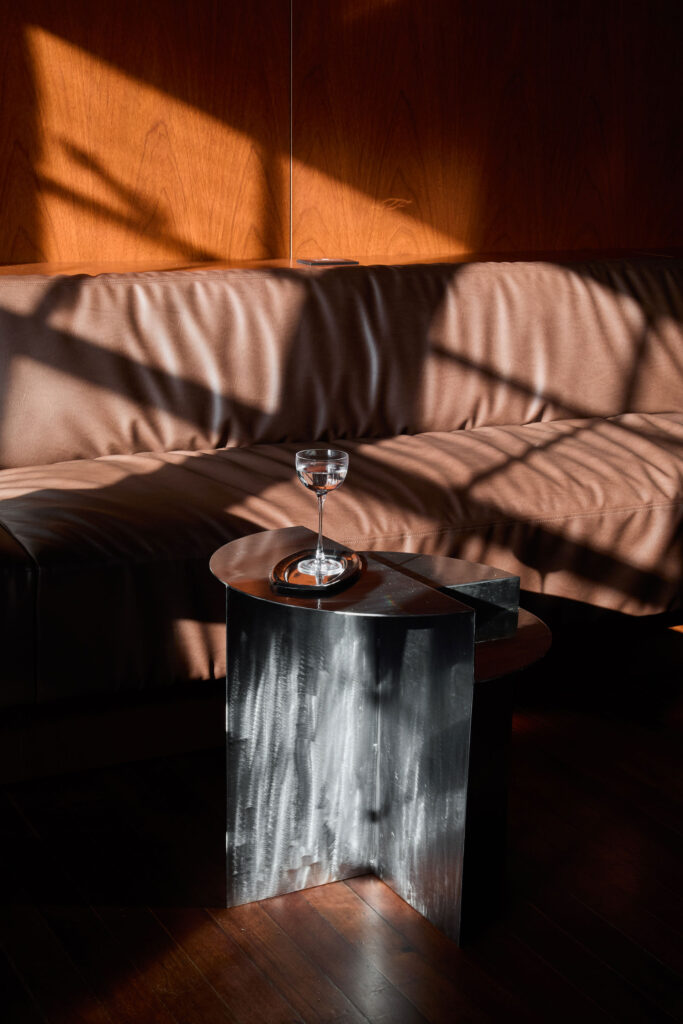
The result? Lissa says she is satisfied with a venue that surprises her every night for its perfect balance between music, social life, cocktails and entertainment. Each guest naturally moves from listening to Brazilian and Italian vinyl to having an excellent drink, lingering in conversation with the person next to them at the counter — or simply being there, experiencing a constant transition of moments within a single space and time. Guests, bartenders and the deejay share the same space in a rhythm and balance that envelops and draws you in.
“For me,” Lissa concludes, “the starting point is always intention more than form, as any architect would say. Before thinking about materials and layout, I try to understand what kind of energy I want to bring into a given space, what role the bar should play in the cultural context it sits in, and, above all, what kind of experience I want to give my guest.” That is the true measure of hospitality.
The article first appeared on Coqtail – for fine drinkers. Order your copy here
Photo by Emanuel Florentin x Coqtail – All rights reserved