
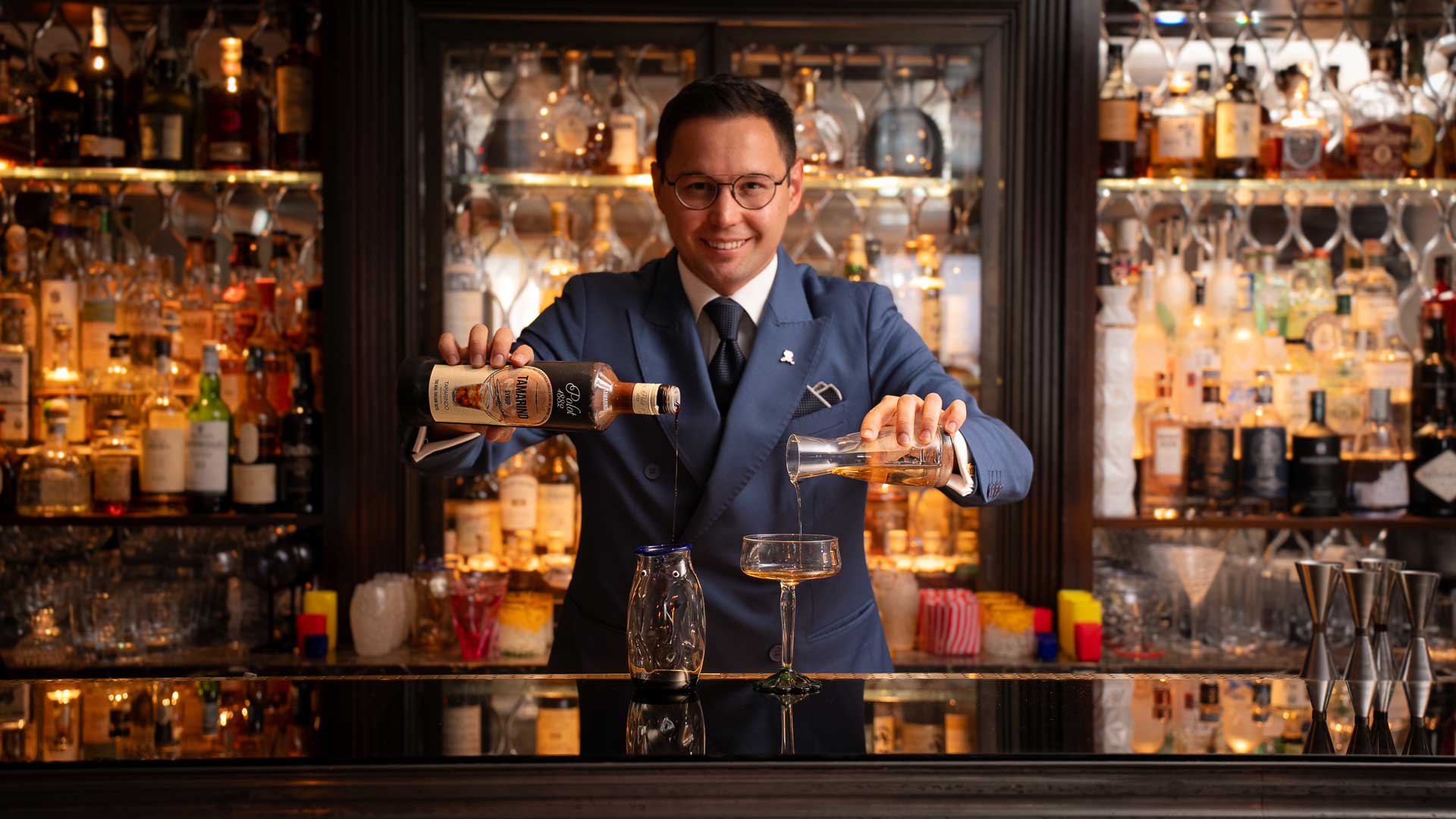
Behind every successful drink there is a choice that weighs as much as the technique itself: do you make every component in house, or do you rely on something ready to use? It is a question that runs through the entire spectrum of the bar world, from grand hotel counters to the most experimental cocktail programs, and today the answer lives squarely in the realm of balance. “Even though artisanal production is hugely appreciated right now, you still have to guarantee results that are consistent, safe, and repeatable,” says Ludwig Negri, Bar Manager at the Arts Bar of The St. Regis Venice. Negri has always moved across both territories, working with homemade preparations and with professional products such as Polot 1882 syrups and cordials.
Key Differences Between Ready-Made and Homemade Products
“Ready-made products give you a reliable flavor profile and a longer shelf life,” he notes. “They are practical, available year-round, and allow you to keep the quality high even when service is intense. At the Arts Bar we always have Polot 1882 Chipotle, Smoky, Nettle and Pop Corn syrups on hand.” In the intricacy of hotel operations, consistency is not an abstract virtue but a control parameter that shapes service, timing, and the way the guest perceives the experience. “When you work on large volumes, replicability is crucial. Products like those from Polot 1882 are designed to deliver the same taste in any season,” Negri says.
Even so, in-house production keeps its value, especially when freshness is non-negotiable or when certain ingredients simply do not exist in an industrial format. “In those cases, homemade is essential.” The daily trade-off between cost and outcome is often decided by time. “For high-turnover base ingredients such as juices, going homemade can look cheaper at first glance,” he explains, “but labor and the waste that comes with a short shelf life often overturn that advantage.”
The Perfect Balance in Mixology
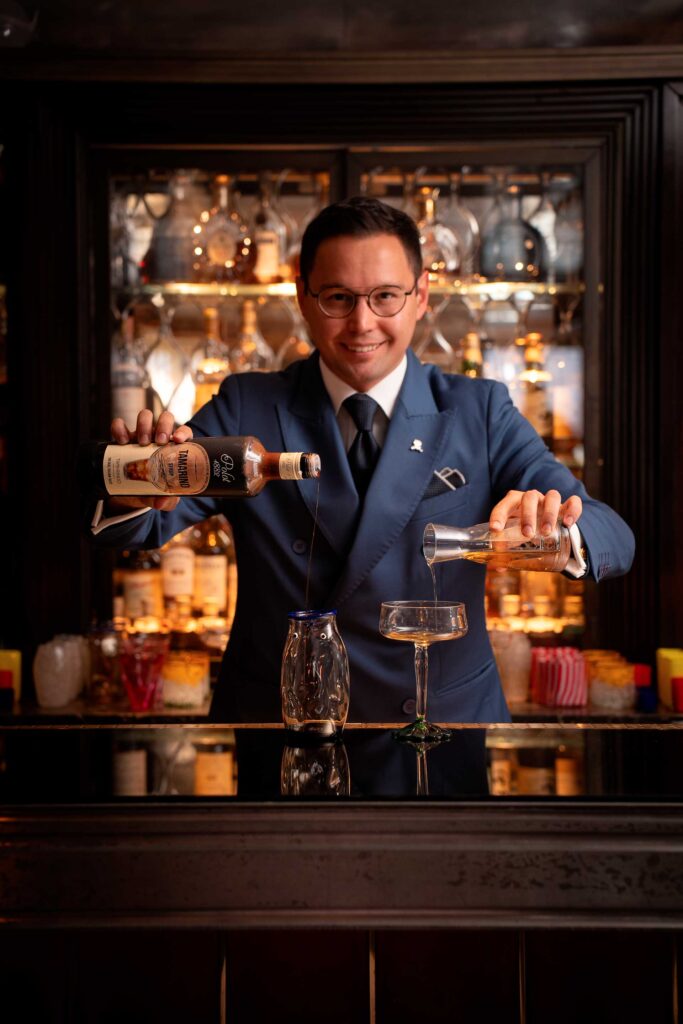
What happens across the counter also depends on how the drink is perceived and narrated. “For guests, craftsmanship carries a stronger emotional and communicative charge, especially when you work with local ingredients. On the other side of the scale, brands like Polot 1882 operate as technical benchmarks. “They function as extensions of the very idea of quality. Choosing these brands means knowing the product will always be stable, safe, and compliant with standards — and in some cases sugar free,” says Negri.
As for the future of mixology, he sees it neither in a romantic return to all things homemade nor in a purely industrial approach, but in the tension between the two. “It lies in an ever more fluid coexistence between artisanal creativity and industrial precision,” he says. “A balance that protects the individuality of flavor while delivering the kind of operational accuracy that, in the end, defines luxury.”
The article first appeared on Coqtail – for fine drinkers. Order your copy here
Images credits Mike Tamasco x Coqtail, all rights reserved
In partnership with Polot 1882