
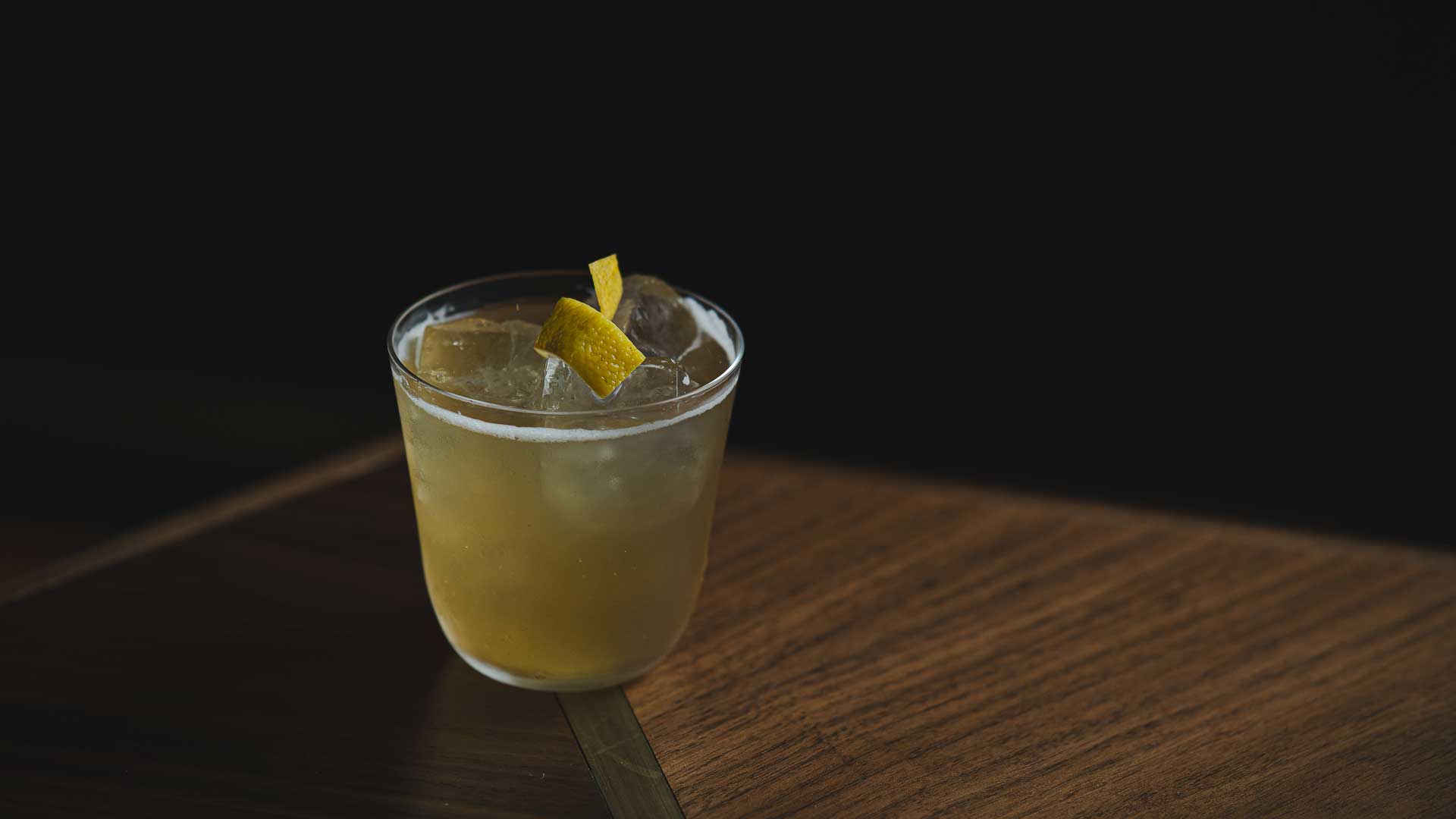
On February 17, celebrations begin for what is widely known in the West as Chinese New Year 2026, marking the start of the Year of the Fire Horse. The festivities last 15 days. According to calculations cited by Forbes, roughly a quarter of the world’s population will take part in this traditional holiday — pausing work, traveling, spending time with family and friends, and perhaps dedicating an evening or two to cocktails. Fittingly, several classic drinks have ties to the horse, the zodiac animal that defines the year ahead.
Lunar New Year 2026: Enter the Fire Horse
“Chinese New Year” is the Western shorthand for what in China is called the Spring Festival, or the Lunar New Year, also known as the Agricultural New Year. It marks the beginning of the year according to the Chinese calendar, which incorporates both solar and lunar elements and is therefore described as lunisolar.
In simple terms, the calendar follows a 12-year cycle, each year associated with an animal of the zodiac, in this order: rat, ox, tiger, rabbit, dragon, snake, horse, goat, monkey, rooster, dog and pig. There are also five elements—water, wood, fire, metal (gold) and earth—each paired in rotation with the zodiac animals, creating a 60-year cycle. By that calculation, the previous Year of the Fire Horse fell in 1966.
Four Cocktails Inspired by the Horse
To mark Lunar New Year in style, here are the recipes of four cocktails connected, in different ways, to the figure of the horse.
Stirrup Cup, the Drink Taken in the Saddle
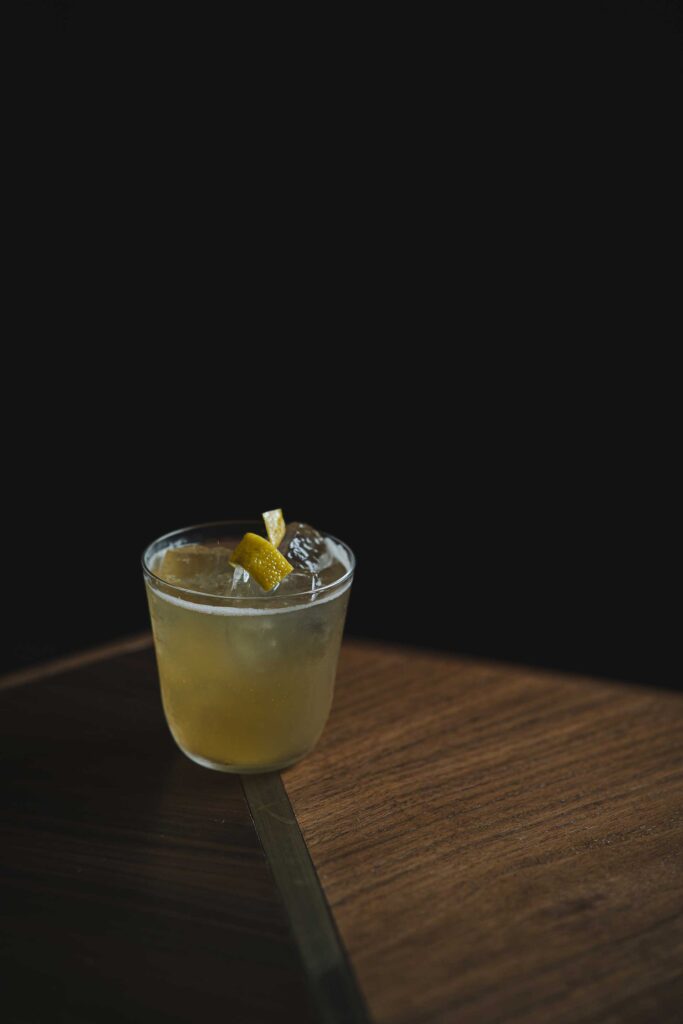
The book Cowboy Cocktails (André Darlington, 2024) recounts the story behind the Stirrup Cup. The expression refers to the final drink taken before saying goodbye and heading home. The term “stirrup” is commonly linked to the 19th-century custom of gentlemen taking their last sip when already prepared to mount their horse — one foot literally in the stirrup, the metal loop attached to the saddle.
Darlington notes that the stirrup cup was also consumed by English nobles just before setting off on a fox hunt, already seated in the saddle. The tradition later crossed the Atlantic, shedding the fox but retaining the horse. “It’s the cowboy version of a drive-in,” Darlington writes.
The recipe: in an old fashioned glass, muddle a sugar cube with two dashes of Angostura bitters. Then add 30 milliliters of bourbon, the same amount of brandy, a large piece of ice, and stir. Finish by garnishing with a maraschino cherry.
Mint Julep, the Kentucky Derby Classic

No list would be complete without the Mint Julep, the official cocktail of the Kentucky Derby, one of the most important horse races in the world. The drink traces its origins to the 18th century, when alcoholic mixtures were sometimes prescribed as medicine.
In the 1862 edition of The Bar-Tenders Guide, Jerry Thomas lists five different versions: made with cognac, brandy, gin, whiskey and even Moselle sparkling wine. The International Bartenders Association recognizes the bourbon version: 60 milliliters of bourbon, two teaspoons of water, one teaspoon of sugar and four fresh mint leaves. Technique: muddle. Garnish: a sprig of fresh mint.
Lunar New Year 2026: Man o’ War, a Champion in a Glass
Among thoroughbreds, few names carry as much weight as Man o’ War, often regarded as the greatest racehorse of all time. Competing in the years following World War I, he won 20 of the 21 races he entered.
The cocktail bearing his name was created in his honor. Its exact origins remain unclear, though many date it to the mid-20th century. The recipe calls for 60 milliliters of bourbon, 30 milliliters of orange liqueur, 15 milliliters of lemon juice and 15 milliliters of sweet vermouth. Shake, then serve with a strip of lemon peel or a maraschino cherry as garnish.
Horse’s Neck, From Temperance to Highball
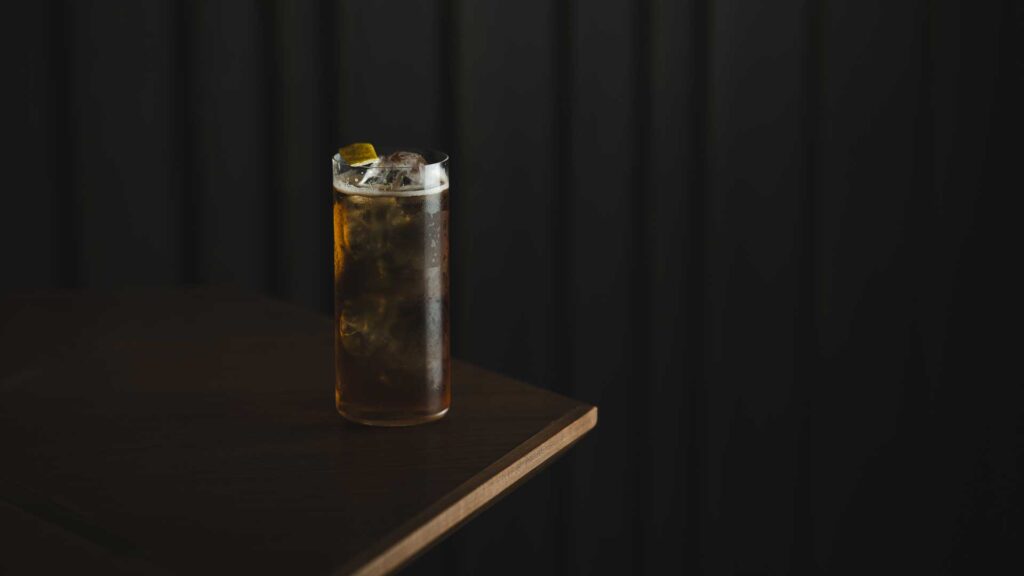
The Horse’s Neck began as a nonalcoholic drink and became fashionable in the 1890s thanks to its straightforward blend of ginger ale, ice and lemon peel. At some point — no one knows precisely when or where — a spirit was added, often brandy and sometimes bourbon.
Over time, the alcohol-free version faded from view. Today, the International Bartenders Association codifies the cocktail with 40 milliliters of cognac, 120 milliliters of ginger ale and a dash of Angostura bitters, built directly in a highball glass and finished with a long strip of lemon peel.