
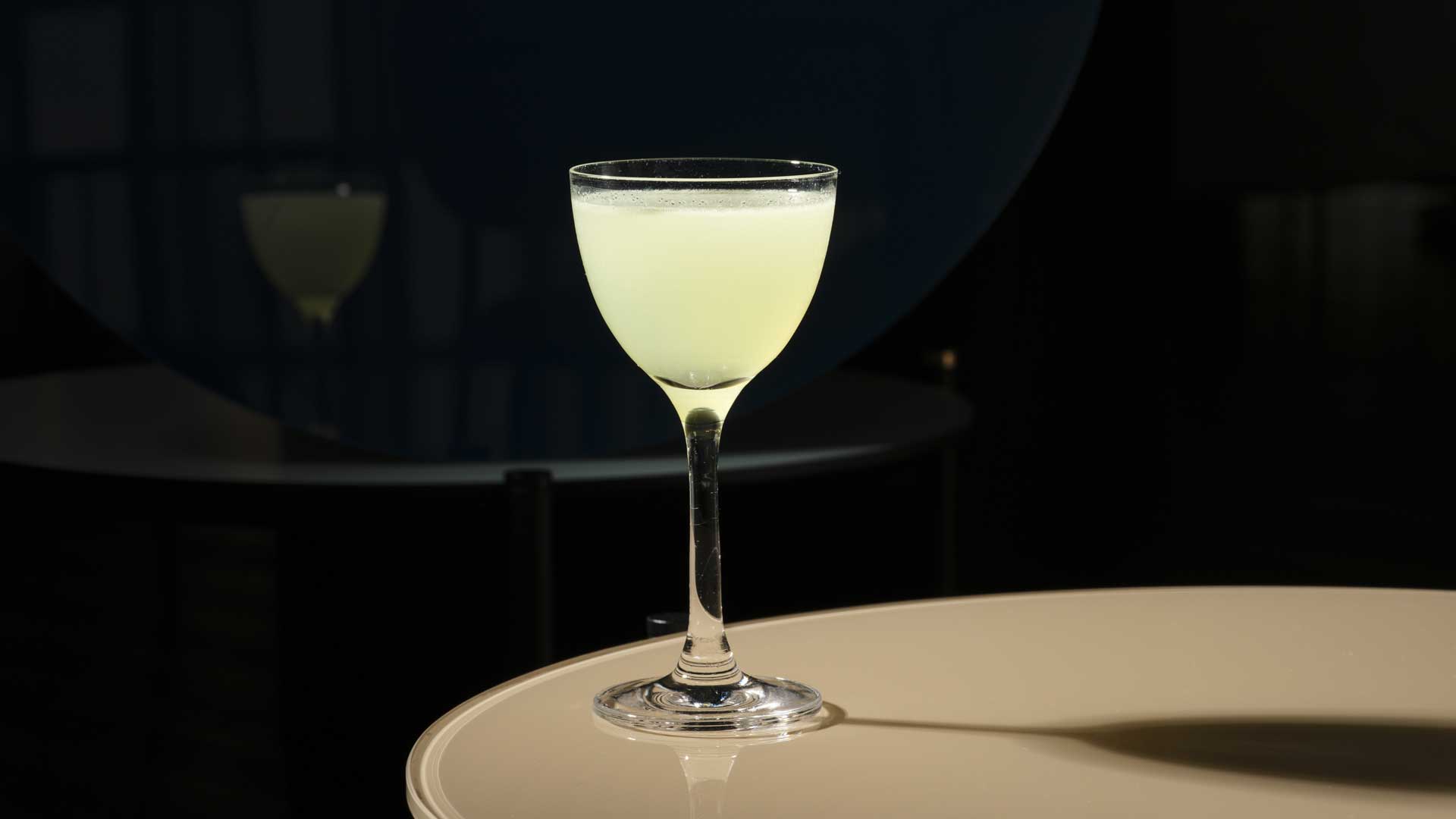
In the dark years of Prohibition, when drinking alcohol was a crime and bars survived through secrecy and subterfuge, the Detroit Athletic Club made a bold, counter-current choice. It was in this context that the Last Word was born, the most expensive signature drink on the menu.
The Prohibition Era
In the United States during Prohibition (1920–1933), selling, producing, and transporting alcohol were illegal. Still, plenty of people wanted to drink. The risk of running afoul of the law mattered less than the desire to raise a glass. Often badly — sometimes very badly — but to drink nonetheless. Bars adapted: they went underground and poured dubious stuff. Not all of them. Among those who chose to say no stood the eminently respectable Detroit Athletic Club (DAC), where standards did not collapse.
The Detroit Athletic Club’s Countercultural Model
Elsewhere, ingenuity went into hiding bottles should the police burst in: camouflaged doors, flip-down shelves, secret cellars, hidden niches, escape routes. In extreme cases, a discreet bribe. At the DAC, the tune was different because management dealt in nuance. They presented themselves as an elite club, complete with membership cards. And because members were very affluent, many kept private stocks of bottles, often purchased before 1920 and therefore outside the new restrictions. The DAC, for its part, stored them as a courtesy. Technically, it didn’t sell alcohol; it provided glassware, ice, shakers, and a place to talk.
Last Word, the Most Expensive Drink
Which is how, throughout Prohibition, one could discreetly order a house signature. It was the most expensive item on the menu: thirty-five cents at the time. It’s called the Last Word, and its authorship is hazy. Many researchers point to Frank Fogarty, an Irish-American vaudeville performer known as “the Minstrel of Dublin.” Either he truly invented it around 1915, or he tasted it at the DAC in those same years, fell for it, and spread its fame nationwide on tour.
The Last Word Recipe
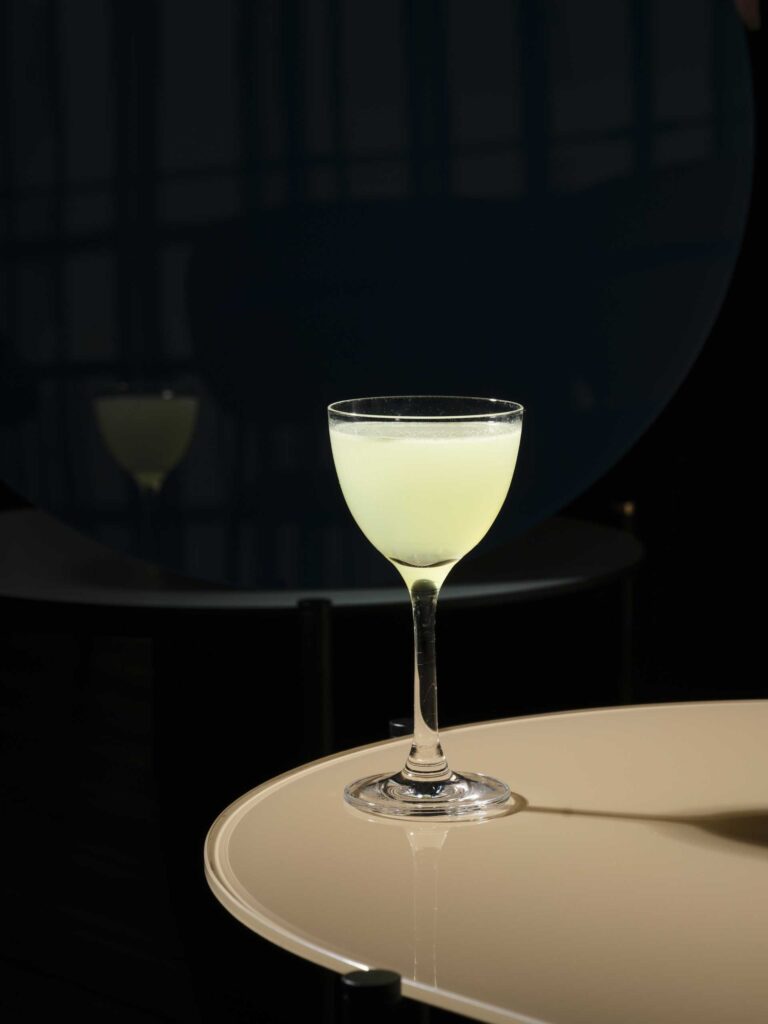
Ingredients
- 22,5 ml Dry Gin
- 22,5 ml Maraschino
- 22,5 ml French Herbal Liqueur
- 22,5 ml Fresh Lime Juice
Method
Shake and strain into a coupe.
Garnish
None.
The article first appeared on Coqtail – for fine drinkers. Order your copy here
Photo by Alberto Blasetti, location Piano35, Torino