
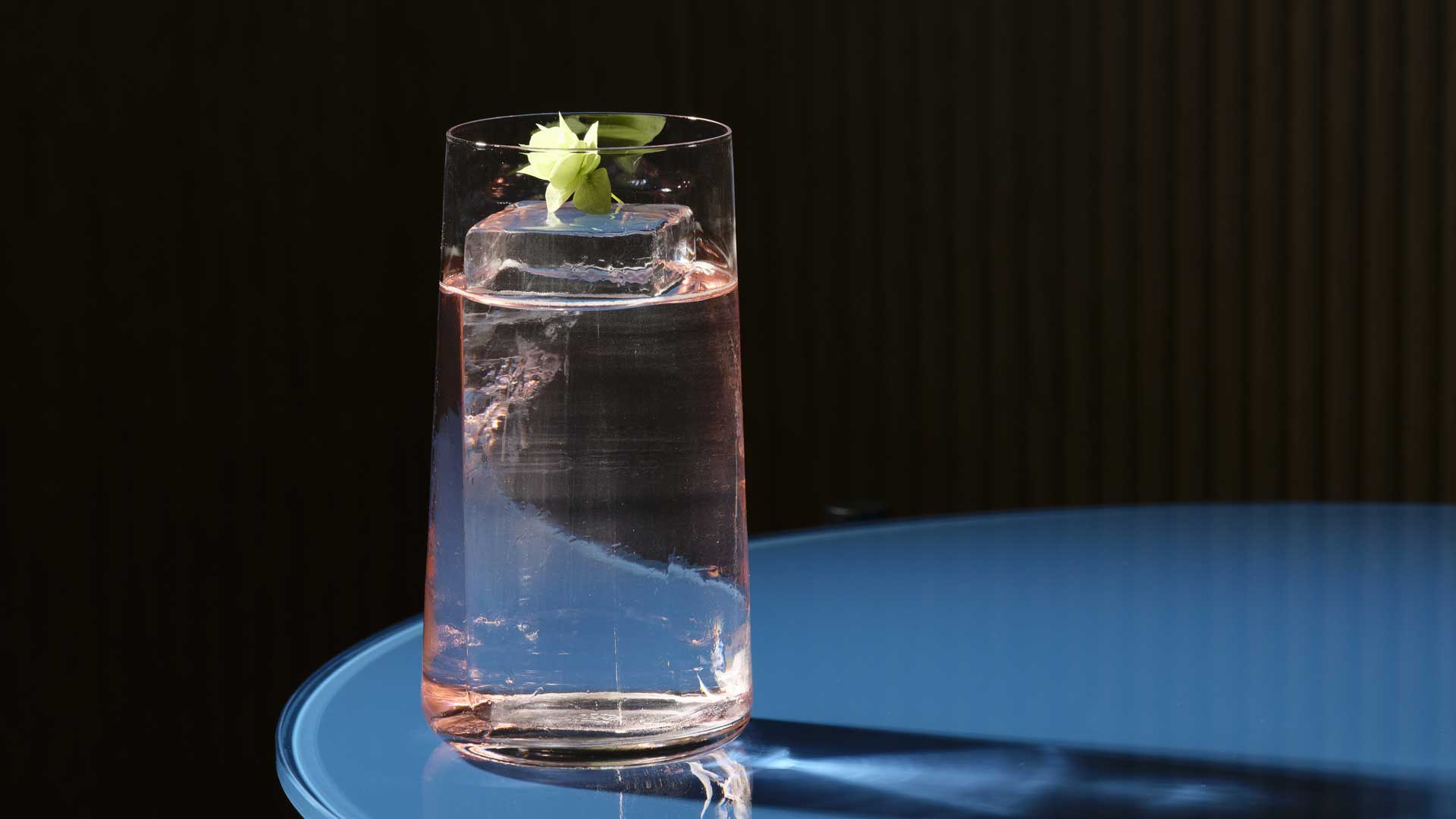
Behind the growing demand for non-alcoholic cocktails lies a little-discussed issue that betrays their spirit: preservatives. The growth of the no-alcohol market in recent years has been strikingly rapid, and the same goes for the mixology products created for it. What until recently was seen as a niche segment, tied to occasional needs or moral motivations, is now a structural part of the bar world’s offering.
The No-Alcohol Market and the New Language of Mindful Drinking
The audience has changed, and so has the language of drinking. Consumers are asking for less alcohol and more aromatic complexity, less excess and more awareness. The result is global expansion: estimates suggest that the segment of non-alcoholic products for mixing can continue to grow in the short term, driven by a new generation of guests focused on health, lightness, and calorie control, yet unwilling to give up pleasure.
In this scenario, perceptions of the non-alcoholic cocktail have changed as well. No longer the refuge of the designated driver or the pregnant woman, it has become a field for technical experimentation, where the bartender can work under the same rules as high mixology, shaping texture, acidity, botanicals, and flavor construction.
Preservatives: The Dark Side of the No-Alcohol Market
However, this seemingly virtuous revolution hides a blind spot many overlook: preservatives. Stability is in fact the real Achilles’ heel of non-alcoholic products. In traditional spirits, alcohol plays a crucial role: it prevents the development of molds, yeasts, and bacteria, ensuring shelf life over time. Its absence forces producers of zero-percent beverages to use alternative methods to guarantee safety and preservation.
The Preservatives Paradox
And here the other face of the no-alcohol movement emerges: a large share of bottles on the market contains additives such as potassium sorbate or dimethyl dicarbonate — preservatives that provide a commercial life of several months even after opening, yet contradict the natural, health-forward image under which these labels are presented. Public awareness remains low, and marketing seldom flags it; yet anyone can check: in Europe, labels for non-alcoholic drinks must list ingredients. A careful glance at the back label reveals that almost all bar-use products rely on these additives to survive, open, on the back bar at room temperature. The paradox is clear, in trying to imitate classic use, alcoholfree distillates end up adopting industrial practices that betray their original spirit.
Solutions are Here
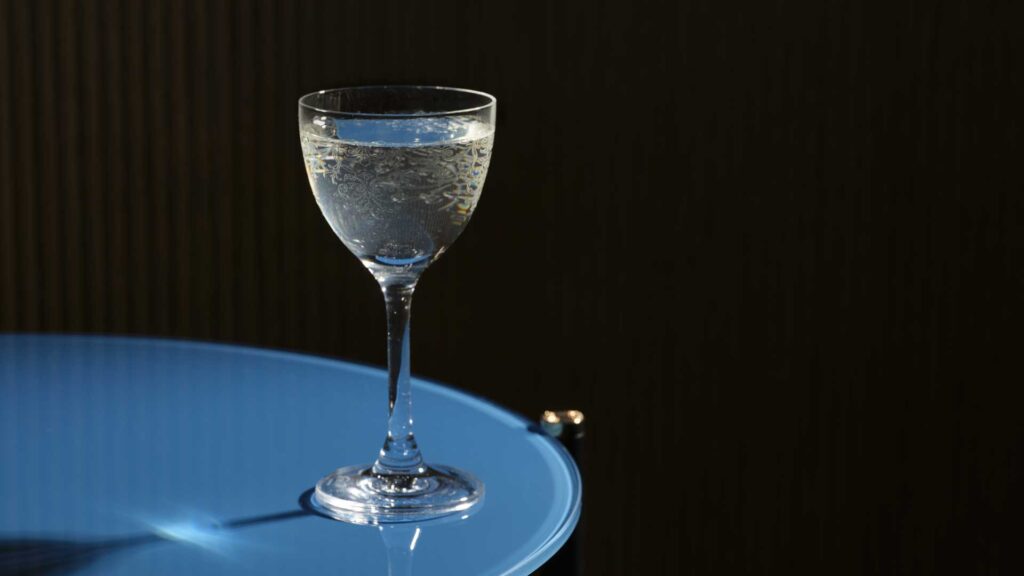
If this is the limit, solutions do exist — but they require a change of paradigm. The mistake is trying to reproduce the traditional bar model with opened bottles, long shelf life, ambient storage. A truly preservative-free non-alcoholic cocktail must operate under different rules. Small quantities, constant rotation, rapid service. The product does not need to last months, but hours. The workflow should resemble a kitchen more than a distillery.
Accepting Brevity
The first step is to embrace brevity: reduce prep volumes, work only with fresh bases and daily infusions, keep everything refrigerated, and replace large bottles with small formats. In this way the beverage stays alive without chemical defenses.
Carbonation
The second route is pressure, carbonation — as natural soft drinks have long shown — is an effective protective system, especially when paired with immediate consumption. A non-alcoholic cocktail served the moment it is mixed, or a drink sealed in single-serve format, can maintain integrity and safety without additives.
Alcoholic Concentration
Concentration offers a third path, and the conversation turns to technique. There are distillates with extremely high aromatic concentration whose alcoholic dosage in mixing can be drastically reduced — down to thresholds below 0.5 percent, i.e., legally nonalcoholic — achieving full flavor without the stability problems typical of products entirely free of ethanol. Call it a compromise, yet a pragmatic way through the impasse — one that preserves flavor and identity.
The Price of Authenticity in the No-Alcohol Market
The question shifts from eliminating preservatives to embracing the consequences of that choice: more work, more waste, stricter discipline, shorter shelf life. A preservative-free, non-alcoholic bar operates as a closed, swift, delicate, and transparent system. And in that delicacy may lie its strength, a path back to authenticity for a market that, in chasing purity, has often drifted toward the artificial.
The article first appeared on Coqtail – for fine drinkers. Order your copy here
Images courtesy of Alberto Blasetti, location Piano 35, Torino. All rights reserved